Question 1:
A steady red “X” light above the pavement means:
A
Do not drive in this lane.
B
This lane can only be used for a left turn.
C
Move from this lane.
D
This lane can only be used for a right turn.
The correct driving rule is: Do not drive in this lane. Following standard DMV road rules and practicing defensive driving ensures safety for all road users.
Question 2:
A flashing yellow 'X' light above the pavement means:
A
This lane can only be used for a left turn.
B
You can use this lane only if you need to turn right.
C
This is a reversed lane. Drive with caution.
D
None of the above.
The correct driving rule is: This lane can only be used for a left turn. Following standard DMV road rules and practicing defensive driving ensures safety for all road users.
Question 3:
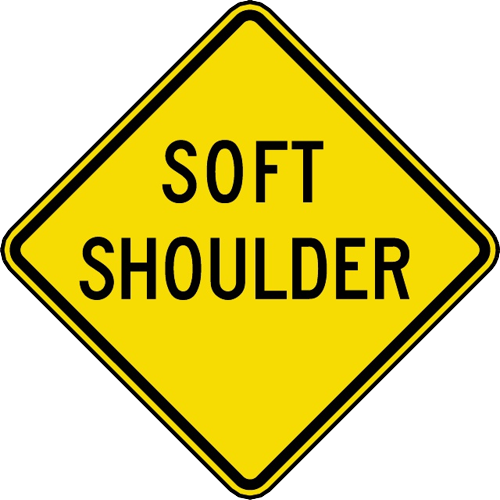 What does this ‘Soft Shoulder’ sign indicate?
A
The dirt on the side of the road is soft.
B
Drivers should leave the pavement immediately.
C
Drive on the shoulder if you have soft tyres.
D
None of the above.
The correct driving rule is: The dirt on the side of the road is soft. Following standard DMV road rules and practicing defensive driving ensures safety for all road users.
Question 4:
When children are close, what should you do before you back out of a driveway?
A
Rely on your mirrors.
B
Get out of the car and check behind the car.
C
Look through your back window for children.
The correct driving rule is: Get out of the car and check behind the car. Following standard DMV road rules and practicing defensive driving ensures safety for all road users.
Question 5:
Under the New York State occupant restraint law:
A
seat belt use is required in taxis and emergency vehicles.
B
the driver is responsible for making sure that each passenger under 16 are buckled up when required.
C
if a vehicle is driven by a person with a Class-DJ learner permit, passengers 16 or older in must wear a seat belt.
D
None of the above.
The correct driving rule is: the driver is responsible for making sure that each passenger under 16 are buckled up when required. Following standard DMV road rules and practicing defensive driving ensures safety for all road users.
Question 6:
Why must all vehicle occupants wear seat belts on every trip?
A
Seat belts reduce the risk of serious injury or death in a crash by approximately 50%
B
They prevent occupants from being ejected from the vehicle
C
They keep the driver positioned behind the steering controls during emergency maneuvers
D
All of the above
Seat belts keep occupants inside the vehicle, prevent striking interior surfaces, and keep drivers in control during sudden crashes.
Question 7:
What equipment must a bicycle have when used at night?
A
A headlight and a red taillight.
B
Pedal reflectors and a horn.
C
Reflective tires and a wide-angle rear reflector.
D
Adequate brakes and a horn.
State laws require motorists to provide a safe clearance buffer: A headlight and a red taillight. Allow at least 3 feet of space when overtaking a bicyclist.
Question 8:
Two drivers reach an uncontrolled intersection at the same time. Who has the right of way?
A
The driver on the left.
B
No one.
C
The driver on the right.
At an uncontrolled intersection or 4-way stop where vehicles arrive at the same time: The driver on the right. The driver on the left must always yield to the driver on the right.
Question 9:
What is the purpose of minimum speed limits?
A
To keep a smooth traffic flow.
B
To halt the traffic flow.
C
To allow emergency vehicles with red flashing lights to safely pass other vehicles.
For safe speed and stopping control: To keep a smooth traffic flow. Adjusting speed to match visibility and road traction prevents loss of steering grip.
Question 10:
When you prepare to make a left turn from a one-way road into a two-way road, you must:
A
enter the two-way road to the left of its center line.
B
approach the turn in the right lane or from the right side of a single lane.
C
approach the turn in the left lane or from the left side of a single lane.
The correct driving rule is: approach the turn in the left lane or from the left side of a single lane. Following standard DMV road rules and practicing defensive driving ensures safety for all road users.
Question 11:
To drive defensively, you must:
A
avoid scanning the road ahead.
B
keep one hand on the steering wheel.
C
keep your eyes moving.
The correct driving rule is: keep your eyes moving. Following standard DMV road rules and practicing defensive driving ensures safety for all road users.
Question 12:
Under child safety seat laws in most states, infants and young toddlers must ride in a rear-facing car seat until at least:
A
Age 2 (or until reaching the car seat's height/weight limit)
B
6 months of age
C
Age 6
D
Age 10
Safety guidelines and state laws recommend or require keeping children in rear-facing child restraint seats until at least age 2.
Question 13:
What is the first thing you should do if your wheels move off the pavement?
A
Pull the steering wheel back.
B
Pull over to the right and sound your horn to warn the other drivers.
C
Ease your foot off the gas pedal and brake gently.
The correct driving rule is: Ease your foot off the gas pedal and brake gently. Following standard DMV road rules and practicing defensive driving ensures safety for all road users.
Question 14:
Which of the following is a defensive driving skill/technique?
A
Maintain the correct speed.
B
Do not drive if you are very weary.
C
All of the above.
All of the listed points are essential driving requirements: Maintain the correct speed; Do not drive if you are very weary. Practicing each ensures compliance with DMV safety laws.
Question 15:
In New York State, leaving the scene of a traffic crash that involves property damage is:
A
a traffic violation.
B
required by law. Not leaving the scene will result in a license suspension.
C
recommended to allow law enforcement officers and rescue personnel to do their job.
D
a criminal violation.
The correct driving rule is: a traffic violation. Following standard DMV road rules and practicing defensive driving ensures safety for all road users.
Question 16:
What is a 'Center Left-Turn Lane' (two-way left turn lane marked with inner broken and outer solid yellow lines) used for?
A
High-speed passing of slow vehicles
B
Making left turns or U-turns only, not for passing or through travel
C
Emergency stopping and parking
D
Bicycle riding only
Center left-turn lanes are reserved exclusively for beginning or completing left turns and legal U-turns. Traveling in them as a through lane is illegal.
Question 17:
During the first 10 to 15 minutes of rainfall after a dry spell, roads are most slippery because:
A
Oil, grease, and dust mix with water before washing away
B
Tire rubber melts onto the asphalt
C
Water accumulates in deep puddles immediately
D
Brake pads become permanently wet
At the start of rain, accumulated motor oils and road dust rise to the surface, creating a slick film before being washed away.
Question 18:
Are drivers allowed to exceed the speed limit to pass other vehicles?
A
Yes, but only by 10 MPH or less.
B
No.
C
Yes, but only if they drive with caution.
For safe speed and stopping control: No. Adjusting speed to match visibility and road traction prevents loss of steering grip.
Question 19:
In case of skidding, drivers should NOT:
A
take their foot off the gas pedal.
B
pump the brakes gently if they are about to hit something.
C
tap the gas pedal with their foot.
The correct driving rule is: tap the gas pedal with their foot. Following standard DMV road rules and practicing defensive driving ensures safety for all road users.
Question 20:
At a stop sign there is no stop line or crosswalk. You must stop:
A
before you enter the intersection.
B
at the next crosswalk.
C
after you enter the intersection, if you have a clear view of traffic on the intersecting roadway.
Drivers must always yield the right-of-way to pedestrians crossing at intersections and crosswalks: before you enter the intersection. Stop and allow them to clear the lane safely.
Question 21:
You hear a siren close by but can not see where the emergency vehicle is. What do you do?
A
Keep driving until you are sure the emergency vehicle is headed toward you.
B
Stop immediately and activate your emergency flashers.
C
Pull over to the right side of the road and stop until you are sure the emergency vehicle is not headed toward you.
When sharing the road with other vehicles: pull over to the right side of the road and stop until you are sure the emergency vehicle is not headed toward you. Giving large vehicles and vulnerable users adequate clearance prevents dangerous accidents.
Question 22:
Gauging the speed of a motorcycle may be difficult because:
A
motorcycles take up less of your field of vision.
B
motorcycles often slow down by downshifting.
C
many motorcyclists do not activate the brake light.
For safe speed and stopping control: motorcycles take up less of your field of vision. Adjusting speed to match visibility and road traction prevents loss of steering grip.
Question 23:
If your car goes into water, you should:
A
wait for water to rush in and let it out in small breaths through your nose.
B
call the fire department immediately.
C
remove yourself before it starts to sink.
The correct driving rule is: remove yourself before it starts to sink. Following standard DMV road rules and practicing defensive driving ensures safety for all road users.
Question 24:
New York State occupant restraint law:
A
is meant to restrain the use of seat belts.
B
also applies to visitors from outside New York State.
C
applies to New York State residents only.
D
applies to passengers 16 years or older.
The correct driving rule is: also applies to visitors from outside New York State. Following standard DMV road rules and practicing defensive driving ensures safety for all road users.
Question 25:
If another vehicle passes you on the left, you must:
A
increase your speed slightly and keep to the right.
B
decrease your speed, then pull over to the right and stop.
C
decrease your speed slightly and keep to the right.
The correct driving rule is: decrease your speed slightly and keep to the right. Following standard DMV road rules and practicing defensive driving ensures safety for all road users.
Question 26:
You face a green light, but traffic on the other side of the intersection does not allow you to travel all the way through the intersection. What must you do?
A
Enter the intersection and wait until traffic ahead clears.
B
Wait for the next green light.
C
Wait until traffic ahead clears, so you do not block the intersection.
According to standard right-of-way regulations: wait until traffic ahead clears, so you do not block the intersection. Yielding appropriately prevents intersection collisions and maintains safe traffic flow.
Question 27:
Which of the following is NOT true about ABS?
A
It improves the vehicle stability.
B
It helps increase your stopping distance.
C
It improves the steering ability.
The correct driving rule is: it helps increase your stopping distance. Following standard DMV road rules and practicing defensive driving ensures safety for all road users.
Question 28:
To reduce their chances of colliding with an animal, drivers should:
A
scan the sides of the road to watch for the reflection of vehicle headlights in the eyes of animals.
B
look well down the road and far off to each side.
C
All of the above.
All of the listed points are essential driving requirements: scan the sides of the road to watch for the reflection of vehicle headlights in the eyes of animals; look well down the road and far off to each side. Practicing each ensures compliance with DMV safety laws.
Question 29:
Driving drunk with a conditional license is:
A
a bad habit.
B
a traffic infraction.
C
a misdemeanor.
D
a felony.
Under state DUI and traffic safety laws: a felony. Alcohol degrades judgment, slows reaction times, and distorts depth perception.
Question 30:
Examples of proper glass maintenance include:
A
Replacing worn wiper blades.
B
Keeping your windows clean and clear.
C
All of the above.
All of the listed points are essential driving requirements: Replacing worn wiper blades; Keeping your windows clean and clear. Practicing each ensures compliance with DMV safety laws.
Question 31:
Drivers with junior licenses who text while driving will receive a ___-day suspension for first convictions and revocations of _______ for subsequent convictions within six months of the time a license is restored after suspension.
A
90; 6 months
B
60; 60 days
C
60; 6 months
D
30; 60 days
The correct driving rule is: 60; 60 days. Following standard DMV road rules and practicing defensive driving ensures safety for all road users.
Question 32:
For better visibility during rain, fog or snow, use:
A
high beam headlights.
B
emergency flashers.
C
low beam headlights.
D
daytime lights.
Always use low-beam headlights in fog, heavy rain, or snow. High beams reflect off moisture droplets and bounce glare back into your eyes.
Question 33:
What should you do if your vision through the windshield becomes blocked?
A
Pull your vehicle off the road and park it.
B
Turn on your emergency lights.
C
Open the side window so you can see.
D
All of the above.
All of the listed points are essential driving requirements: Pull your vehicle off the road and park it; Turn on your emergency lights; Open the side window so you can see. Practicing each ensures compliance with DMV safety laws.
Question 34:
 This sign means:
A
The road will curve to the right.
B
Left turns are not allowed at the intersection.
C
Do not turn right.
This traffic sign indicates: The road will curve to the right. Observing and obeying all roadway signs ensures safe traffic flow and legal driving.
Question 35:
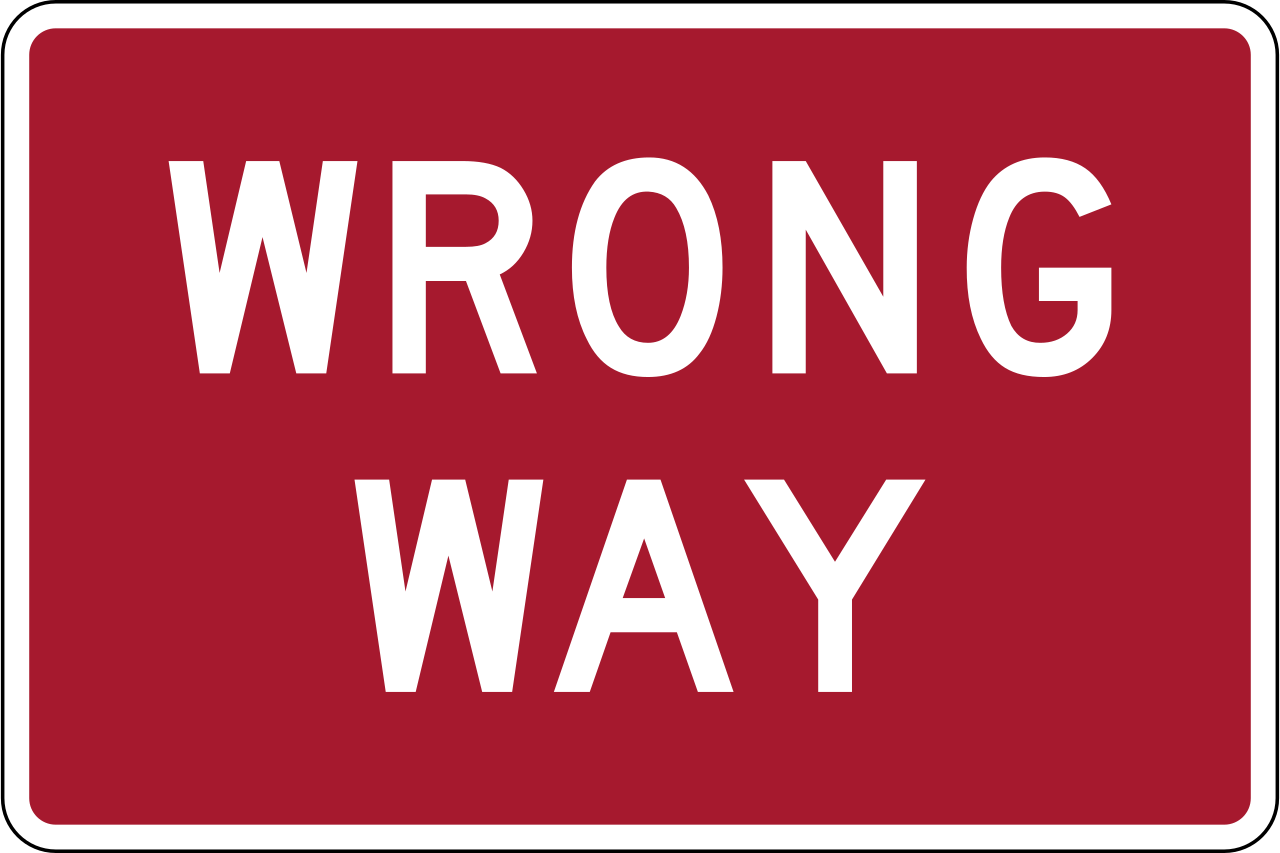 When drivers see this road sign:
A
they must come to a complete stop and call the police.
B
they must not drive past this sign.
C
they must turn around immediately.
This traffic sign indicates: they must turn around immediately. Observing and obeying all roadway signs ensures safe traffic flow and legal driving.
Question 36:
Unless otherwise posted, the speed limit in New York City is __ MPH.
A
55
B
25
C
30
D
35
For safe speed and stopping control: 25. Adjusting speed to match visibility and road traction prevents loss of steering grip.
Question 37:
BAC is expressed in:
A
percentage of alcohol to blood.
B
percentage of blood to alcohol.
C
ounces of alcohol in your blood.
Under state DUI and traffic safety laws: percentage of alcohol to blood. Alcohol degrades judgment, slows reaction times, and distorts depth perception.
Question 38:
When entering a public roadway from a private driveway, alley, or parking lot, you must:
A
Honk and proceed quickly
B
Yield to all approaching vehicles and pedestrians on the sidewalk and street
C
Yield only to traffic approaching from the left
D
Expect approaching traffic to yield to you
Vehicles entering from a private driveway, alley, or private property must yield to all sidewalk pedestrians and roadway traffic.
Question 39:
If the entrance lane is too short to allow acceleration to highway speed, you should:
A
go to the next entrance ramp.
B
stop and wait for a large gap in traffic, then enter the highway and accelerate quickly.
C
merge into highway traffic as soon as possible.
For safe speed and stopping control: stop and wait for a large gap in traffic, then enter the highway and accelerate quickly. Adjusting speed to match visibility and road traction prevents loss of steering grip.
Question 40:
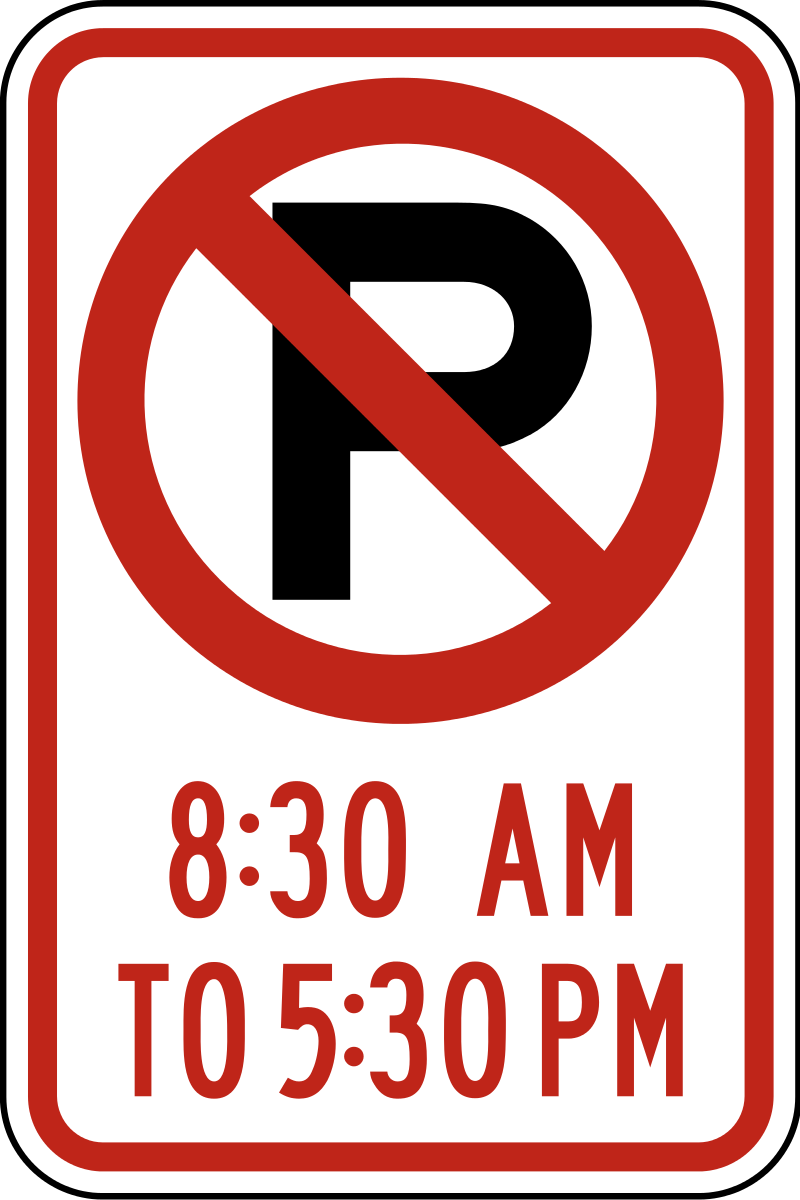 This sign means:
A
You can only park between 8:30 AM and 5:30 PM.
B
Parking is not allowed at 8:30 AM and at 5:30 PM
C
No parking between 8:30 AM and 5:30 PM.
This traffic sign indicates: No parking between 8:30 AM and 5:30 PM. Observing and obeying all roadway signs ensures safe traffic flow and legal driving.
Question 41:
You are driving at 50 MPH on a slippery expressway. The posted speed limit is 55 MPH. A police officer could ticket you for:
A
driving below the speed limit.
B
a speed “not reasonable” for the conditions.
C
driving on a slippery road.
D
None of the above.
For safe speed and stopping control: a speed “not reasonable” for the conditions. Adjusting speed to match visibility and road traction prevents loss of steering grip.
Question 42:
___________ normally are white rectangles with black letters or symbols.
A
Warning signs
B
Destination signs (guide signs)
C
Regulation signs (regulatory signs)
The correct driving rule is: Regulation signs (regulatory signs). Following standard DMV road rules and practicing defensive driving ensures safety for all road users.
Question 43:
You are convicted of Driving While Ability Impaired as a first offense. Which of the following potential consequences do you face?
A
up to 15 days in jail.
B
90-day suspension.
C
a fine of between $300 and $500.
D
All of the above.
All of the listed points are essential driving requirements: up to 15 days in jail; 90-day suspension; a fine of between $300 and $500. Practicing each ensures compliance with DMV safety laws.
Question 44:
Low beam headlights must be turned on:
A
when driving between sunset and sunrise.
B
during the twilight hours between full night and sunrise.
C
during any rain, fog or smoke.
D
All of the above.
All of the listed points are essential driving requirements: when driving between sunset and sunrise; during the twilight hours between full night and sunrise; during any rain, fog or smoke. Practicing each ensures compliance with DMV safety laws.
Question 45:
Vehicles must be inspected for maintenance and safety:
A
at least once a year.
B
at least twice a year.
C
not less than 3 times a year.
D
at least once every 18 months.
The correct driving rule is: at least once a year. Following standard DMV road rules and practicing defensive driving ensures safety for all road users.
Question 46:
If the traffic lights are out of service when you approach an intersection, you:
A
must continue according to the rules of right-of-way.
B
must slow down and yield to oncoming traffic and pedestrians.
C
must come to a stop as you would for a stop sign.
D
must proceed with caution.
According to standard right-of-way regulations: must come to a stop as you would for a stop sign. Yielding appropriately prevents intersection collisions and maintains safe traffic flow.
Question 47:
If you are blinded by headlights on an approaching vehicle, you should:
A
avoid looking directly at the bright lights.
B
glance toward the side of the road, then look quickly ahead to determine the other vehicle’s position.
C
All of the above.
All of the listed points are essential driving requirements: avoid looking directly at the bright lights; glance toward the side of the road, then look quickly ahead to determine the other vehicle’s position. Practicing each ensures compliance with DMV safety laws.
Question 48:
Drivers often fail to see a motorcycle headed toward them. Why?
A
It is difficult to judge a motorcycle's speed.
B
Motorcycles are hard to see.
C
All of the above.
Sharing the road safely requires mutual awareness and respect: It is difficult to judge a motorcycle's speed; Motorcycles are hard to see. Maintaining safe space cushions protects all roadway users.
Question 49:
Parking is not allowed within __ feet of a traffic light, STOP sign or YIELD sign.
A
50
B
10
C
30
D
20
Under standard parking and curb regulations: 30. Following parking distance clearances keeps roadways unobstructed and emergency lanes accessible.
Question 50:
Driving within the range of your headlights indicates you can stop your vehicle within about how many feet?
A
100
B
350
C
500
D
625
The correct driving rule is: 350. Following standard DMV road rules and practicing defensive driving ensures safety for all road users.