Question 1:
An upside-down triangular red-and-white traffic sign means:
A
Yield the right-of-way to other traffic and pedestrians
B
No passing zone
C
Merge into one lane
D
Dead end ahead
An inverted equilateral triangle always designates a Yield sign, instructing you to slow down and give way to cross traffic.
Question 2:
Trucks and buses may need more space to make a right-hand turn.
A
False
B
True
The correct driving rule is: True. Following standard DMV road rules and practicing defensive driving ensures safety for all road users.
Question 3:
If cars approaching from opposite directions reach an intersection at the same time:
A
a car that moves straight must yield to cars that turn left.
B
a car that turns left must yield to cars that move straight or turn right.
C
a car that turns right must yield to cars that move straight or turn left.
According to standard right-of-way regulations: a car that turns left must yield to cars that move straight or turn right. Yielding appropriately prevents intersection collisions and maintains safe traffic flow.
Question 4:
It is permissible to make a right turn against a red signal light after stopping and yielding to other vehicles and pedestrians.
A
False
B
True
State laws require signaling your intention: True. Signal at least 100 feet before making a turn or changing lanes.
Question 5:
Unless otherwise posted, the speed limit in rural areas is:
A
70 MPH.
B
55 MPH.
C
65 MPH.
For safe speed and stopping control: 55 MPH. Adjusting speed to match visibility and road traction prevents loss of steering grip.
Question 6:
 This sign means:
A
divided highway ahead.
B
narrow bridge ahead.
C
road construction.
D
lane ends, merge left.
This traffic sign indicates: lane ends, merge left. Observing and obeying all roadway signs ensures safe traffic flow and legal driving.
Question 7:
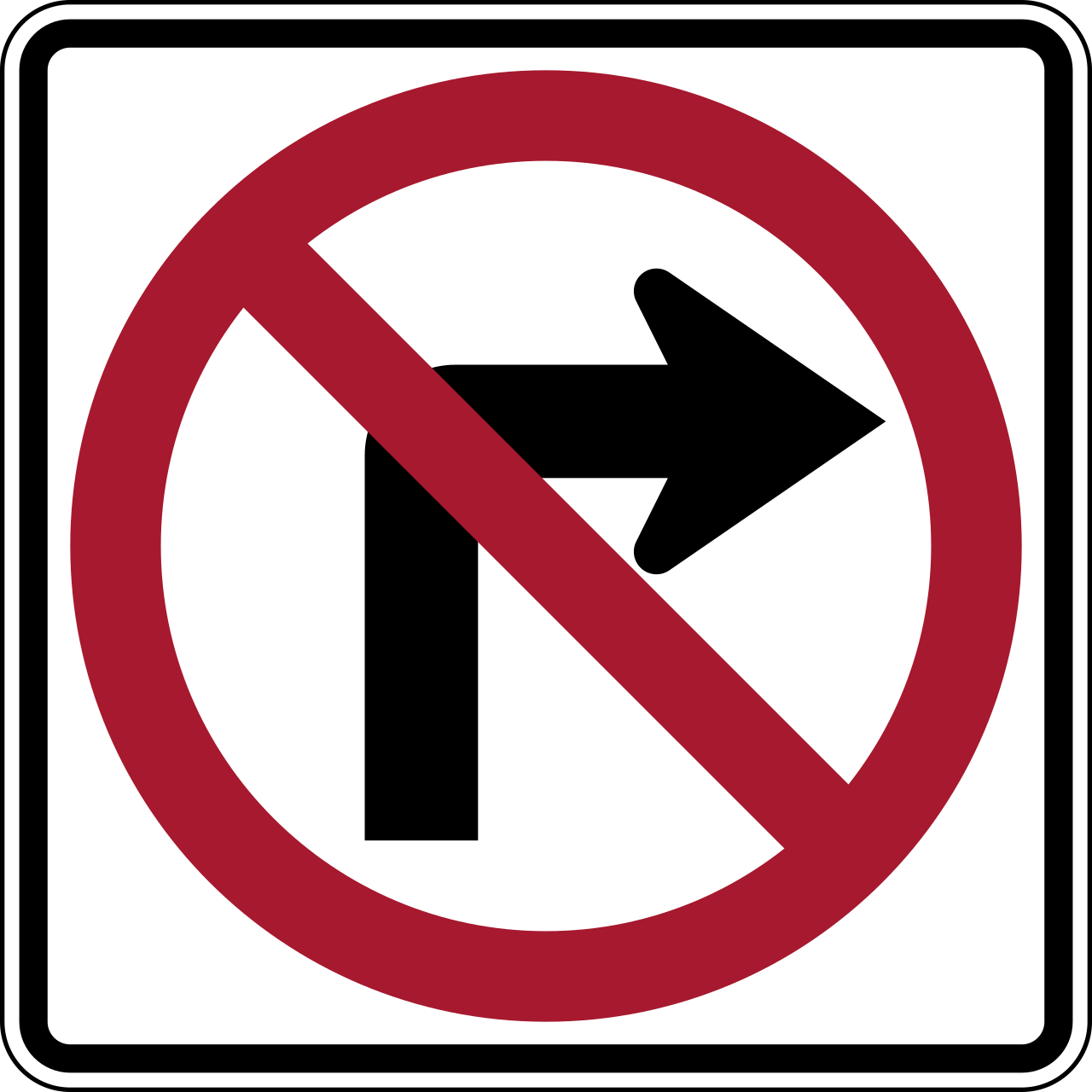 This road sign means:
A
Right turn permitted on red light
B
Drivers must turn right
C
No U-turns
D
No right turn permitted
This traffic sign indicates: No right turn permitted. Observing and obeying all roadway signs ensures safe traffic flow and legal driving.
Question 8:
A merge sign means drivers should be prepared to change lanes or allow other traffic to come into their lane.
A
False
B
True
Diamond-shaped yellow warning signs alert drivers to upcoming roadway hazards: True. Adjusting speed in advance prevents skids and loss of control.
Question 9:
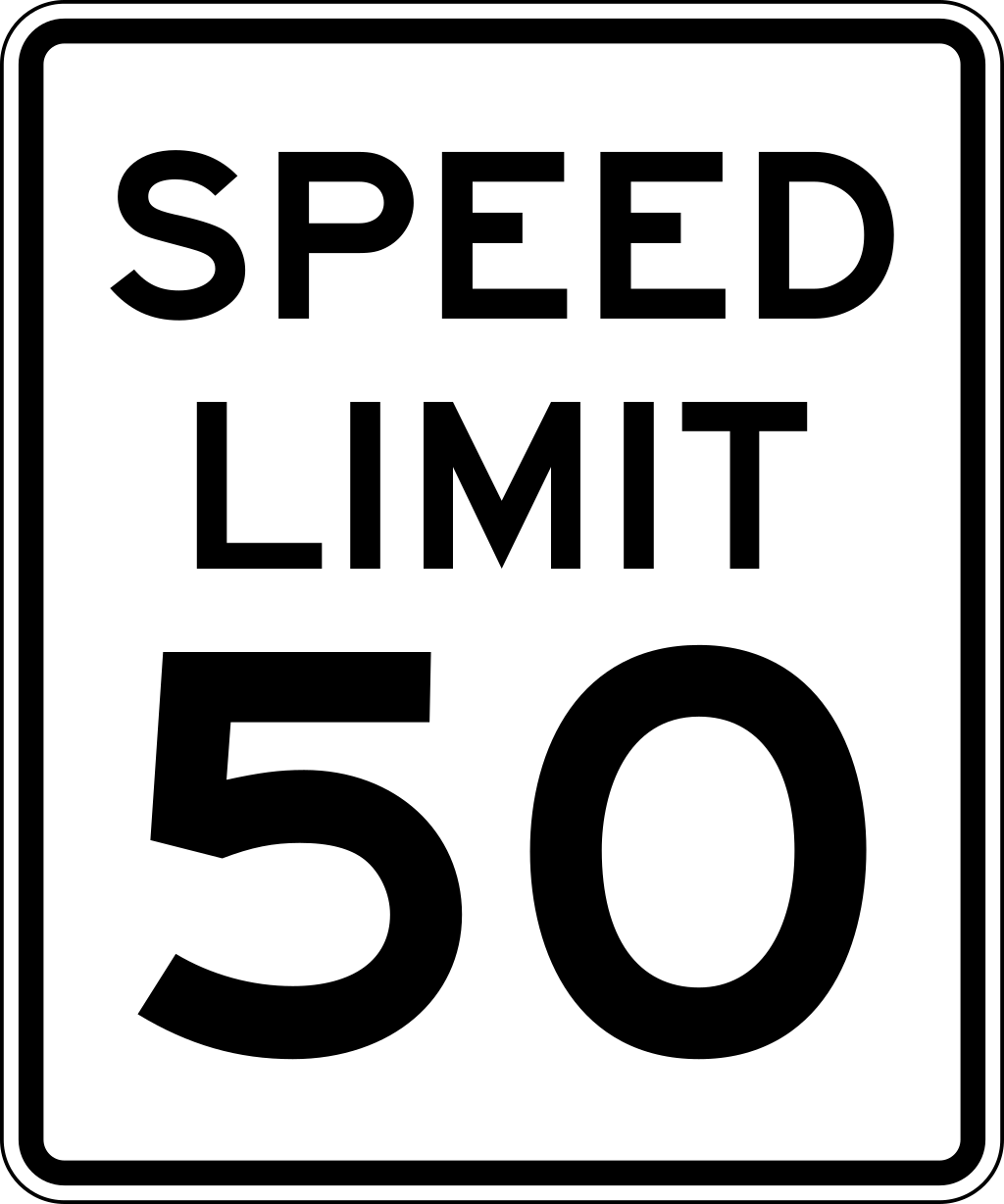 This road sign means:
A
You must travel at the speed indicated
B
The maximum speed limit under ideal conditions
C
None of the above
This traffic sign indicates: The maximum speed limit under ideal conditions. Observing and obeying all roadway signs ensures safe traffic flow and legal driving.
Question 10:
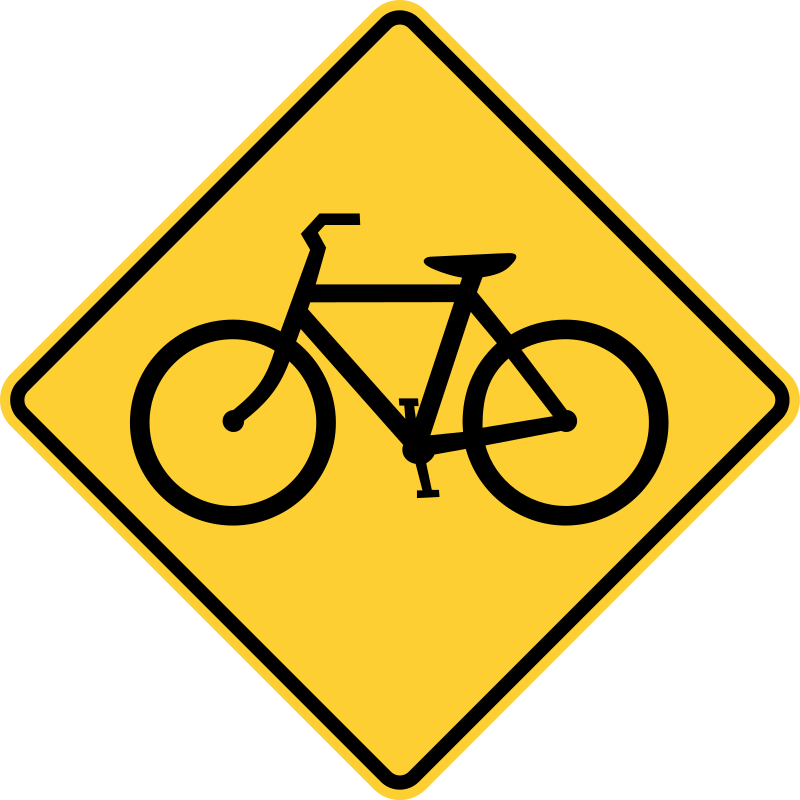 This road sign means:
A
Watch for bicycles
B
Bicycle parking ahead
C
Bicycles are not allowed in this area
This traffic sign indicates: watch for bicycles. Observing and obeying all roadway signs ensures safe traffic flow and legal driving.
Question 11:
 The yield sign means:
A
Drive with caution in wet weather.
B
You must come to a complete stop.
C
Slow down and give vehicles crossing your path the right-of-way.
A triangular Yield sign requires drivers to slow down and give right-of-way to other traffic: slow down and give vehicles crossing your path the right-of-way. Proceed only when there is a safe opening.
Question 12:
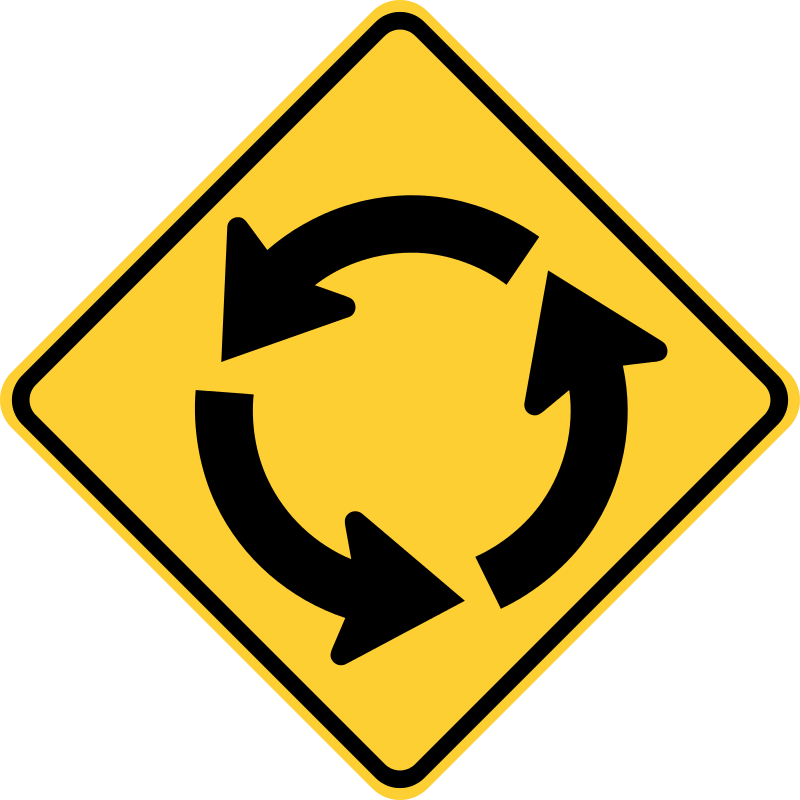 This road sign:
A
warns drivers of a sharp turn left. Drivers should slow their speed and keep to the left.
B
provides an advance notice of a roundabout.
C
warns drivers that U-turns are not permitted.
D
is a no-right-turns sign.
This traffic sign indicates: provides an advance notice of a roundabout. Observing and obeying all roadway signs ensures safe traffic flow and legal driving.
Question 13:
Regulatory signs:
A
are diamond shaped and yellow or green.
B
warn drivers about road hazards.
C
provide information about the road rules and traffic laws.
D
regulate the flow of traffic at school zone.
The correct driving rule is: provide information about the road rules and traffic laws. Following standard DMV road rules and practicing defensive driving ensures safety for all road users.
Question 14:
On slippery roads, drivers should:
A
leave more space in front of their vehicle.
B
increase their speed to avoid hydroplaning.
C
come to a complete stop.
For safe speed and stopping control: leave more space in front of their vehicle. Adjusting speed to match visibility and road traction prevents loss of steering grip.
Question 15:
If you are blinded by headlights on an approaching vehicle, you should:
A
avoid looking directly at the bright lights.
B
glance toward the side of the road, then look quickly ahead to determine the other vehicle’s position.
C
All of the above.
All of the listed points are essential driving requirements: avoid looking directly at the bright lights; glance toward the side of the road, then look quickly ahead to determine the other vehicle’s position. Practicing each ensures compliance with DMV safety laws.
Question 16:
This road sign means:
A
Slow down and be prepared to stop if necessary
B
You must come to a complete stop
C
You may proceed at regular speed through the intersection
D
Wrong Way
This traffic sign indicates: slow down and be prepared to stop if necessary. Observing and obeying all roadway signs ensures safe traffic flow and legal driving.
Question 17:
 This road sign means:
A
Slow moving vehicle
B
Traffic Signal Ahead
C
Construction zone
This traffic sign indicates: slow moving vehicle. Observing and obeying all roadway signs ensures safe traffic flow and legal driving.
Question 18:
 What should drivers do when they see this road sign?
A
come to a complete stop and wait for a train to cross.
B
slow down, look for a train, and be prepared to stop.
C
look for a human flagger.
This traffic sign indicates: slow down, look for a train, and be prepared to stop. Observing and obeying all roadway signs ensures safe traffic flow and legal driving.
Question 19:
A driver must yield the right of way even after the light turns green when there are vehicles in the intersection.
A
True
B
False
According to standard right-of-way regulations: True. Yielding appropriately prevents intersection collisions and maintains safe traffic flow.
Question 20:
Aggressive driving includes:
A
quick lane changes without a signal.
B
chasing or challenging other drivers.
C
All of the above.
All of the listed points are essential driving requirements: quick lane changes without a signal; chasing or challenging other drivers. Practicing each ensures compliance with DMV safety laws.
Question 21:
Within how many feet is a driver required to dim the headlights before meeting another vehicle?
A
400
B
500
C
250
The correct driving rule is: 500. Following standard DMV road rules and practicing defensive driving ensures safety for all road users.
Question 22:
It is illegal for any person under age 21 to operate e vehicle with any trace of alcohol or drugs in their system.
A
False
B
True
Under state DUI and traffic safety laws: True. Alcohol degrades judgment, slows reaction times, and distorts depth perception.
Question 23:
Alcohol:
A
makes drivers more prone to take chances.
B
increases reaction time.
C
All of the above.
Alcohol and impairing substances degrade all critical driving functions: makes drivers more prone to take chances; increases reaction time. Driving while impaired carries severe criminal and safety penalties.
Question 24:
Warning signs normally are:
A
rectangles.
B
triangles.
C
diamond-shaped.
The correct driving rule is: diamond-shaped. Following standard DMV road rules and practicing defensive driving ensures safety for all road users.
Question 25:
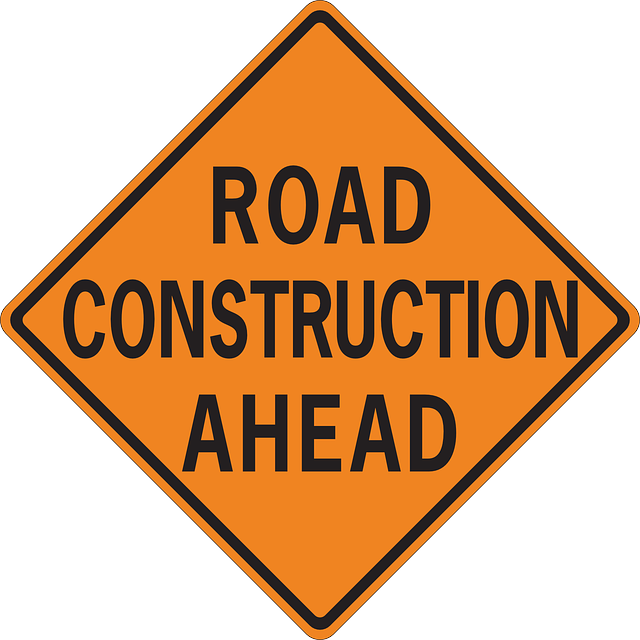 This road sign means:
A
No parking
B
Detour ahead
C
Road construction ahead
D
Stop
This traffic sign indicates: Road construction ahead. Observing and obeying all roadway signs ensures safe traffic flow and legal driving.
Question 26:
Regulatory signs are:
A
Suggestions
B
Warnings
C
Law
The correct driving rule is: Law. Following standard DMV road rules and practicing defensive driving ensures safety for all road users.
Question 27:
 When you see this sign you should:
A
turn right.
B
merge left.
C
watch for traffic to the right.
This traffic sign indicates: watch for traffic to the right. Observing and obeying all roadway signs ensures safe traffic flow and legal driving.
Question 28:
What does the 'Move Over Law' require you to do when approaching a stationary emergency or service vehicle on the roadside?
A
Honk your horn and maintain speed
B
Vacate the lane closest to the vehicle if safe, or slow down significantly
C
Stop completely on the highway lane
D
Turn on high beams to illuminate the workers
Move Over laws require drivers to move over at least one lane away from stopped emergency/utility vehicles with flashing lights, or reduce speed substantially if moving over is unsafe.
Question 29:
Left turns on a red light are allowed:
A
from a one-way street into a one-way street.
B
Never.
C
at intersections, after stopping, if the way is clear.
When turning left across traffic lanes: from a one-way street into a one-way street. You must yield to all oncoming vehicles and crossing pedestrians before completing the turn.
Question 30:
If you see a “lane closed ahead” sign you should:
A
make a U-turn. You are on the wrong side of the road.
B
merge into the correct lane when it is safe.
C
speed to the end of the closed lane and try to get into the other lane.
The correct driving rule is: merge into the correct lane when it is safe. Following standard DMV road rules and practicing defensive driving ensures safety for all road users.
Question 31:
Speed limit signs are:
A
service signs
B
regulation signs (regulatory signs)
C
warning signs
For safe speed and stopping control: regulation signs (regulatory signs). Adjusting speed to match visibility and road traction prevents loss of steering grip.
Question 32:
When on a two-lane roadway, drivers must stop their vehicles when approaching a stopped school bus with its red warning lights flashing and its stop signal arm extended.
A
True
B
False
When a school bus displays flashing red lights and extended stop sign: True. Traffic in both directions must come to a full stop on undivided roads until children are clear.
Question 33:
What should you do when an aggressive driver confronts you?
A
Avoid eye contact with the aggressive driver.
B
Make eye contact.
C
Challenge the aggressive driver with increased speed.
The correct driving rule is: avoid eye contact with the aggressive driver. Following standard DMV road rules and practicing defensive driving ensures safety for all road users.
Question 34:
Pink is used for:
A
Traffic incident signs.
B
Parks and recreation signs.
C
Guide signs
The correct driving rule is: traffic incident signs. Following standard DMV road rules and practicing defensive driving ensures safety for all road users.
Question 35:
Loads extending 4 feet or more to the rear of a vehicle must be marked with a red flag during the day.
A
True
B
False
The correct driving rule is: True. Following standard DMV road rules and practicing defensive driving ensures safety for all road users.
Question 36:
Air bags are meant to _________ seat belts.
A
work with
B
fix
C
replace
The correct driving rule is: work with. Following standard DMV road rules and practicing defensive driving ensures safety for all road users.
Question 37:
This sign indicates the _______________ vehicles can safely travel in this area.
A
suggested speed
B
maximum speed
C
minimum speed
This traffic sign indicates: maximum speed. Observing and obeying all roadway signs ensures safe traffic flow and legal driving.
Question 38:
When you make a left turn from a one-way road into a two-way road, you must:
A
enter the two-way road to the left of its center line.
B
make a U-turn into the two-way road.
C
enter the two-way road to the right of its center line.
The correct driving rule is: enter the two-way road to the right of its center line. Following standard DMV road rules and practicing defensive driving ensures safety for all road users.
Question 39:
What happens to your license if you refuse to take a breath or blood test?
A
Your driver`s license will be taken away.
B
Drivers cannot be arrested for drunk driving.
C
Your driver`s license will be cancelled.
The correct driving rule is: Your driver`s license will be taken away. Following standard DMV road rules and practicing defensive driving ensures safety for all road users.
Question 40:
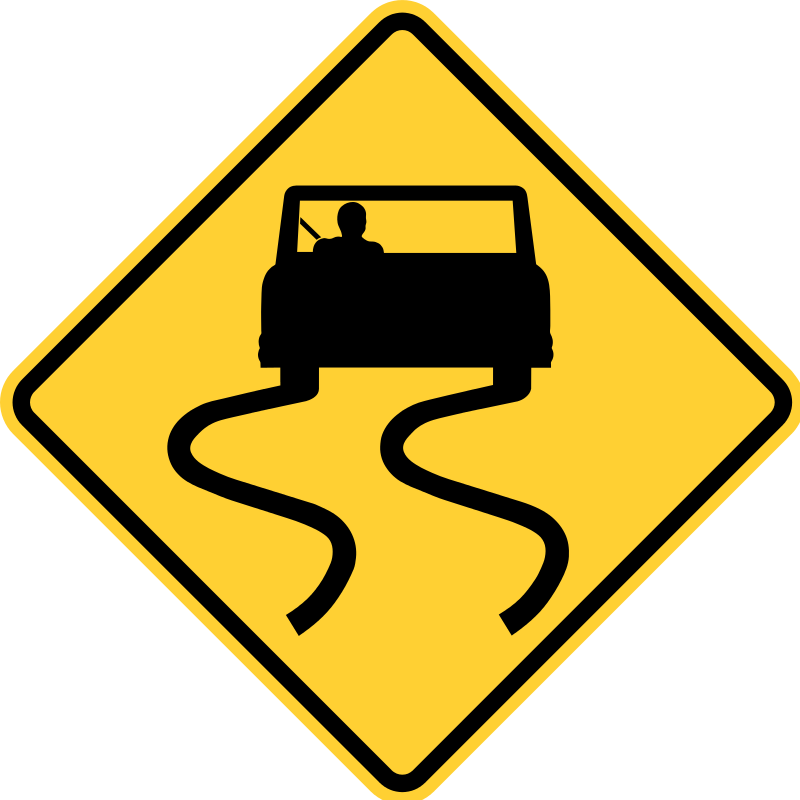 This road sign means:
A
Winding road
B
Side road ahead
C
Slippery when wet
This traffic sign indicates: Slippery when wet. Observing and obeying all roadway signs ensures safe traffic flow and legal driving.
Question 41:
When approaching a highway-rail intersection, the first sign drivers see is usually:
A
an RXR round sign on a yellow background.
B
a stop sign.
C
a yield sign.
According to standard right-of-way regulations: an RXR round sign on a yellow background. Yielding appropriately prevents intersection collisions and maintains safe traffic flow.
Question 42:
Which signs have black letters on a yellow or orange background?
A
Warning signs (diamond)
B
Regulatory signs (vertical rectangle)
C
Railroad advance warning signs (round)
The correct driving rule is: Warning signs (diamond). Following standard DMV road rules and practicing defensive driving ensures safety for all road users.
Question 43:
Night driving is difficult because:
A
roadway signs are more difficult to see at night.
B
streetlights may cause a lot of glare
C
All of the above.
All of the listed points are essential driving requirements: roadway signs are more difficult to see at night; streetlights may cause a lot of glare. Practicing each ensures compliance with DMV safety laws.
Question 44:
Passing on a two-lane, two-way road is not allowed:
A
within 500 feet of an intersection or railroad crossing.
B
in an area marked by a broken yellow line on your side of the center of the road.
C
when a vehicle has stopped at an intersection to allow a pedestrian to cross.
Defensive driving guidelines state that: when a vehicle has stopped at an intersection to allow a pedestrian to cross. Anticipating road hazards and communicating maneuvers keeps traffic predictable and safe.
Question 45:
 This road sign warns drivers that:
A
left turns are not allowed at the intersection.
B
the road will make a sharp turn to the right.
C
another road enters the highway from the direction shown.
This traffic sign indicates: another road enters the highway from the direction shown. Observing and obeying all roadway signs ensures safe traffic flow and legal driving.
Question 46:
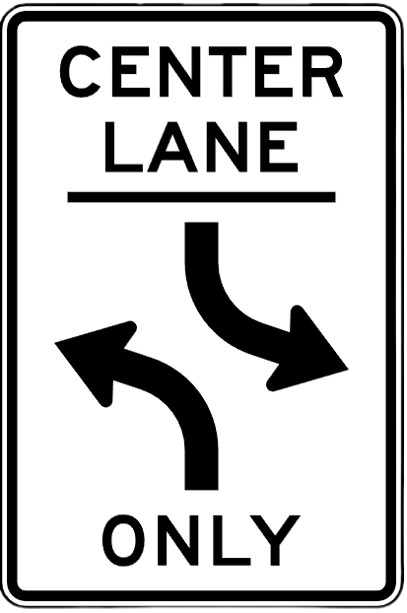 This sign means:
A
The center lane is shared for left turns.
B
Left turns in both directions of travel are not permitted.
C
Vehicles may only turn left.
This traffic sign indicates: The center lane is shared for left turns. Observing and obeying all roadway signs ensures safe traffic flow and legal driving.
Question 47:
All vehicles operated in Illinois must be covered by liability insurance.
A
True
B
False
The correct driving rule is: True. Following standard DMV road rules and practicing defensive driving ensures safety for all road users.
Question 48:
When approaching a stop sign that is not marked by a crosswalk, drivers should stop their vehicles as close to the sign as possible.
A
False
B
True
Drivers must always yield the right-of-way to pedestrians crossing at intersections and crosswalks: True. Stop and allow them to clear the lane safely.
Question 49:
What is the typical speed limit in a school zone when children are present, unless otherwise posted?
A
15 to 25 mph
B
35 to 45 mph
C
10 mph everywhere
D
Same as regular city streets
School zone speed limits typically range between 15 and 25 mph during school hours or when children are walking or playing nearby.
Question 50:
Vehicles must have a horn that can be heard from:
A
50 feet.
B
100 feet.
C
200 feet.
The correct driving rule is: 200 feet. Following standard DMV road rules and practicing defensive driving ensures safety for all road users.