 drivequiz.com
 Question 1
When approaching someone using a white cane or guide dog, drivers should:
A
slow down and be prepared to stop.
B
proceed normally.
C
come to a complete stop and invite them to take the right-of-way.
No explanation available.
Question 2
If you meet a stopped school bus with the lights flashing and the signal arm extended, you should:
A
proceed at 15 MPH or less, if no children are present.
B
stop.
C
watch for children and proceed at normal speed.
No explanation available.
Question 3
At a stop sign there is no stop line or crosswalk. You must stop:
A
before you enter the intersection.
B
at the next crosswalk.
C
after you enter the intersection, if you have a clear view of traffic on the intersecting roadway.
No explanation available.
Question 4
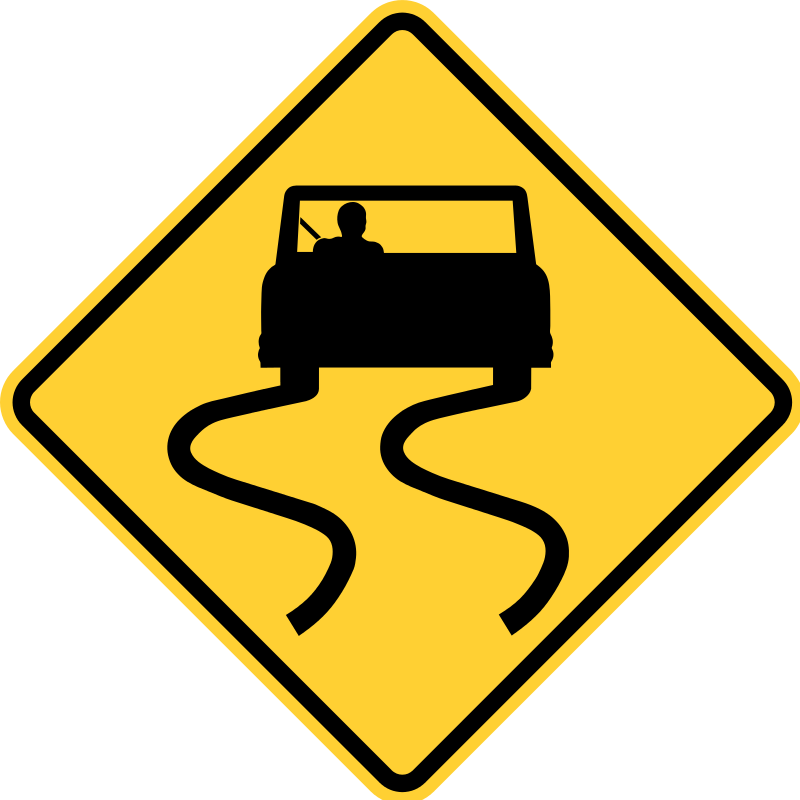 This road sign means:
A
Winding road ahead
B
Warning, slippery when wet
C
Railroad Warning
D
Stop Sign Ahead
No explanation available.
Question 5
Warning signs are normally:
A
blue.
B
yellow.
C
red.
D
green.
No explanation available.
Question 6
If you miss your exit on a freeway, do NOT:
A
continue on the freeway and find an alternative route.
B
turn around or back up.
C
get back on the freeway in the opposite direction and return to the exit you want.
No explanation available.
Question 7
Green and white signs:
A
give information about directions and distances.
B
are mainly used at intersections and driveways.
C
warn drivers of unexpected road conditions.
No explanation available.
Question 8
When parking on a public road, drivers should:
A
move as far away from traffic as possible.
B
always park on the left side of the roadway.
C
All of the above.
No explanation available.
Question 9
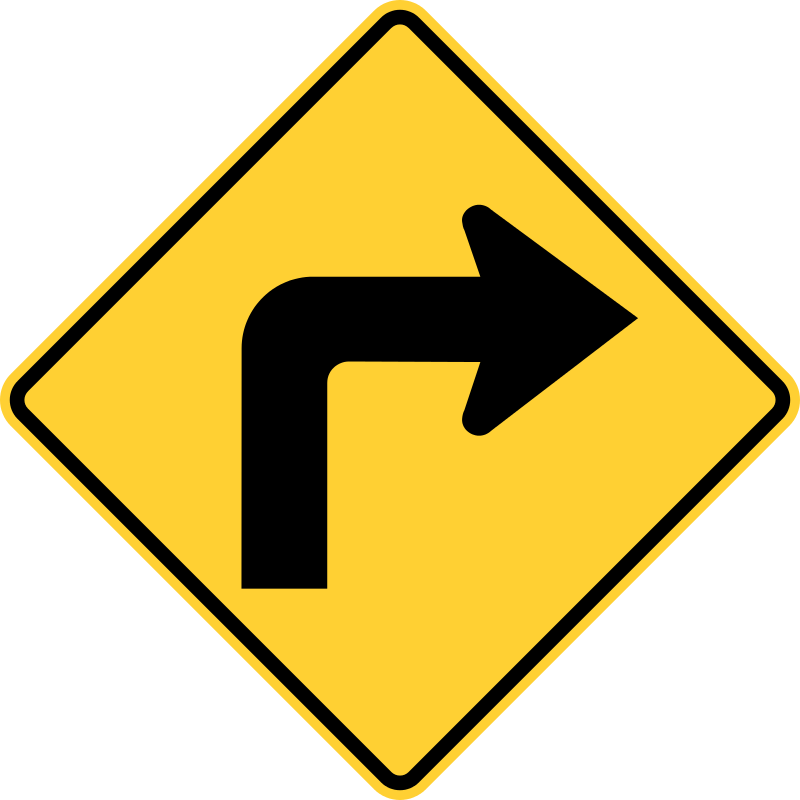 This sign warns drivers of:
A
a side road.
B
a sharp turn.
C
a cross road.
No explanation available.
Question 10
Blind spots are:
A
Dangerous intersection where the maximum speed limit is 15 MPH or less.
B
At night, the darkest areas of a road, where emergency flashers should be used.
C
Areas to the side or rear of a vehicle that the driver cannot see with use of mirrors.
No explanation available.
Question 11
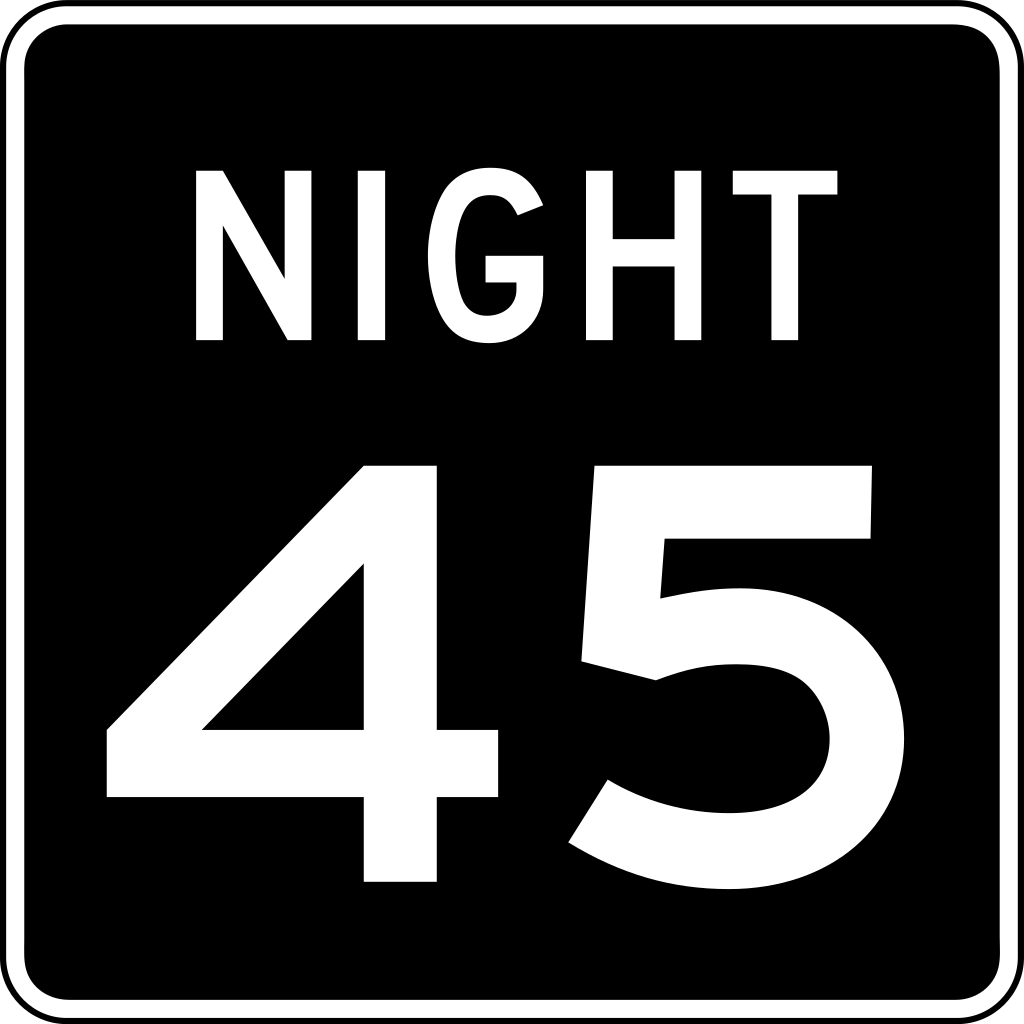 This sign means:
A
Take route 45 if you are driving at night.
B
The night-time speed limit is 45 MPH.
C
The minimum speed limit is 45 MPH.
No explanation available.
Question 12
When approaching someone using a white cane or guide dog, drivers should:
A
carefully drive around them.
B
stop until the person is well away from the roadway or path of travel.
C
honk their horn as they proceed past them.
No explanation available.
Question 13
 This is:
A
a side road sign.
B
a merging traffic sign.
C
a right curve sign.
No explanation available.
Question 14
Regulatory signs are:
A
Suggestions
B
Warnings
C
Law
No explanation available.
Question 15
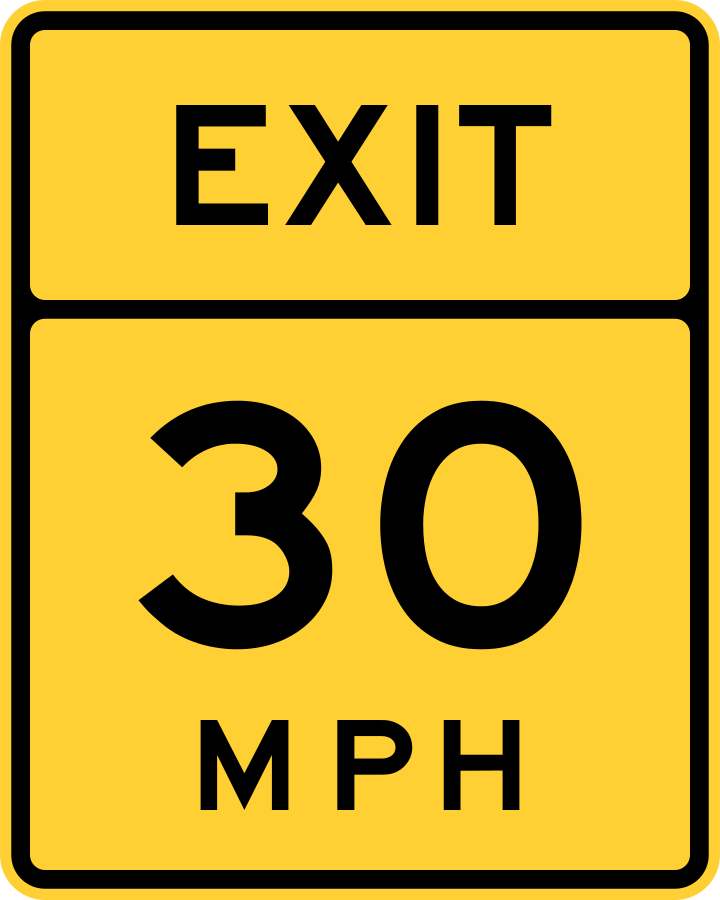 The sign in the picture:
A
shows the highest speed drivers can travel at the exit of the intersection.
B
is used to advise motorists of the appropriate ramp speed at the highway exit point.
C
indicates the minimum ramp speed at the highway exit point.
No explanation available.
Question 16
Railroad crossings should always be considered:
A
safe when railroad crossing lights are active.
B
a place where stopping is required.
C
safe to cross.
D
dangerous.
No explanation available.
Question 17
When a driver is turning and a pedestrian is crossing without a traffic light, __________ must yield the right-of-way.
A
the pedestrian
B
the driver
C
both
D
whoever is slower
No explanation available.
Question 18
Which shape is a warning sign?
A
Diamond
B
Triangle
C
Pennant
No explanation available.
Question 19
To avoid traction loss from hydroplaning, drivers should:
A
keep a constant speed.
B
apply the brakes as soon as the car starts to skid.
C
slow down.
No explanation available.
Question 20
 This sign warns ____________ ahead.
A
of two-way traffic
B
of a reduction of lanes
C
that a divided highway ends
No explanation available.
Question 21
You are approaching a railroad crossing and the crossing signals are flashing. You should:
A
look for a train, then speed up.
B
slow down and look for a train.
C
do what the approaching vehicle does.
D
stop and look for a train.
No explanation available.
Question 22
Where must a pedestrian walk when there are no sidewalks?
A
On the side of the road, in the same direction of traffic.
B
In the middle of the road, facing oncoming traffic.
C
On the side of the road, facing the traffic.
No explanation available.
Question 23
Broken white lines can be crossed over:
A
when it is safe to change lanes.
B
only when passing another car.
C
at any time.
D
only in passing zones.
No explanation available.
Question 24
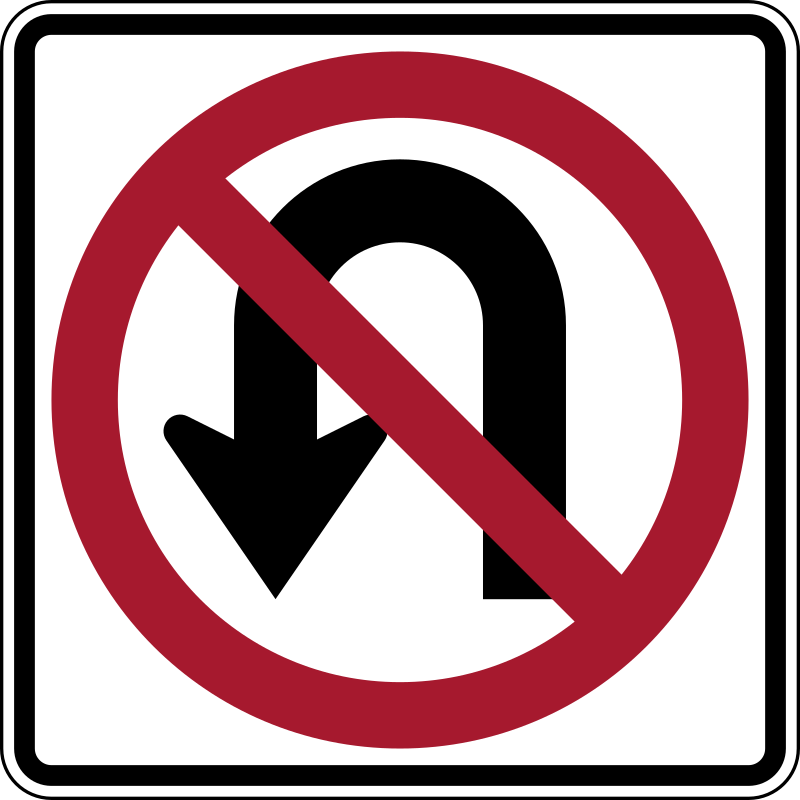 This road sign means:
A
No left turn
B
No U-turn
C
Detour ahead
No explanation available.
Question 25
You are driving on a four-lane divided highway, two vehicles are driving side by side ahead of you, and you are in a hurry. You should:
A
drive closely behind the vehicles ahead changing lanes frequently.
B
drive in either lane with at least a two-second time interval behind the vehicle ahead.
C
drive closely behind the vehicle in the left lane and flash your headlights.
D
drive closely behind the vehicle in the right lane.
No explanation available.
Question 26
How can you prevent fatigue on a long trip?
A
Plan to drive long trips with a companion.
B
Get enough sleep.
C
All of the above.
No explanation available.
Question 27
Having a drivers license is:
A
a requirement.
B
a privilege.
C
a constitutional right.
No explanation available.
Question 28
Drivers can not pass a vehicle on the left if:
A
they approach the top of a hill on a two-way road and can not see over it.
B
they can not safely return to the right lane before they reach a solid yellow center line for the right lane.
C
All of the above.
No explanation available.
Question 29
With conventional brakes, the correct way to stop in an emergency situation where traction is lost and the car slides is by pumping the brakes.
A
True
B
False
No explanation available.
Question 30
A flashing yellow light means:
A
The light will soon change from green to red.
B
Drive with caution.
C
Yield the right-of-way to other traffic at the intersection.
No explanation available.
Question 31
 This sign means:
A
Narrow bridge ahead. Slow down and drive with caution.
B
Do not to enter if your vehicle is taller than the height listed on the sign.
C
No passing zone ahead.
No explanation available.
Question 32
If a vehicle is coming towards you at night with its high beams on, making it hard to see the road ahead, you should:
A
look straight ahead towards the middle of the lane.
B
look ahead towards the left edge of your lane.
C
look ahead towards the right edge of your lane.
No explanation available.
Question 33
What happens if two vehicles reach at the same time an intersection with four-way stop signs?
A
The driver on the right yields to the driver on the left.
B
The driver on the left yields to the driver on the right.
C
The first vehicle to reach the intersection must yield.
No explanation available.
Question 34
To maintain an adequate 'space cushion' to the front, drivers need to:
A
keep a safe distance between their car and the vehicle in front.
B
The other answers are both correct.
C
control their speed to suit the road and traffic conditions.
No explanation available.
Question 35
Always stop before you cross railroad tracks when:
A
you are not wearing safety belts.
B
you are following a bicyclist or motorcyclist across railroad tracks.
C
you don't have room on the other side to completely cross the tracks.
No explanation available.
Question 36
Blind spots around a large vehicle are _________________ than the blind spots around a car.
A
larger and deeper
B
less dangerous
C
narrower and shorter
No explanation available.
Question 37
________ is the only effective way to reduce your Blood Alcohol Content (BAC).
A
Time
B
Drinking coffee
C
Taking a cold shower
D
Eating food
No explanation available.
Question 38
Before stopping your vehicle on the roadway, drivers should:
A
check their mirrors for traffic.
B
place their foot on the accelerator.
C
pump the brakes to check if they work properly.
No explanation available.
Question 39
 This road sign means:
A
Winding Road Ahead
B
Persons with Disabilities Parking
C
Merge
No explanation available.
Question 40
If you continually pass the other vehicles on a road with one lane in each direction, you will:
A
help prevent the chances of a crash occurring due to traffic congestion.
B
get to your destination much faster.
C
increase your chances of being involved in an accident.
No explanation available.
Question 41
You are stopped at a stop sign and you are going to go straight through the intersection. A car on the cross road has stopped at a stop sign on your right and is going to go straight. Who has the right-of-way?
A
Whoever enters the intersection first.
B
You.
C
The car on your right.
No explanation available.
Question 42
Road signs that direct drivers to services are:
A
black and white.
B
green and white.
C
brown and white.
D
blue and white.
No explanation available.
Question 43
Roads are the most slippery:
A
the first rain after a dry spell.
B
after it has been raining for an hour or more.
C
for the first 2 hours of a rain storm.
No explanation available.
Question 44
When they see a crossbuck sign, drivers:
A
must slow down and wait for the red lights to flash.
B
must always come to a complete stop.
C
are legally required to yield the right of way to trains.
No explanation available.
Question 45
When approaching a blind person walking with a white cane or guide dog, drivers should yield the right-of-way.
A
False
B
True
No explanation available.
Question 46
When driving in winter, you should NOT:
A
use snow tires on all four wheels of your vehicle.
B
use cruise control.
C
drive on interstate roads.
D
check your vehicle's antifreeze level and windshield washer fluid.
No explanation available.
Question 47
What should you do if your vision through the windshield becomes blocked?
A
Pull your vehicle off the road and park it.
B
Turn on your emergency lights.
C
Open the side window so you can see.
D
All of the above.
No explanation available.
Question 48
A defensive driver:
A
never drives below the speed limit.
B
knows when it is safe to pass other vehicles.
C
considers what other drivers might do and is always prepared to act.
No explanation available.
Question 49
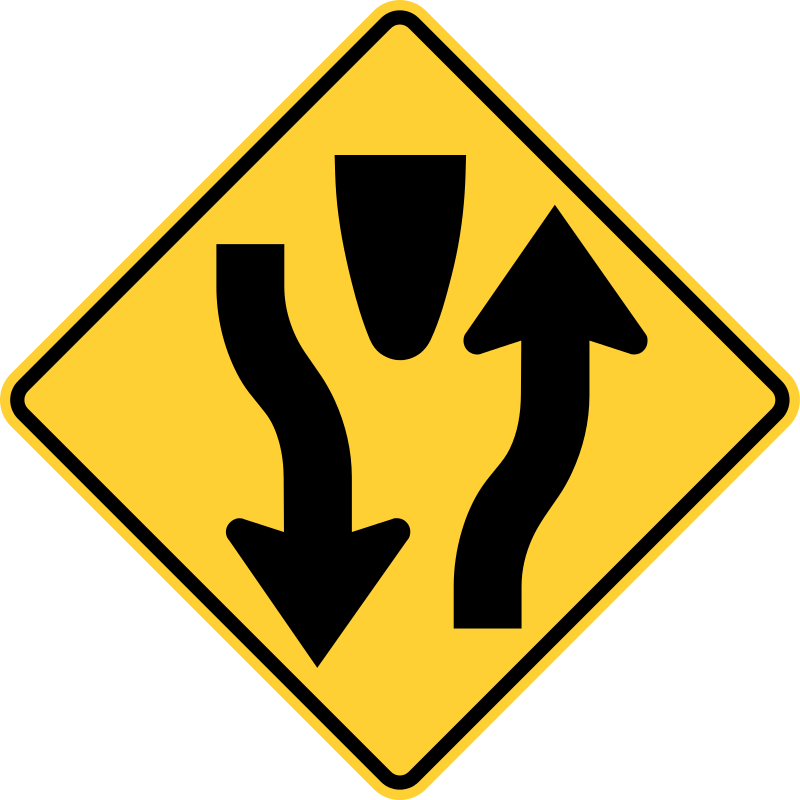 This road sign means:
A
Divided highway ahead - stay to the right
B
Do not enter
C
Do not pass
No explanation available.
Question 50
 This road sign means:
A
Winding Road Ahead
B
No turns are allowed on this road
C
Right lane closed
D
Do Not Enter
No explanation available.