 drivequiz.com
 Question 1
 This sign warns drivers that:
A
there is a one lane bridge ahead.
B
the right lane ends.
C
the road ahead is narrow.
No explanation available.
Question 2
Your license can be suspended if you are under 21 and drive with a BAC of:
A
0.15% or more.
B
any amount.
C
0.08% or more.
No explanation available.
Question 3
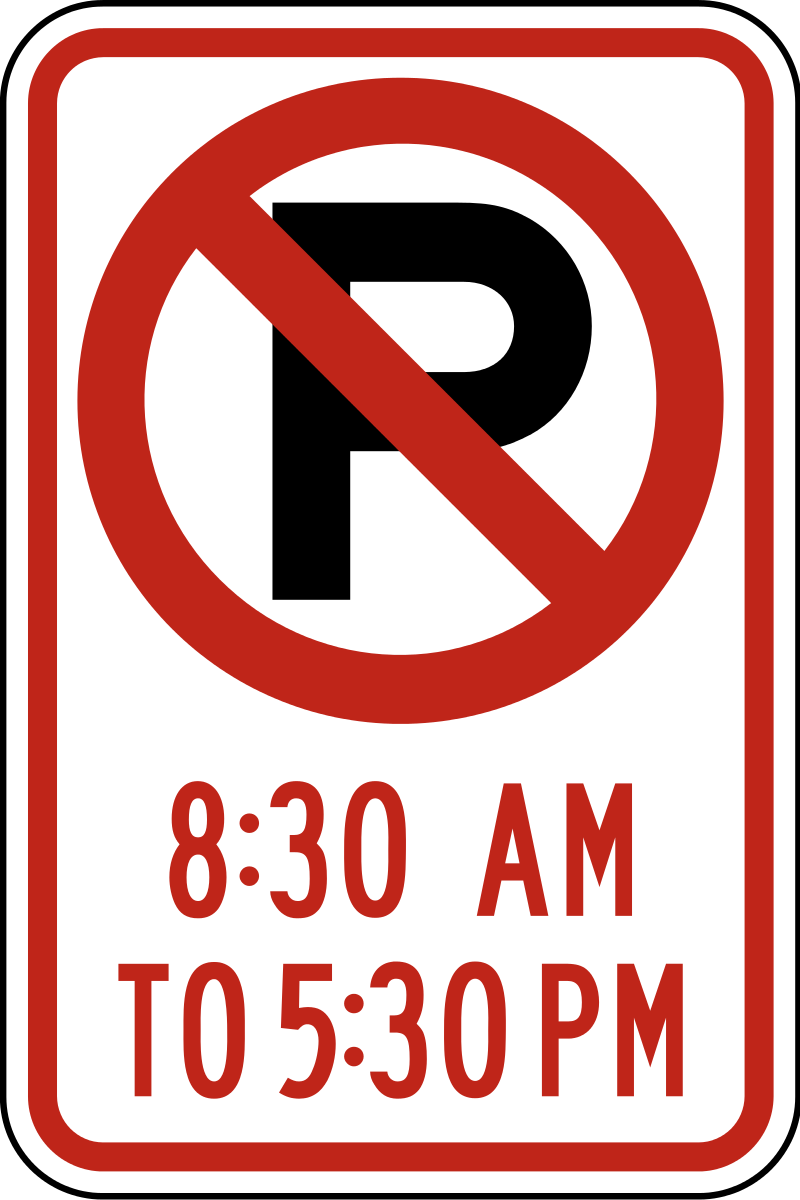 This sign means:
A
You can only park between 8:30 AM and 5:30 PM.
B
Parking is not allowed at 8:30 AM and at 5:30 PM
C
No parking between 8:30 AM and 5:30 PM.
No explanation available.
Question 4
You face a green light, but traffic on the other side of the intersection does not allow you to travel all the way through the intersection. What must you do?
A
Enter the intersection and wait until traffic ahead clears.
B
Wait for the next green light.
C
Wait until traffic ahead clears, so you do not block the intersection.
No explanation available.
Question 5
At intersections, crosswalks, and railroad crossings, drivers should always:
A
look to the sides of their vehicle to see what is coming.
B
slowly pass vehicles the vehicles ahead.
C
stop, listen for oncoming traffic, and proceed with caution.
No explanation available.
Question 6
Which signs have black letters on a white background?
A
Warning signs (diamond)
B
Regulatory signs (vertical rectangle)
C
Guide signs (horizontal rectangle)
No explanation available.
Question 7
 This sign indicates:
A
Winding road
B
Merging traffic
C
Divided highway ends
No explanation available.
Question 8
 This sign warns drivers that:
A
they cannot go straight ahead.
B
they will soon be facing oncoming traffic.
C
a shared lane starts ahead.
No explanation available.
Question 9
The traffic light is green and you want to drive straight through an intersection. If a car is already in the intersection and is making a turn, you must:
A
enter the intersection and then stop.
B
drive through the intersection. You have the right-of-way.
C
let that car complete its turn before you enter the intersection.
No explanation available.
Question 10
Which of the following is a defensive driving skill/technique?
A
Maintain the correct speed.
B
Do not drive if you are very weary.
C
All of the above.
No explanation available.
Question 11
Drivers should check their rearview mirrors:
A
often to see how traffic is moving behind them.
B
only when slowing down.
C
to see if a truck is in their blind spot.
No explanation available.
Question 12
You ________ traffic headed toward you when you turn left.
A
must not yield to
B
must interrupt
C
must yield to
No explanation available.
Question 13
Blind spots are:
A
Dangerous intersection where the maximum speed limit is 15 MPH or less.
B
At night, the darkest areas of a road, where emergency flashers should be used.
C
Areas to the side or rear of a vehicle that the driver cannot see with use of mirrors.
No explanation available.
Question 14
When driving through a construction zone, drivers should:
A
come to a complete stop and watch for a flagger.
B
proceed carefully.
C
decrease their following distance.
No explanation available.
Question 15
 When you see this sign you should:
A
increase your speed and try to pass other vehicles.
B
slow your speed and be prepared to stop.
C
slow your speed and do not pass other vehicles.
No explanation available.
Question 16
To reduce their chances of colliding with an animal, drivers should:
A
scan the sides of the road to watch for the reflection of vehicle headlights in the eyes of animals.
B
look well down the road and far off to each side.
C
All of the above.
No explanation available.
Question 17
Where are yield signs usually placed?
A
At intersections, if there is no marked stop line.
B
Where auxiliary roads lead into major roads.
C
Where major roads lead into auxiliary roads.
No explanation available.
Question 18
When driving on the freeway behind large trucks, you should:
A
move to the right of the truck and pass it quickly.
B
drive closer behind the truck than for a passenger vehicle.
C
increase your following distance.
No explanation available.
Question 19
In case of skidding, drivers should NOT:
A
take their foot off the gas pedal.
B
pump the brakes gently if they are about to hit something.
C
tap the gas pedal with their foot.
No explanation available.
Question 20
You can reduce the chance of a collision with a large vehicle if you:
A
delay near it.
B
cut abruptly in front of it.
C
pay close attention to the turn signals.
No explanation available.
Question 21
Road signs that point out scenic areas and parks are:
A
brown and white.
B
black and orange.
C
green and white.
No explanation available.
Question 22
 This sign warns drivers that:
A
they must turn either to the right or left.
B
there is a double curve ahead.
C
there is a winding road ahead.
No explanation available.
Question 23
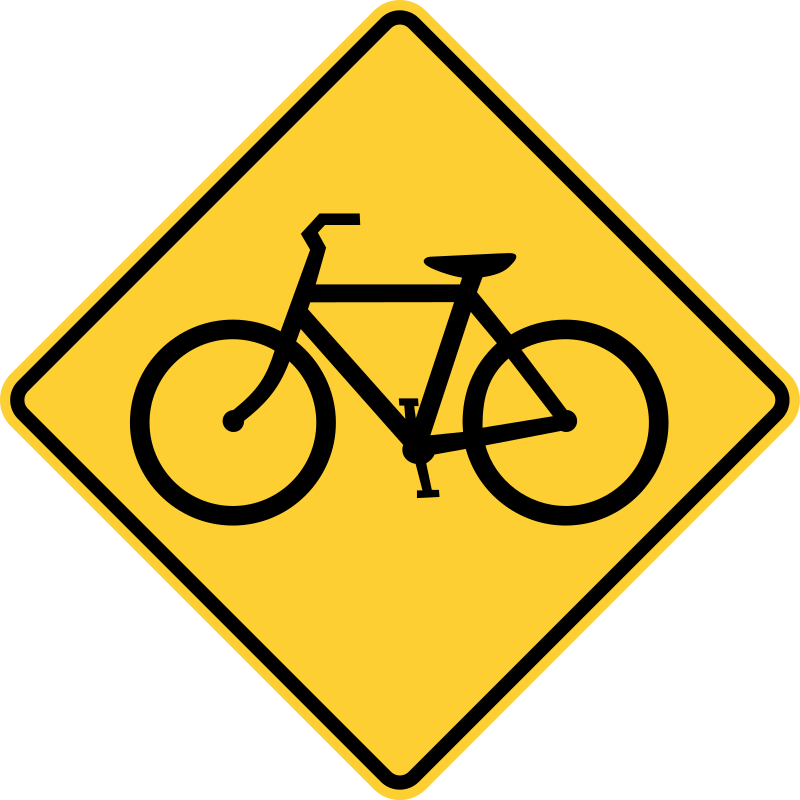 This sign means:
A
Bicycles should yield to vehicles ahead.
B
Warning: a bikeway crosses the roadway ahead.
C
The lane ahead is reserved for bicycles.
No explanation available.
Question 24
A vehicle that enters a road from a driveway:
A
has the right-of-way.
B
must yield to traffic approaching from the right, while it has the right-of-way over vehicles approaching from the left.
C
must stop and yield the right-of-way to traffic on the roadway and to pedestrians.
No explanation available.
Question 25
A driver who approaches an intersection:
A
must yield the right-of-way to traffic already in the intersection.
B
must drive straight through the intersection, even if another vehicle is already in the intersection.
C
has the right-of-way over traffic already in the intersection.
No explanation available.
Question 26
 This sign means:
A
Narrow bridge ahead. Slow down and drive with caution.
B
Do not to enter if your vehicle is taller than the height listed on the sign.
C
No passing zone ahead.
No explanation available.
Question 27
A flashing red light means:
A
The same as a STOP sign.
B
The light will soon change to steady red.
C
Drive with caution.
No explanation available.
Question 28
To see vehicles in your blind spots, you must look:
A
in your outside rearview mirror.
B
over your shoulders.
C
in your side mirrors.
No explanation available.
Question 29
 What does the flashing signal in the picture indicate?
A
The same thing as a stop sign.
B
Pedestrians should finish crossing the street if started.
C
Pedestrians should start crossing the street.
No explanation available.
Question 30
When approaching an intersection where the traffic light changes from green to yellow, you should:
A
slow down and proceed with caution through the intersection.
B
speed up to beat the red light.
C
come to a safe stop.
No explanation available.
Question 31
Drivers should be aware that a motorcyclist may:
A
decrease speed and rise off the seat when approaching a railroad crossing.
B
quickly change speed or lane position.
C
All of the above.
No explanation available.
Question 32
Road signs that direct drivers to services are:
A
brown and white.
B
blue and white.
C
green and white.
No explanation available.
Question 33
_________________ your mirrors when you prepare to change lanes.
A
Never depend on
B
Never use
C
Always rely on
No explanation available.
Question 34
BAC is:
A
the acronym for Beer ACcumulation.
B
the number of ounces of alcohol in your blood.
C
the percentage of alcohol in your blood.
No explanation available.
Question 35
If the entrance lane is too short to allow acceleration to expressway speed, you should:
A
stop and wait for a large space in traffic.
B
enter the expressway and accelerate quickly.
C
reduce your speed to 15 MPH or less and blend with traffic.
No explanation available.
Question 36
Who is most at risk?
A
Drivers who are fatigued.
B
Drivers who are driving on long, boring roads.
C
All of the above.
No explanation available.
Question 37
Slowing down just to look at collisions or anything else out of ordinary:
A
causes traffic congestion.
B
improves traffic flow.
C
helps prevent rear-end collisions.
No explanation available.
Question 38
Always stop before you cross railroad tracks when:
A
you are not wearing safety belts.
B
you are following a bicyclist or motorcyclist across railroad tracks.
C
you don't have room on the other side to completely cross the tracks.
No explanation available.
Question 39
A curb painted red means:
A
No parking or stopping
B
Parking is for disabled persons with a special placard or plate.
C
Reserved for passengers pick up or drop off
No explanation available.
Question 40
When approaching any intersection or driveway, drivers should:
A
look both ways and be ready to stop.
B
pass other vehicles and then stop.
C
drive at the fastest speed just before entering the intersection.
No explanation available.
Question 41
When a hazard is seen ahead, reaction distance:
A
is the sum of perception distance and braking distance.
B
equals total stopping distance minus perception distance.
C
is how far a vehicle will continue to travel, in ideal conditions, before the driver hits the brakes.
No explanation available.
Question 42
A driver cuts off another vehicle, or threatens another motorist or a pedestrian. These are examples of:
A
excessive driving
B
road rage
C
defensive driving
No explanation available.
Question 43
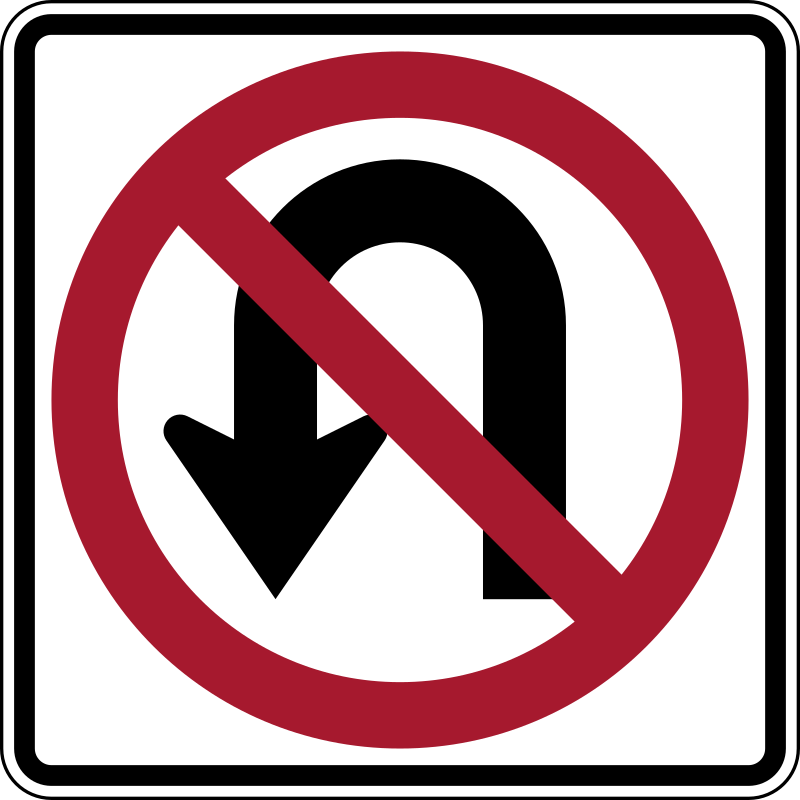 This road sign means:
A
No left turn
B
No U-turn
C
Detour ahead
No explanation available.
Question 44
One broken line indicates:
A
You can pass other vehicles and change lanes, if it is safe.
B
You can not pass other vehicles or go across the line.
C
You can change lanes, but only when traffic conditions or obstructions in the road make it necessary.
No explanation available.
Question 45
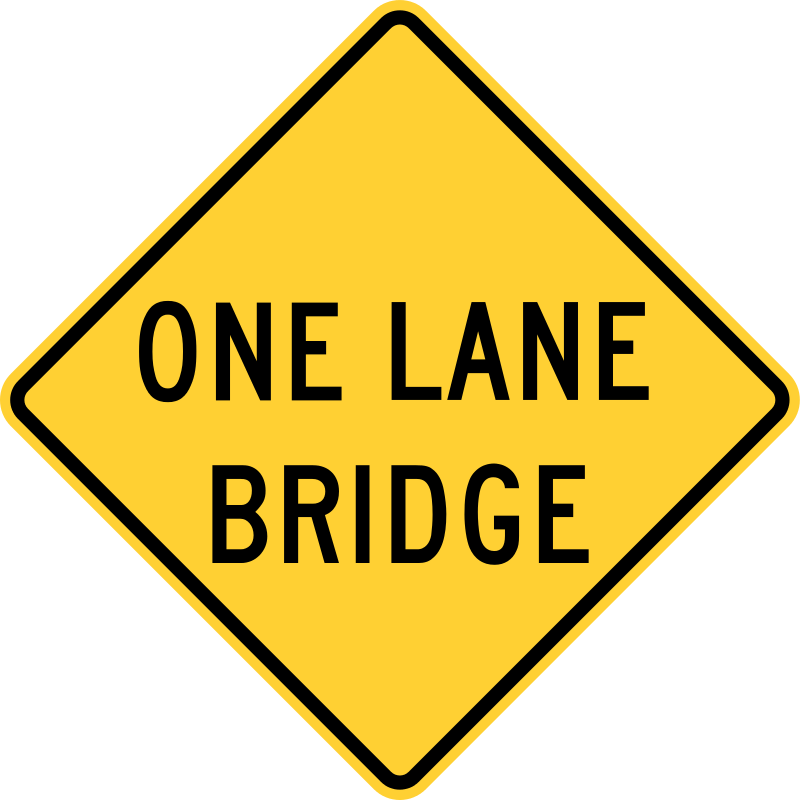 What should drivers do when they see this sign?
A
Make sure the bridge is clear of oncoming traffic before they cross.
B
Look to the left and right for other traffic.
C
Allow others to merge smoothly.
No explanation available.
Question 46
Never make a U-turn from:
A
the lane you’re in.
B
the right lane.
C
the left part of the lane nearest to the centerline of the roadway.
No explanation available.
Question 47
When children are close, what should you do before you back out of a driveway?
A
Rely on your mirrors.
B
Get out of the car and check behind the car.
C
Look through your back window for children.
No explanation available.
Question 48
Just like alcohol and other drugs, drowsiness can:
A
help you to be a better driver.
B
make you feel better.
C
impair your judgment.
No explanation available.
Question 49
You must notify MVD of an address change within:
A
21 days.
B
10 days.
C
30 days.
No explanation available.
Question 50
Destination signs are ______ with ____ letters and symbols.
A
green; white
B
blue; white
C
white; black
No explanation available.