Question 1:
Hydroplaning is a situation in which:
A
your tires throw water to the rear, causing problems for the vehicles behind.
B
the tires of the car ahead cause sheets of water to splash on your vehicle.
C
one of your tires goes flat, causing the others to skid.
D
your tires ride up on a thin surface of water, losing contact with the pavement, and resulting in sudden loss of control
No explanation available.
Question 2:
If your brakes are wet, you can dry them by:
A
riding the pedal lightly.
B
pull over to the right and wait until it stops raining.
C
having them checked by a mechanic.
No explanation available.
Question 3:
 The yield sign means:
A
Drive with caution in wet weather.
B
You must come to a complete stop.
C
Slow down and give vehicles crossing your path the right-of-way.
No explanation available.
Question 4:
An emergency vehicle that uses lights and a siren can be unpredictable. Why?
A
The driver can legally pass red lights.
B
Emergency vehicles must go faster than the posted speed limit when it is safe to do so.
C
Emergency vehicle drivers are not required to be careful.
No explanation available.
Question 5:
Which shape is a railroad advance warning sign?
A
Crossbuck
B
Round
C
Pentagon
No explanation available.
Question 6:
What is the main reason night driving is more difficult than daytime driving?
A
The use of headlight is required by law.
B
Reduced visibility.
C
Driving within the range.
No explanation available.
Question 7:
When approaching any intersection or driveway, drivers should:
A
look both ways and be ready to stop.
B
pass other vehicles and then stop.
C
drive at the fastest speed just before entering the intersection.
No explanation available.
Question 8:
You want to turn left at an intersection ahead. A car reaches the intersection from the opposite direction and moves straight ahead. You:
A
can turn left. You have the right of way.
B
must wait for the car to go through before you turn.
C
may not enter the intersection to prepare for your left turn if the light is green.
No explanation available.
Question 9:
You are stopped at a stop sign and you are going to go straight through the intersection. A car on the cross road has stopped at a stop sign on your right and is going to go straight. Who has the right-of-way?
A
Whoever enters the intersection first.
B
You.
C
The car on your right.
No explanation available.
Question 10:
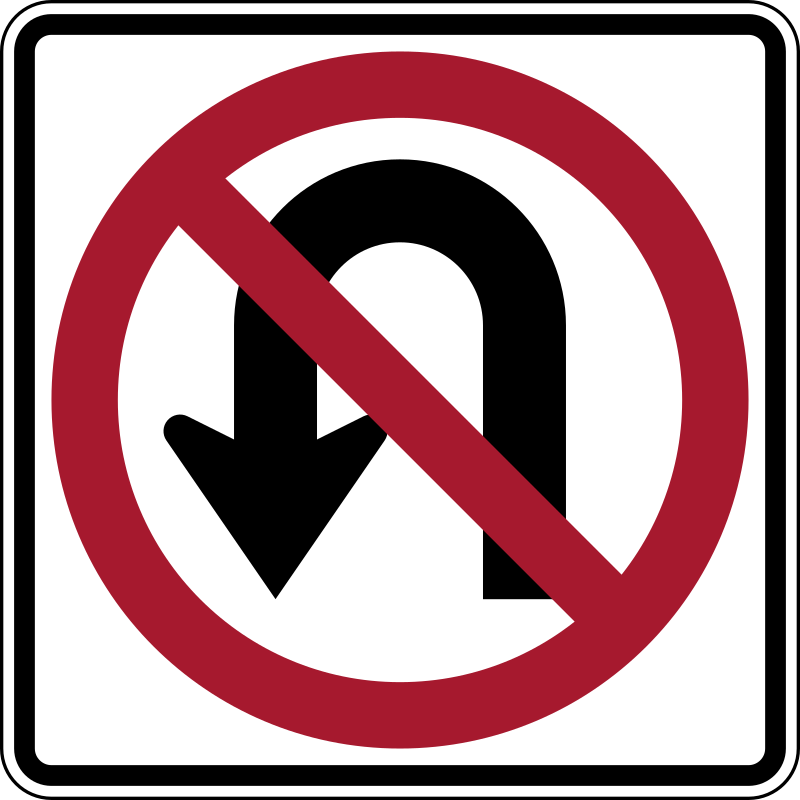 This road sign means:
A
No left turn
B
No U-turn
C
Detour ahead
No explanation available.
Question 11:
A steady yellow light means that a ______ light will soon appear.
A
steady green
B
steady red
C
flashing yellow
D
flashing green
No explanation available.
Question 12:
Which of the following must you obey over the others?
A
A flashing red light.
B
A stop sign.
C
A steady red light.
D
A police officer.
No explanation available.
Question 13:
If another vehicle passes you on the left, you must:
A
increase your speed slightly and keep to the right.
B
decrease your speed, then pull over to the right and stop.
C
decrease your speed slightly and keep to the right.
No explanation available.
Question 14:
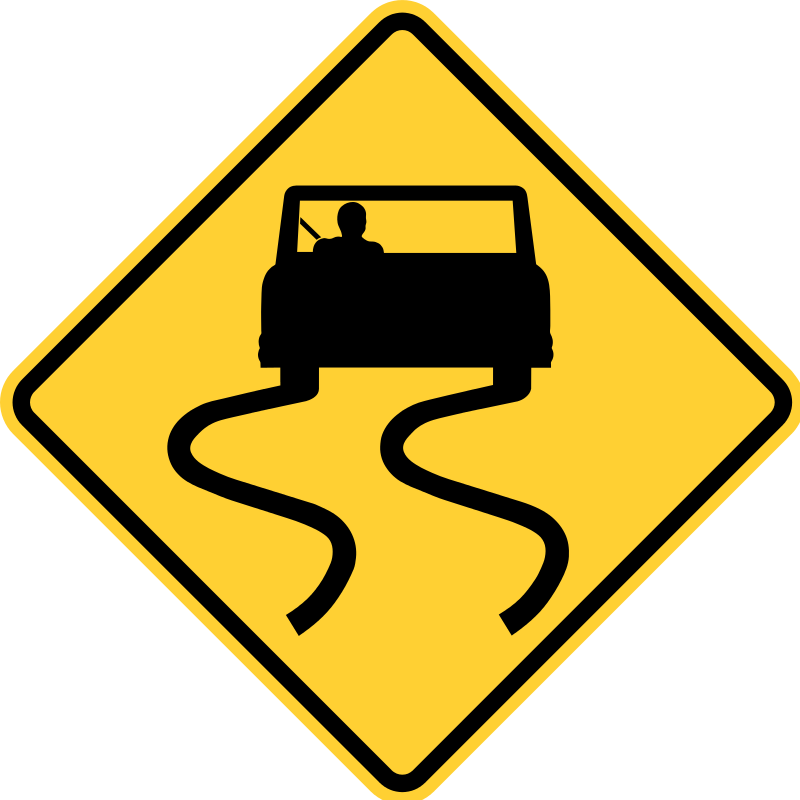 When they see this sign, drivers:
A
should be prepared to make sharp turns at a high speed.
B
need to be prepared to turn right and then left quickly.
C
should not speed up or brake quickly.
No explanation available.
Question 15:
 This sign warns drivers that:
A
they must turn either to the right or left.
B
there is a double curve ahead.
C
there is a winding road ahead.
No explanation available.
Question 16:
Blind spots around a large vehicle are _________________ than the blind spots around a car.
A
larger and deeper
B
less dangerous
C
narrower and shorter
No explanation available.
Question 17:
 This road sign means:
A
Lane shifting
B
Traffic is entering from another road, drive with caution
C
Stop for other traffic
D
Yield right-of-way
No explanation available.
Question 18:
Road signs that point out scenic areas and parks are:
A
brown and white.
B
black and orange.
C
green and white.
No explanation available.
Question 19:
A driver who approaches an intersection:
A
must yield the right-of-way to traffic already in the intersection.
B
must drive straight through the intersection, even if another vehicle is already in the intersection.
C
has the right-of-way over traffic already in the intersection.
No explanation available.
Question 20:
When two cars arrive at an intersection with no signs or signals at the same time, which car has the right-of-way?
A
The car that is traveling faster.
B
The car approaching from the right.
C
The car approaching from the left.
D
The car in which the driver sounds the horn.
No explanation available.
Question 21:
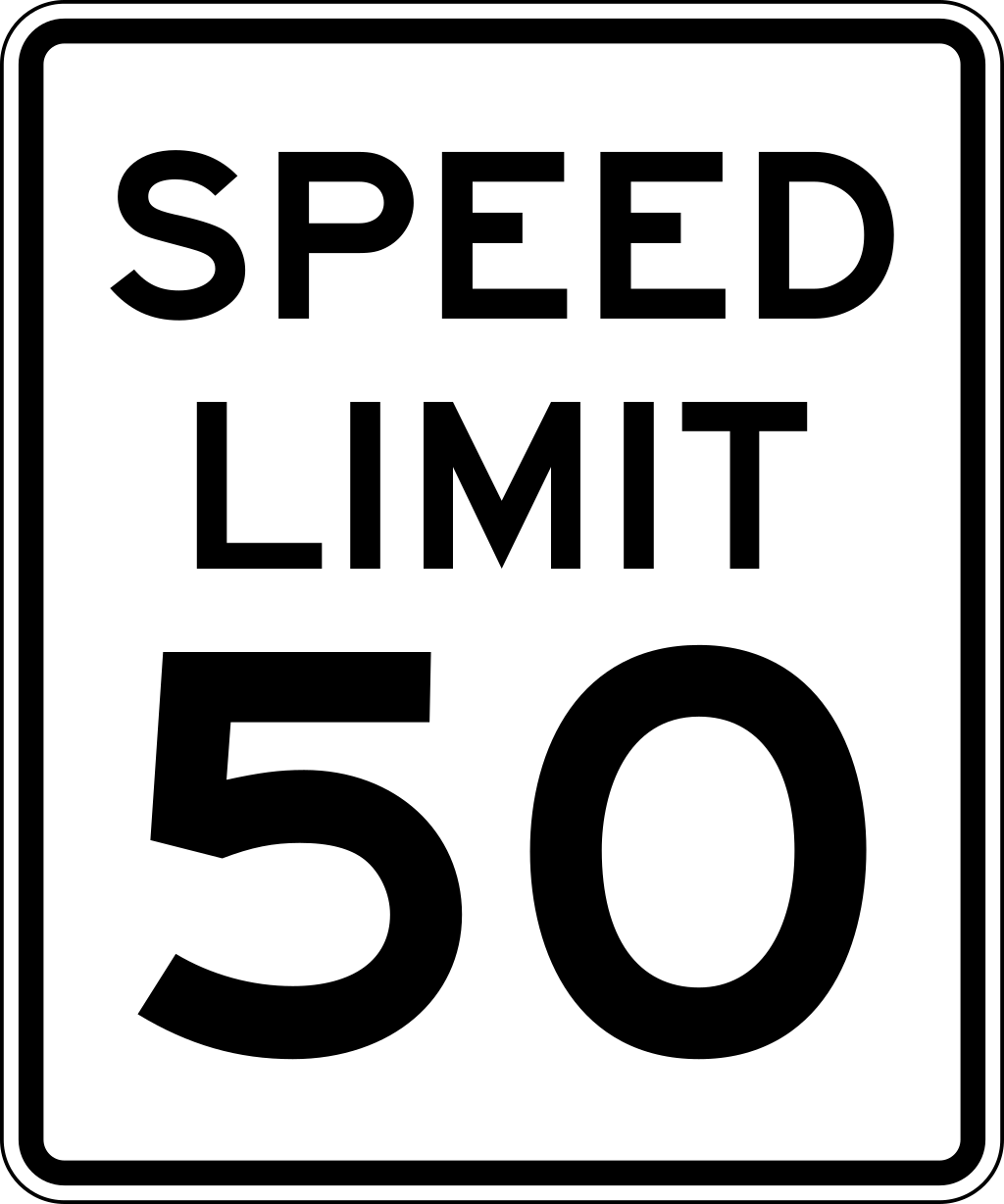 This sign indicates the _______________ vehicles can safely travel in this area.
A
suggested speed
B
maximum speed
C
minimum speed
No explanation available.
Question 22:
_________________ your mirrors when you prepare to change lanes.
A
Never depend on
B
Never use
C
Always rely on
No explanation available.
Question 23:
Never make a U-turn from:
A
the lane you’re in.
B
the right lane.
C
the left part of the lane nearest to the centerline of the roadway.
No explanation available.
Question 24:
If a traffic officer signals you to drive through a red light:
A
you must do it.
B
you must wait for the red light to turn green.
C
you must not obey the officer. Signs and signals take precedence over directions given by traffic officers.
No explanation available.
Question 25:
When driving on a wet road:
A
as you drive faster, your tires may lose traction.
B
you must be aware that the pavement gets even more slippery when it's been raining for long periods of time.
C
you should follow the vehicle ahead of you more closely.
D
as you decrease your speed, the road becomes more slippery.
No explanation available.
Question 26:
What should you do if your headlights suddenly go out?
A
Brake immediately and activate your emergency lights.
B
Use your emergency lights, parking lights or directional signals.
C
Ease your foot off the gas pedal and brake gently.
No explanation available.
Question 27:
If the entrance lane is too short to allow acceleration to expressway speed, you should:
A
stop and wait for a large space in traffic.
B
enter the expressway and accelerate quickly.
C
reduce your speed to 15 MPH or less and blend with traffic.
No explanation available.
Question 28:
If you are continually being passed on the right, you should:
A
move into the right lane and allow other vehicles to pass you on the left.
B
move into the left lane and allow other vehicles to pass you on the right.
C
increase your speed immediately.
No explanation available.
Question 29:
Are bicyclists required to obey traffic laws and signs?
A
No, bicyclists are considered pedestrians when it comes to the rules of the road.
B
Yes.
C
Yes, but only if they are riding in a bicycle lane.
No explanation available.
Question 30:
The first sign drivers see when approaching a highway-rail intersection is usually:
A
a crossbuck sign.
B
an advance warning sign.
C
a speed limit sign.
No explanation available.
Question 31:
What is the most important rule to remember in any emergency?
A
Do not panic.
B
Run away.
C
Call the police.
No explanation available.
Question 32:
Does a vehicle prepared to enter a traffic circle or rotary have right-of-way over vehicles in the circle?
A
Yes, but only if they are entering the rotary from the right lane.
B
No. Vehicles already in the circle have the right-of-way.
C
Only if the light is green.
D
Yes.
No explanation available.
Question 33:
When you make a left turn from a two-way road into a four-lane highway, you must:
A
enter the left lane, to the right of the center line.
B
enter the right lane, to the left of the center line.
C
go straight through the intersection, and then make the turn.
No explanation available.
Question 34:
What is a likely effect when you take another drug while you drink alcohol?
A
The effects of the alcohol and the drug are enhanced.
B
There are no effects, unless the drug is prescription only.
C
If the drug is over-the-counter, there are no effects.
No explanation available.
Question 35:
 This sign means:
A
divided highway ahead.
B
narrow bridge ahead.
C
road construction.
D
lane ends, merge left.
No explanation available.
Question 36:
A driver should be extra alert for motorcyclists, bicycles and pedestrians. Why?
A
They obey specific traffic laws.
B
They always have the right-of-way.
C
They are hard to see in traffic.
D
They don’t have rearview mirrors.
No explanation available.
Question 37:
What should drivers do in case of a brake failure?
A
Shift to a lower gear.
B
Tie a white cloth on the left door handle.
C
Brake lightly.
No explanation available.
Question 38:
When the road is slippery, you should:
A
brake suddenly carefully.
B
pump your brakes.
C
press your brakes in slow, steady strokes.
No explanation available.
Question 39:
A flashing yellow light means:
A
The light will soon change from green to red.
B
Drive with caution.
C
Yield the right-of-way to other traffic at the intersection.
No explanation available.
Question 40:
If another car is in danger of hitting you, you should:
A
flash your brake lights.
B
sound your horn.
C
use your emergency lights.
D
flash your headlights.
No explanation available.
Question 41:
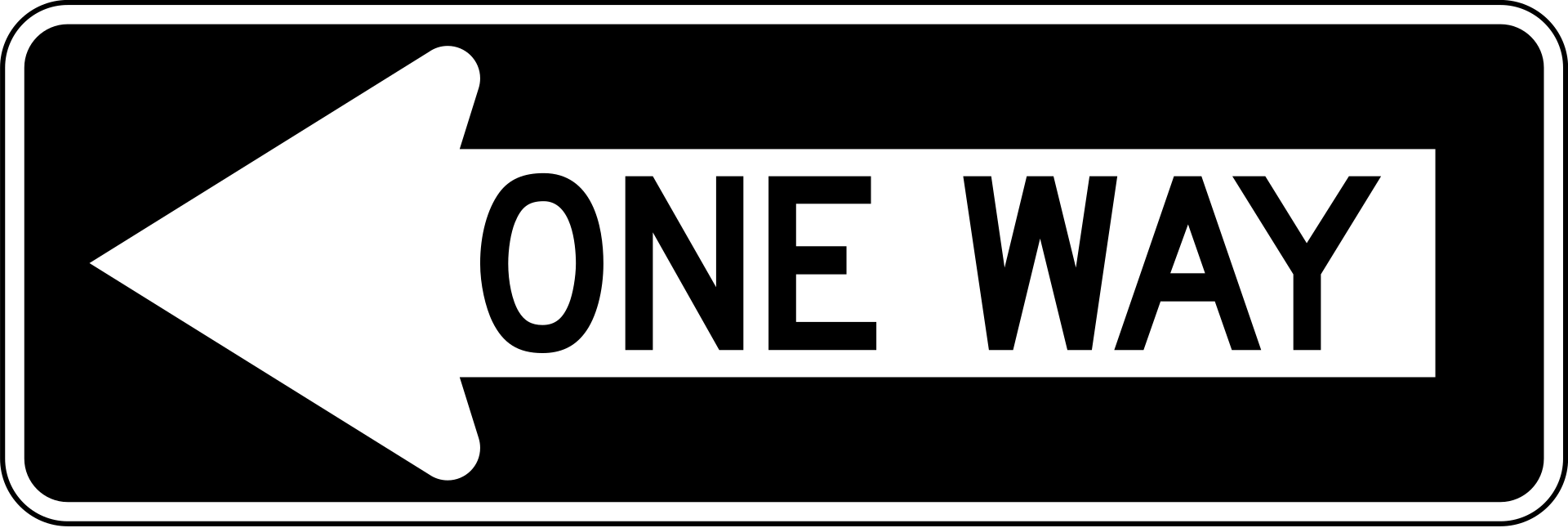 This road sign means:
A
Traffic flows only in the direction of the arrow
B
Turn right or left
C
No right turn
D
Sharp curve ahead
No explanation available.
Question 42:
Which of the following is a defensive driving skill/technique?
A
Maintain the correct speed.
B
Do not drive if you are very weary.
C
All of the above.
No explanation available.
Question 43:
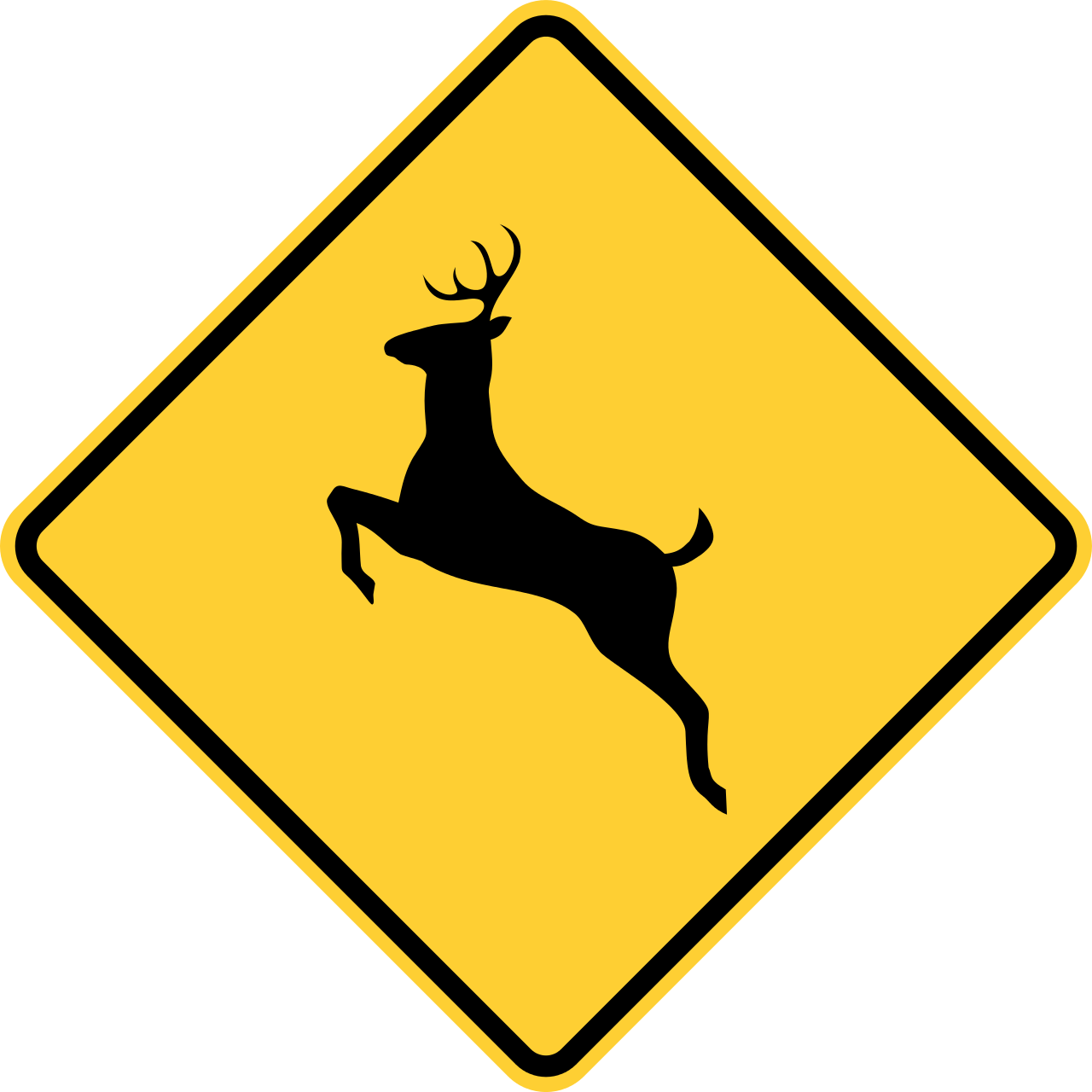 When they see this road sign, drivers should:
A
drive carefully because the animal pictured on the sign is extremely rare in the area.
B
watch for this species crossing the road.
C
park in the zoo area.
No explanation available.
Question 44:
When following motorcycles, drivers should:
A
reduce the minimum following distance.
B
try to pass them as they have different braking capabilities than other motor vehicles.
C
keep more space in front of their vehicle.
No explanation available.
Question 45:
You reach an intersection that is not controlled at the same time as a driver on your right, and both of you prepare to go straight. Who has the right-of-way?
A
You.
B
No one.
C
The other driver.
No explanation available.
Question 46:
This sign indicates:
A
Warning: drunk drivers.
B
Winding road. Drive with caution.
C
The road may be slippery when wet. Drive slowly.
No explanation available.
Question 47:
What is the first thing you should do if your wheels move off the pavement?
A
Pull the steering wheel back.
B
Pull over to the right and sound your horn to warn the other drivers.
C
Ease your foot off the gas pedal and brake gently.
No explanation available.
Question 48:
If a driver follows you too closely, you should:
A
move to another lane if possible.
B
activate your stop lights.
C
brake suddenly.
No explanation available.
Question 49:
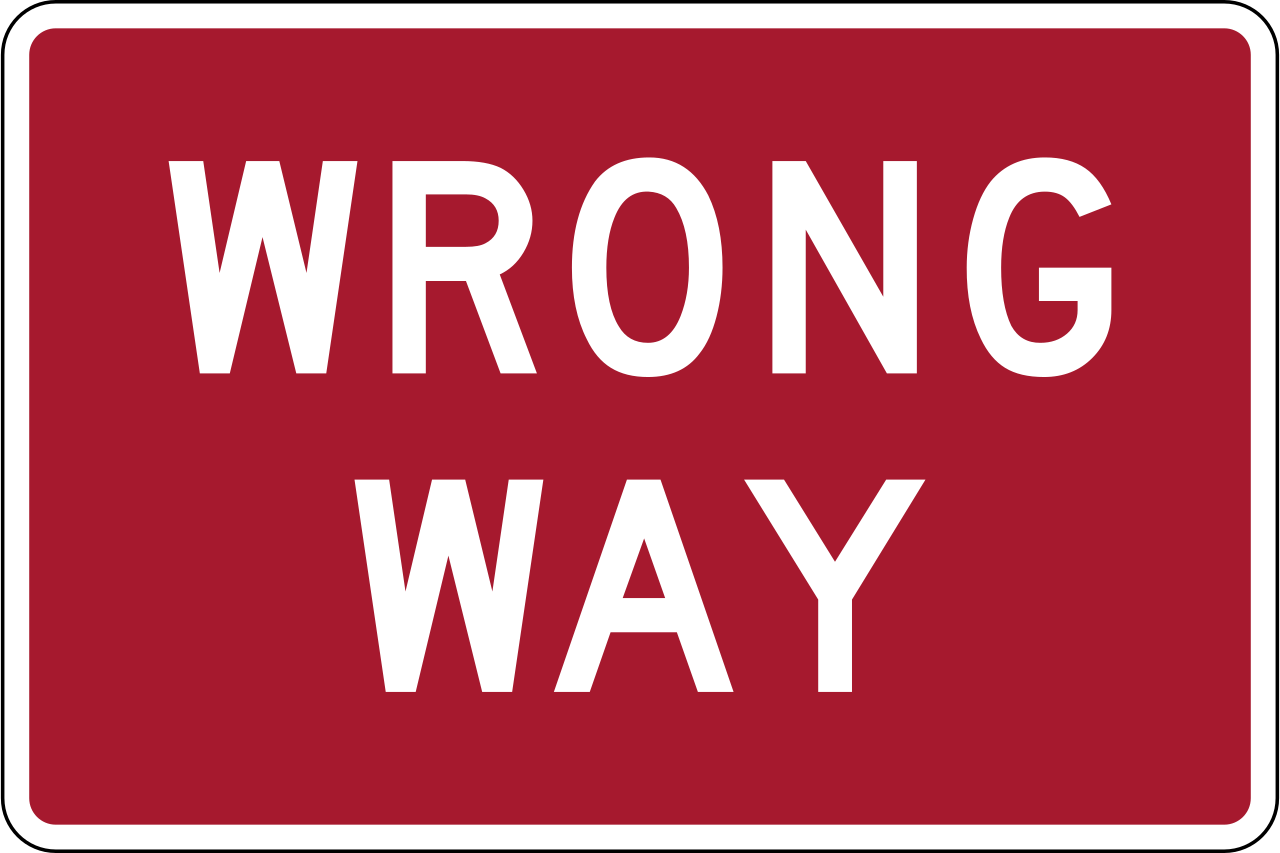 When drivers see this road sign:
A
they must come to a complete stop and call the police.
B
they must not drive past this sign.
C
they must turn around immediately.
No explanation available.
Question 50:
 This road sign means:
A
Divided highway ahead
B
Two-way traffic ahead
C
Four-lane traffic ahead
No explanation available.