DriveQuiz drivequiz.com

WY DMV PERMİT PRACTİCE TEST 5

Wyoming
Duration: 45 min
|
Questions: 50
Student Name:
Date:
Correct:      Incorrect:      Score:      
1.
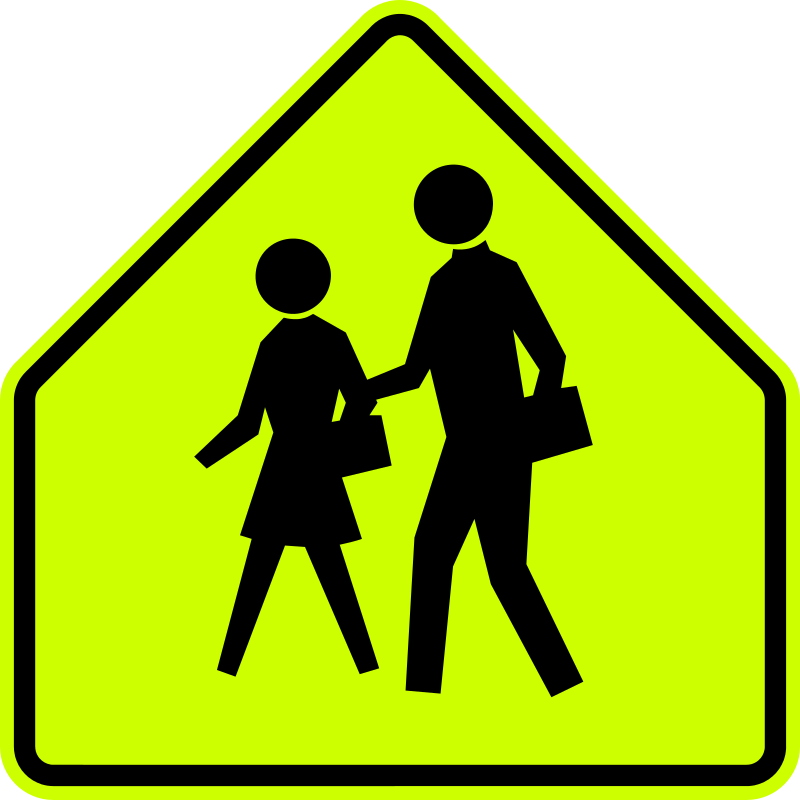
Five-sided pentagon sign indicating an upcoming school area. Watch for children crossing, school buses, and observe posted reduced school speed limits.
This sign means:
A) Business area nearby. Watch for business people.
B) There is a work zone ahead. Watch for workers.
C) The driver is near a school and should watch for children.
2.
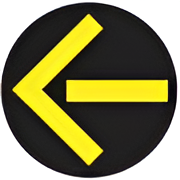
Unprotected left turns are allowed. You may turn left after yielding to oncoming traffic and pedestrians crossing the street.
What does a yellow arrow signal mean?
A) The same as the yellow light, but applies only to movement in the direction of the arrow.
B) The same as a green light.
C) Vehicles moving in all directions must stop if they can. The light will soon be red.
3.
Warns drivers that two separate lanes moving in the same direction are merging into one. Drivers in the right lane must adjust speed and merge smoothly with existing traffic.
This road sign means:
A) Merging traffic from the right
B) Sharp curves ahead
C) Intersection ahead
4.
If your brakes are wet, you can dry them by:
A) riding the pedal lightly.
B) pull over to the right and wait until it stops raining.
C) having them checked by a mechanic.
5.
Drinking alcohol:
A) has no effect on either judgement or driving ability.
B) has no effect on driving ability but affects your judgement.
C) harms both judgement and driving skills.
6.
The golden rule of driving is to:
A) treat others the way you want to be treated.
B) put on your emergency flashers when driving at night.
C) drive faster than the vehicle behind you.
7.
You hear a siren close by but can not see where the emergency vehicle is. What do you do?
A) Keep driving until you are sure the emergency vehicle is headed toward you.
B) Stop immediately and activate your emergency flashers.
C) Pull over to the right side of the road and stop until you are sure the emergency vehicle is not headed toward you.
8.
To see vehicles in your blind spots, you must look:
A) in your outside rearview mirror.
B) over your shoulders.
C) in your side mirrors.
9.
Warns drivers that two separate lanes moving in the same direction are merging into one. Drivers in the right lane must adjust speed and merge smoothly with existing traffic.
This road sign means:
A) Winding Road Ahead
B) Persons with Disabilities Parking
C) Merge
10.
Night driving can be more difficult because:
A) vehicle speed and distance are harder to judge.
B) there are more cars on the roads at night.
C) the speed limit is increased at night.
11.
If you continually pass the other vehicles on a road with one lane in each direction, you will:
A) help prevent the chances of a crash occurring due to traffic congestion.
B) get to your destination much faster.
C) increase your chances of being involved in an accident.
12.
If you've had a few beers, the effects of alcohol will be reduced only by:
A) waiting several hours.
B) taking a cold shower.
C) getting a cup of coffee.
13.
Which of the following road surfaces freezes first when wet?
A) Bridges and overpasses.
B) Roundabouts.
C) Tunnels.
14.
When driving on the freeway behind large trucks, you should:
A) move to the right of the truck and pass it quickly.
B) drive closer behind the truck than for a passenger vehicle.
C) increase your following distance.
15.
What is the first thing to do when you make a three-point turn?
A) Signal with your left turn signal, then check carefully for traffic coming toward you.
B) Signal with your right turn signal, then pull over to the right and stop.
C) Turn left, go across the road so you come to a stop while you face the edge of the road.
16.
If a tire suddenly blows out while you are driving, you should:
A) apply the brakes firmly.
B) slow down gradually and brake lightly.
C) pump the brakes rapidly.
17.
When merging onto an interstate highway, drivers should:
A) always stop before entering the highway.
B) select a safe gap and merge into the lane of traffic.
C) turn on their emergency flashers right before merging.
18.
If your vehicle has a mechanical problem, you should:
A) signal and pull into the slow lane.
B) stop in your lane and put on your emergency flashers.
C) turn on your hazard lights and pull off the road.
19.
Speed limit signs are:
A) service signs
B) regulation signs (regulatory signs)
C) warning signs
20.
Where must you position your vehicle when you prepare to make a left turn from a two-way roadway into a one-way roadway?
A) As far to the right as possible.
B) On the right curb.
C) As close as possible to the center line.
21.
A steep downhill grade is ahead. Trucks and heavy vehicles should downshift to a lower gear to prevent brake overheating.
This road sign means:
A) Watch for trucks entering from the side
B) Merging traffic
C) Steep hill
22.
You should always travel:
A) at the speed of the vehicle behind.
B) according to weather and road conditions.
C) at the speed limit.
23.
A side road enters the highway from the right or left. Watch for traffic turning onto or crossing your lane.
This is:
A) a side road sign.
B) a merging traffic sign.
C) a right curve sign.
24.
If the driver of an oncoming vehicle fails to dim the lights, you should look:
A) toward the right side of the road.
B) toward the center of the roadway.
C) straight ahead.
25.
Another road crosses the highway ahead. Look left and right for crossing or entering vehicles.
This road sign means:
A) Warning, crossroad ahead
B) All traffic must turn
C) Yield sign ahead
26.
If a tire blows out, drivers should:
A) apply the brake firmly and hold it.
B) hold the steering wheel tightly and use the brakes lightly.
C) pull over quickly.
27.
The roadway becomes particularly slippery during wet or rainy conditions. Reduce your speed, increase following distance, and avoid abrupt braking or steering.
This road sign means:
A) Winding road
B) Side road ahead
C) Slippery when wet
28.
Driver arm extended downward out the left window with palm facing rearward signals an intention to slow down or stop completely.
This signal means:
A) Stop
B) Move to the left
C) Slow down
D) Proceed
29.
Driver distractions include:
A) Avoiding unnecessary lane changes.
B) Slowing down to look at crash scene.
C) turning your headlights on when rain and fog make it hard to see.
30.
To reduce road rage, you should:
A) always signal your intention when changing lanes.
B) use your horn frequently to warn other drivers.
C) talk on your cell phone while driving.
31.
The road ahead is divided by a median strip or physical barrier into two separate one-way roadways. Keep to the right of the divider.
This road sign means:
A) Divided highway ahead
B) Merging traffic
C) Flagger ahead
32.
Which shape is a yield sign?
A) Vertical rectangle
B) Upside-down triangle
C) Diamond
33.
If a pedestrian is in the middle of the street when your signal light changes to green, you should:
A) proceed unless the pedestrian is in your lane.
B) proceed because you have the right-of-way.
C) wait until the pedestrian crosses the street before proceeding.
34.
Right turns are strictly prohibited at this intersection under all circumstances.
This road sign means:
A) No left turn
B) No right turn
C) No U-turns
35.
Drivers may cross a double yellow line to pass another vehicle if:
A) the yellow line next to the other side of the road is broken.
B) the vehicle ahead moves to the right to let them pass.
C) the yellow line next to their side of the road is broken.
36.
__________ are blue with white letters and symbols.
A) Warning signs
B) Service signs
C) Destination signs (guide signs)
37.
Sudden wind gusts on highways:
A) are generally caused by dust and dirt blowing around.
B) can cause one to lose control of their vehicle.
C) only affect large vehicles.
38.
Before making a left turn from a one-way street, you must:
A) be in the lane closest to the left curb.
B) be in the lane closest to the right curb.
C) be in the lane closest to the center of the street.
39.
The road ahead is divided by a median strip or physical barrier into two separate one-way roadways. Keep to the right of the divider.
This road sign means:
A) Keep left
B) Divided highway begins
C) Lane ends
40.
A large vehicle is backing up to unload goods. You should:
A) enter one of the blind spots and wait.
B) try to pass close behind.
C) be patient and wait until the large vehicle has completed its backup maneuver.
41.
Directions given by traffic officers ___________ signs, signals or pavement markings.
A) take precedence over
B) are less important than
C) must obey
42.
When preparing to exit an expressway, drivers should start reducing their speed:
A) about halfway through the deceleration lane.
B) immediately upon entering the deceleration lane.
C) at least 100 feet before entering the deceleration lane.
43.
The road makes a sharp 90-degree right turn ahead. Slow down considerably before entering the turn.
This sign warns drivers of:
A) a side road.
B) a sharp turn.
C) a cross road.
44.
When entering a freeway, you should check traffic by:
A) using both the inside and outside mirrors.
B) using the inside mirror.
C) using the side mirror and looking over your shoulder.
45.
Just like alcohol and other drugs, drowsiness can:
A) help you to be a better driver.
B) make you feel better.
C) impair your judgment.
46.
You are entering a roadway from a private road, and you need to turn left. You have to yield to:
A) vehicles from the right.
B) vehicles from the left.
C) vehicles from both directions.
47.
Vehicles stopped behind a school bus when the red lights are flashing must remain stopped until:
A) the flashing lights turn green.
B) the stop arm is retracted and the bus begins moving.
C) all students are off the bus.
48.
Warns drivers that two separate lanes moving in the same direction are merging into one. Drivers in the right lane must adjust speed and merge smoothly with existing traffic.
When you see a 'merging traffic' sign on the freeway, you should:
A) slow down to allow traffic to enter.
B) move to another lane to let traffic enter, if safe.
C) speed up to avoid congesting traffic.
49.
When changing lanes, drivers should never:
A) check to see if other drivers are moving into the same lane.
B) change lanes abruptly.
C) glance over their shoulder to check for blind spots.
50.
A yellow arrow on a traffic signal means:
A) Drivers are not required to signal before turning from that lane.
B) Be prepared to stop and give the right-of-way to oncoming vehicles.
C) Increase your speed to make the turn before the light changes.
ANSWER KEY Check answers after completing the test.
1 C
2 A
3 A
4 A
5 C
6 A
7 C
8 B
9 C
10 A
11 C
12 A
13 A
14 C
15 B
16 B
17 B
18 C
19 B
20 C
21 C
22 B
23 A
24 A
25 A
26 B
27 C
28 A
29 B
30 A
31 A
32 B
33 C
34 B
35 C
36 B
37 B
38 A
39 B
40 C
41 A
42 B
43 B
44 C
45 C
46 C
47 B
48 B
49 B
50 B