DriveQuiz drivequiz.com

WY DMV PERMİT PRACTİCE TEST 2

Wyoming
Duration: 45 min
|
Questions: 50
Student Name:
Date:
Correct:      Incorrect:      Score:      
1.
When the traffic light is green, but traffic is blocking the intersection, drivers should:
A) enter the intersection and wait for traffic to clear.
B) not enter the intersection until they can get completely across.
C) honk their horn to establish their right-of-way.
2.
Regulation signs normally are:
A) white triangles.
B) green rectangles.
C) white rectangles.
3.
Two motorcyclists are allowed to:
A) ride side-by-side in a single lane.
B) share the lane with another vehicle.
C) race on empty roads.
4.
Flashing Upraised Hand signal indicates pedestrians should finish crossing if already in the crosswalk, but not start crossing.
What does the flashing signal in the picture indicate?
A) The same thing as a stop sign.
B) Pedestrians should finish crossing the street if started.
C) Pedestrians should start crossing the street.
5.
Road signs that point out scenic areas and parks are:
A) brown and white.
B) black and orange.
C) green and white.
6.
If your front wheels start to skid, the first thing you should do is:
A) Take your foot off the gas pedal and shift to neutral.
B) Immediately turn in the direction you want to go.
C) Speed up, pump your brakes and steer in the direction the vehicle is trying to go.
7.
When a school bus is picking up or dropping off children, you must:
A) slow down and pass the bus with caution.
B) stop if you are driving in the same direction.
C) stop regardless of your direction of travel.
8.
A crosswalk is:
A) a special type of 4-way intersection.
B) an area designated for blind persons.
C) the area where pedestrians may cross the road.
9.
Which of the following must you obey over the others?
A) Red light
B) Stop sign
C) Police officer
10.
Indicates an upcoming bicycle crossing or shared road zone. Always leave at least 3 feet of clearance when passing cyclists.
This road sign means:
A) Bicycle crossing
B) Bicycles have the right-of-way
C) This lane is reserved for bicyclists
11.
To avoid traction loss from hydroplaning, drivers should:
A) keep a constant speed.
B) apply the brakes as soon as the car starts to skid.
C) slow down.
12.
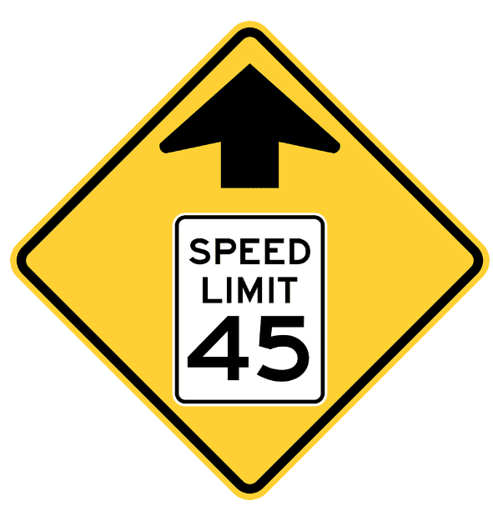
Recommended safe maximum driving speed in ideal conditions for an upcoming curve, ramp, or hazardous stretch of road.
This warning sign:
A) provides advance notice to upcoming speed limit change.
B) shows the current speed limit that all vehicles traveling in the direction of the arrow must not exceed.
C) indicates the suggested highest safe speed.
13.
The road ahead is divided by a median strip or physical barrier into two separate one-way roadways. Keep to the right of the divider.
This road sign means:
A) Divided highway ahead - stay to the right
B) Do not enter
C) Do not pass
14.
You may drive faster than the posted speed limit:
A) when passing another vehicle, as long as it is safe to do so.
B) when your lane is empty.
C) Under no circumstances.
15.
Bicyclists must:
A) ride in a bicycle lane, if available.
B) remain to the right when they prepare for a left turn.
C) remain near the left edge of the road.
16.
What should you do if your vision through the windshield becomes blocked?
A) Pull your vehicle off the road and park it.
B) Turn on your emergency lights.
C) Open the side window so you can see.
D) All of the above.
17.
Are drivers allowed to exceed the speed limit to pass other vehicles?
A) Yes, but only by 10 MPH or less.
B) No.
C) Yes, but only if they drive with caution.
18.
Indicates that traffic is permitted to pass on either the left or the right side of an island, median, or obstruction.
This road sign tells drivers that:
A) they must change lane immediately.
B) they must turn either to the right or left.
C) the one-way street or roadway ahead ends.
D) None of the above.
19.
The roadway ahead is narrowing or a lane is ending. Merge smoothly into the continuing lane.
This sign warns that:
A) traffic must merge left.
B) the bridge ahead is wide enough for only one vehicle at a time.
C) traffic must merge right.
20.
Never make a U-turn from:
A) the lane you’re in.
B) the right lane.
C) the left part of the lane nearest to the centerline of the roadway.
21.
Diamond-shaped signs:
A) are used to warn of hazards on roadways.
B) indicate no pass zones.
C) typically provide guidance to drivers.
22.
A diamond-shaped sign is a:
A) school zone sign.
B) warning sign.
C) regulatory sign.
23.
The bridge ahead has narrower lanes or shoulders than the preceding road. Use caution when meeting oncoming vehicles.
This sign warns drivers of:
A) low clearance.
B) a narrow bridge ahead.
C) a low place in the road.
24.
When passing a vehicle, it is safe to return to your lane when:
A) you look over your shoulder and see no vehicle behind you.
B) you can see both headlights of the vehicle you passed in your rearview mirror.
C) the driver you just passed signals you over.
25.
When being passed by another vehicle, drivers should:
A) slow down.
B) slightly increase their speed.
C) maintain a constant speed.
26.
You are considered to be driving under the influence when your blood alcohol concentration (BAC) is ____ or more.
A) 0.05%
B) 0.08%
C) 0.8%
27.
The yield sign is ___ and white, with ___ letters.
A) yellow; black
B) red; red
C) red; white
28.
Warns that a one-way street or divided highway is ending, and you are entering a roadway with oncoming traffic in the opposing lane. Stay to the right.
This road sign means:
A) Divided highway ahead
B) Two-way traffic ahead
C) Four-lane traffic ahead
29.
Parking is permitted only during specified hours and days as posted on the sign. Vehicles parked outside these hours are subject to ticketing or towing.
This sign means:
A) You can only park between 8:30 AM and 5:30 PM.
B) Parking is not allowed at 8:30 AM and at 5:30 PM
C) No parking between 8:30 AM and 5:30 PM.
30.
In 55 MPH traffic you are least likely to be involved in a collision if you:
A) stay within that speed range.
B) drive a few MPH faster than most.
C) drive a few MPH slower than most.
31.
Warns of an extremely sharp 180-degree curve ahead. Decelerate significantly before entering the turn.
This sign means:
A) Hairpin corner ahead.
B) Warning: U-turn ahead.
C) Sharp right turn ahead.
32.
To prevent a fatigue-related crash while driving:
A) find a safe parking area to take a 15 to 20 minute nap.
B) drive at night when there are not as many vehicles on the roadway.
C) continue driving so you will reach your destination sooner.
33.
A sharp curve is ahead with a recommended safe speed plate. Slow down before entering the curve to prevent vehicle rollover.
This sign indicates that:
A) the highest safe speed drivers should travel around the curve ahead is 25 MPH.
B) the safe speed around the curve ahead is at least 25 MPH.
C) drivers may not turn right if traveling at 25 MPH or less.
34.
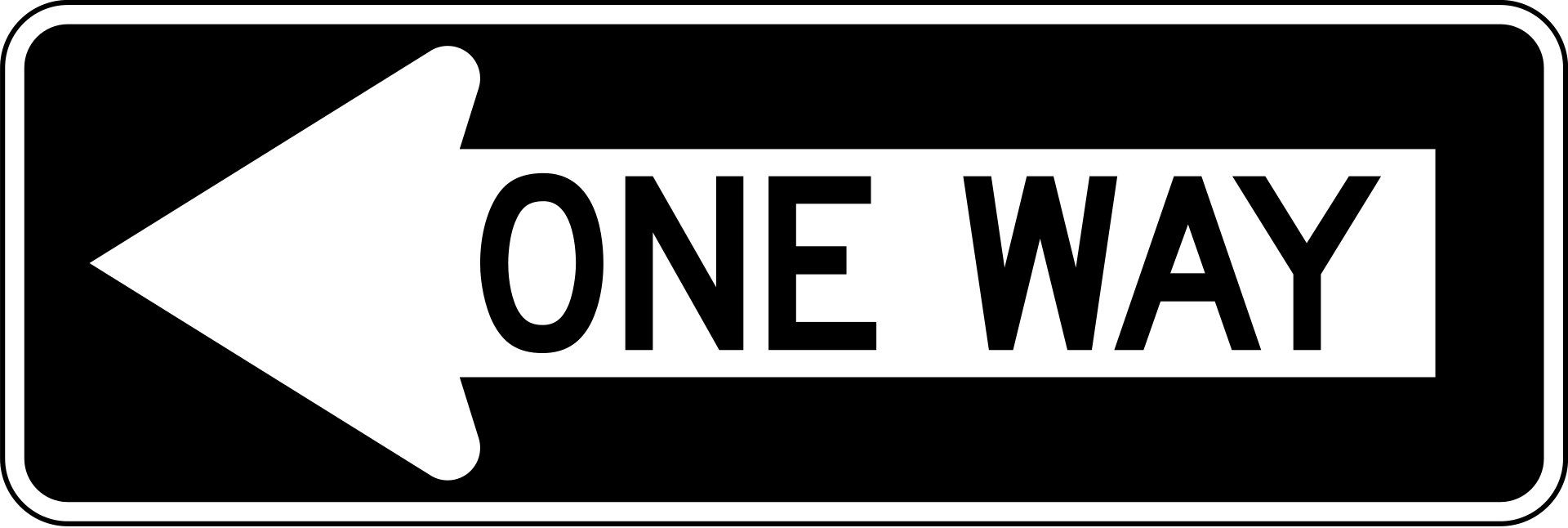
Traffic flows only in the direction indicated by the arrow. Never drive in the opposing direction.
The ‘One Way’ sign means that:
A) only vehicles turning left may travel in the direction of the arrow.
B) there is only one road that turns left at the intersection.
C) drivers may travel only in the direction of the arrow.
35.
After passing a vehicle, it is safe to return to your lane when:
A) the driver you passed slows down to let you return to your lane.
B) you can see both headlights of the vehicle you just passed in your rearview mirror.
C) you are at least 100 feet ahead of the vehicle you passed.
36.
The road ahead is divided by a median strip or physical barrier into two separate one-way roadways. Keep to the right of the divider.
This sign means:
A) Divided highway ahead.
B) Divided highway ends.
C) Drivers will soon be on a roadway with two-way traffic.
37.
Alerts drivers to a major crossroads intersection ahead. Watch for vehicles entering or crossing the roadway.
This road sign means:
A) Drivers may proceed if the way is clear
B) Drivers are about to enter a one way street the wrong way
C) U-turns are prohibited
38.
Are bicyclists required to obey traffic laws and signs?
A) No, bicyclists are considered pedestrians when it comes to the rules of the road.
B) Yes.
C) Yes, but only if they are riding in a bicycle lane.
39.
If the entrance lane is too short to allow acceleration to highway speed, you should:
A) go to the next entrance ramp.
B) stop and wait for a large gap in traffic, then enter the highway and accelerate quickly.
C) merge into highway traffic as soon as possible.
40.
Before a school bus stops to load passengers, the driver will usually flash:
A) yellow warning lights.
B) red warning lights.
C) red lights.
41.
When passing another vehicle, you should:
A) assume the other vehicle will maintain a constant speed.
B) check your mirrors and blind spots.
C) drive at the same speed as the vehicle you are passing.
42.
To keep the driver behind you at a safe distance you should:
A) keep a steady speed.
B) drive 5 MPH faster than the car behind.
C) drive 5 MPH slower than the car behind.
43.
Right turns are strictly prohibited at this intersection under all circumstances.
This road sign means:
A) Right turn is not permitted
B) Left turns are permitted
C) You may turn right after yielding the right-of-way to oncoming traffic
44.
On slippery roads, drivers should:
A) leave more space in front of their vehicle.
B) increase their speed to avoid hydroplaning.
C) come to a complete stop.
45.
If the vehicle you are driving starts to skid, you should:
A) brake lightly.
B) turn off the ignition.
C) stay off the brakes.
46.
You are driving in the far right lane of a four lane freeway and notice broken white lines on the left side of your lane. You are driving:
A) on the entrance ramp.
B) in a special lane for slow moving vehicles.
C) in an exit lane.
47.
When the road is slippery you should:
A) decrease the following distance.
B) slow and pro-ceed with caution.
C) check your brakes.
48.
Object marker used to mark obstacles or bridge abutments near the edge of the road to alert drivers at night.
When they see a yellow X signal, drivers should:
A) come to a complete stop at the marked stop line.
B) turn off the ignition.
C) prepare to leave the lane safely.
49.
Fatigue increases the risk of:
A) falling asleep while driving.
B) hitting a roadblock.
C) missing an exit.
50.
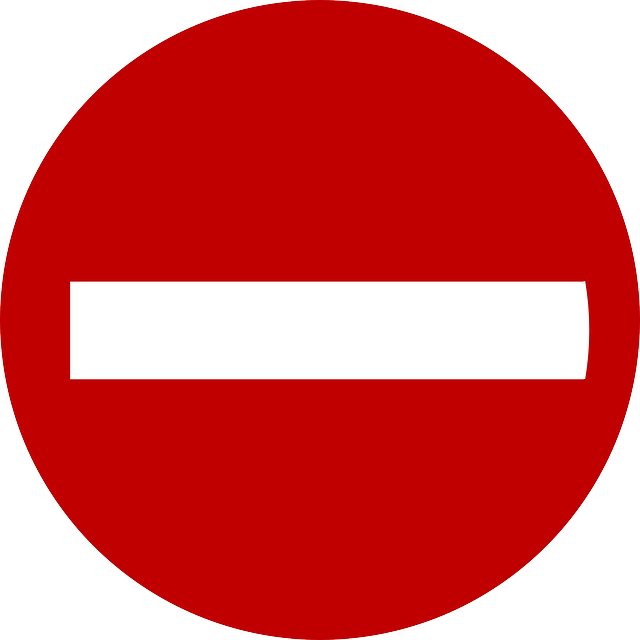
Indicates you have entered an exit ramp or one-way street in the incorrect direction. Stop immediately and safely turn around.
This road sign means:
A) No left turn
B) Lane ends
C) Do not enter
ANSWER KEY Check answers after completing the test.
1 B
2 C
3 A
4 B
5 A
6 A
7 C
8 C
9 C
10 A
11 C
12 A
13 A
14 C
15 A
16 D
17 B
18 B
19 A
20 B
21 A
22 B
23 B
24 B
25 C
26 B
27 B
28 B
29 C
30 A
31 A
32 A
33 A
34 C
35 B
36 A
37 B
38 B
39 B
40 A
41 B
42 A
43 A
44 A
45 C
46 C
47 B
48 C
49 A
50 C