DriveQuiz drivequiz.com

WI DMV PERMİT PRACTİCE TEST 3

Wisconsin
Duration: 45 min
|
Questions: 49
Student Name:
Date:
Correct:      Incorrect:      Score:      
1.
A red arrow on a traffic light means:
A) You may not turn in the direction of the arrow until a green light or arrow light goes on.
B) You may turn in in the direction of the arrow after coming to a complete stop.
C) You must stop and then proceed when the way is clear.
2.
What is the only effective method to reduce your BAC?
A) Eating before or while you drink.
B) Not drinking over a period of time.
C) Drinking coffee.
3.
When driving on a wet road:
A) as you drive faster, your tires may lose traction.
B) you must be aware that the pavement gets even more slippery when it's been raining for long periods of time.
C) you should follow the vehicle ahead of you more closely.
D) as you decrease your speed, the road becomes more slippery.
4.
When driving at night, you should slow down and:
A) use high beams whenever possible, but never when there's oncoming traffic.
B) use high beams until other drivers dim their lights.
C) follow the vehicle ahead more closely to avoid glare from oncoming headlights.
D) come to a complete stop whenever there's oncoming traffic.
5.
Blind spots are:
A) Dangerous intersection where the maximum speed limit is 15 MPH or less.
B) At night, the darkest areas of a road, where emergency flashers should be used.
C) Areas to the side or rear of a vehicle that the driver cannot see with use of mirrors.
6.
Indicates a two-way left-turn lane in the center of the road. Must only be used to make left turns or U-turns (where permitted), not for regular travel or passing.
This sign means:
A) The center lane is shared for left turns.
B) Left turns in both directions of travel are not permitted.
C) Vehicles may only turn left.
7.
Regulation signs normally are ____ rectangles with ____ letters or symbols.
A) yellow; black
B) white; black
C) green; white
8.
The road curves gradually to the right ahead. Reduce speed before entering the curve.
This road sign means:
A) Wrong Way
B) Merging Traffic
C) Curve ahead
9.
When driving you should look ________ down the road.
A) 10 to 15 seconds.
B) 1 to 2 blocks.
C) at least 200 yards.
10.
Slow down and give right-of-way to all oncoming vehicles, cyclists, and pedestrians. Stop completely if necessary before entering the intersection or merging.
The yield sign means:
A) Drive with caution in wet weather.
B) You must come to a complete stop.
C) Slow down and give vehicles crossing your path the right-of-way.
11.
Drivers must yield for emergency vehicles:
A) Never.
B) only when other vehicles yield.
C) when they see a flashing red or blue light or hear a siren.
D) None of the above.
12.
Prohibits drivers from making a 180-degree turn to travel in the opposite direction at this intersection or stretch of road.
This road sign means:
A) No left turn
B) No U-turn
C) Detour ahead
13.
What should you do when an aggressive driver confronts you?
A) Avoid eye contact with the aggressive driver.
B) Make eye contact.
C) Challenge the aggressive driver with increased speed.
14.
When you are in a line of traffic that is crossing a railroad track that has no signals or gates:
A) you may pass slower drivers crossing the track.
B) before you start to cross, you need to make sure there is space to get all the way across the tracks without stopping.
C) you have the right of way and do not need to check for trains.
D) All of the above.
15.
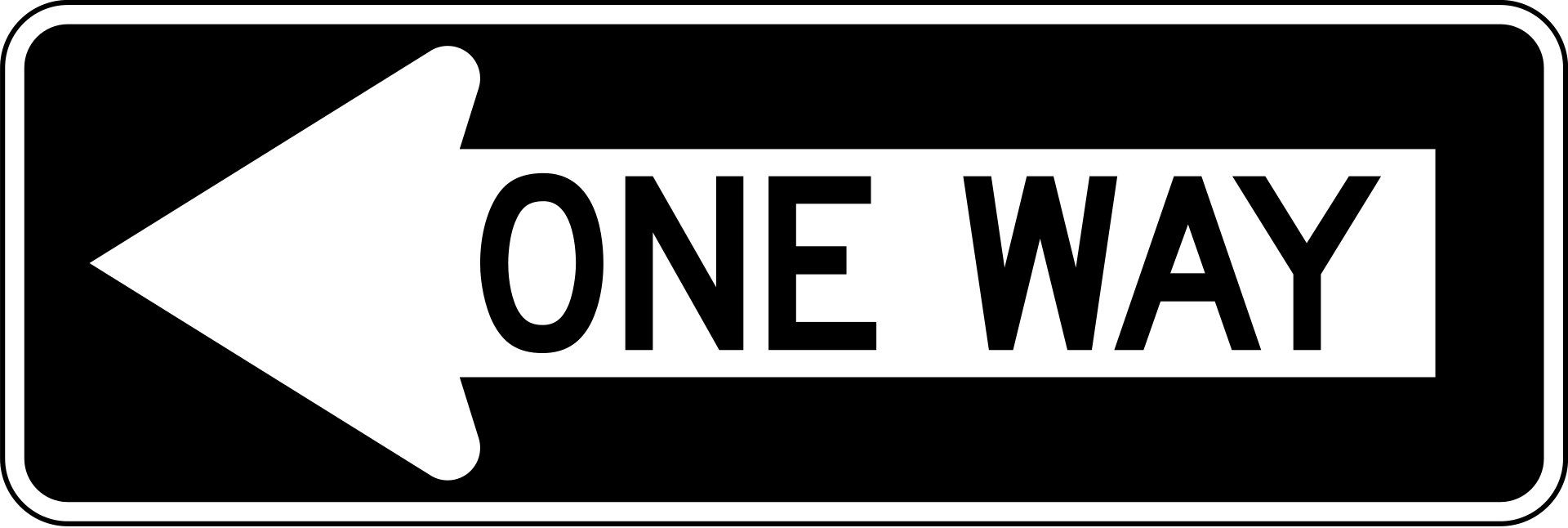
Traffic flows only in the direction indicated by the arrow. Never drive in the opposing direction.
The ‘One Way’ sign means that:
A) only vehicles turning left may travel in the direction of the arrow.
B) there is only one road that turns left at the intersection.
C) drivers may travel only in the direction of the arrow.
16.
Excessive speed:
A) helps you to maneuver around obstacles.
B) saves time so you can get to your destination more quickly.
C) increases the likelihood of serious bodily injuries and death.
17.
A large vehicle is backing up to unload goods. You should:
A) enter one of the blind spots and wait.
B) try to pass close behind.
C) be patient and wait until the large vehicle has completed its backup maneuver.
18.
Before you change lanes, you should:
A) look for other traffic by turning your head and looking behind you for oncoming traffic.
B) check your left mirror.
C) keep other vehicles out of your blind spots.
19.
To avoid hydroplaning you should:
A) keep your tires properly inflated.
B) slow down when roads are wet.
C) All of the above.
20.
To pass a bicyclist traveling in the same direction on a two-lane road without bicycle lanes, you should:
A) continue driving straight, it is the bicyclist’s responsibility to get out of your way.
B) slow down and wait until there is no oncoming traffic, then pass the bicyclist leaving him or her sufficient space.
C) honk at the bicyclist to let him or her know you are about to pass.
D) not pass the bicyclist until you come to a traffic signal or stop sign.
21.
Drivers must be prepared for anything coming up in the road ahead. They should:
A) scan the road for traffic conditions and possible hazards.
B) drive with the right foot resting lightly on the brake pedal.
C) stare straight ahead at all times.
D) maintain focus toward the left of the road.
22.
You should use your horn:
A) when another driver makes a mistake.
B) to encourage others to drive faster.
C) whenever it will help prevent a crash.
23.
Reflective orange triangle displayed on vehicles traveling at 25 MPH or slower (such as farm tractors or construction machinery). Approach with caution and pass safely.
The sign in the picture:
A) is a Construction and Maintenance Traffic Control sign.
B) is found at most intersections and indicates that drivers must yield to other vehicles.
C) is displayed on the rear of slow moving vehicles.
24.
A steep downhill grade is ahead. Trucks and heavy vehicles should downshift to a lower gear to prevent brake overheating.
When they see this sign, drivers should:
A) be ready to brake sharply and stop.
B) be ready to shift to lower gear.
C) yield to trucks coming from the hill on the right.
25.
You ________ traffic headed toward you when you turn left.
A) must not yield to
B) must interrupt
C) must yield to
26.
A red traffic sign means?
A) Do not enter.
B) Stop.
C) All of the above.
27.
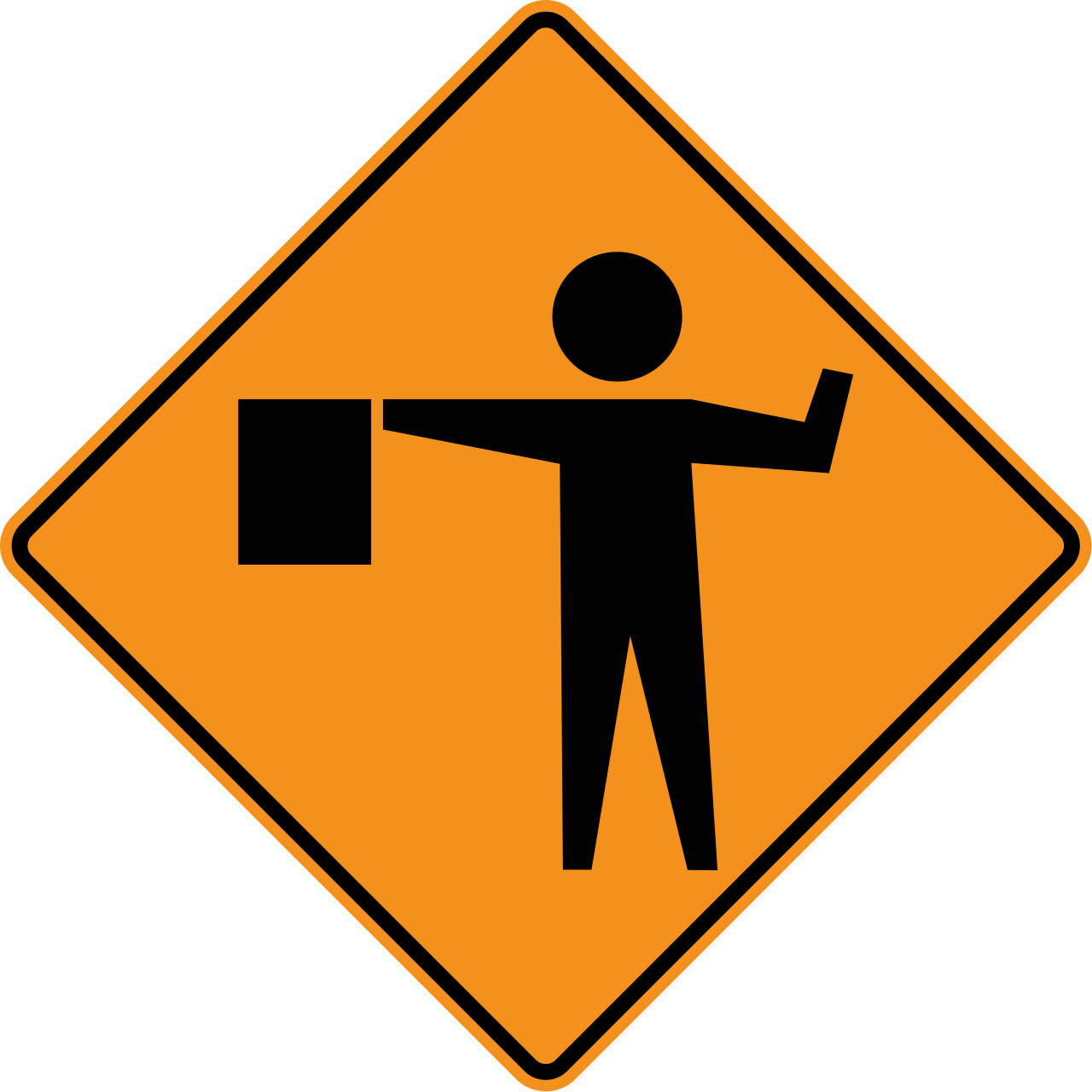
A human traffic control flagger is stationed ahead in a construction or utility work zone. Follow their hand and paddle signals strictly.
This road sign means:
A) Right lane closed
B) Do not block intersection
C) Flagger ahead
28.
If you drink alcohol socially, what helps insure safe driving?
A) Stop drinking one hour before driving.
B) Drink coffee before driving.
C) Take a cold shower before driving.
D) Ride home with a friend who has not been drinking.
29.
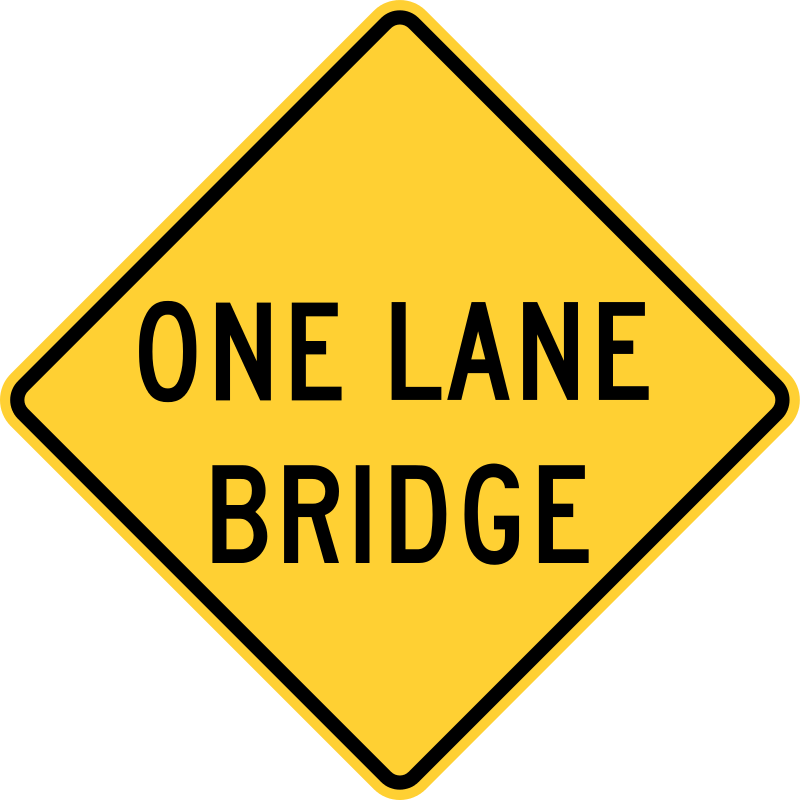
The bridge width allows only one vehicle to cross at a time. The vehicle reaching the bridge first has right-of-way; opposing traffic must wait.
What should drivers do when they see this sign?
A) Make sure the bridge is clear of oncoming traffic before they cross.
B) Look to the left and right for other traffic.
C) Allow others to merge smoothly.
30.
If the entrance lane is too short to allow acceleration to expressway speed, you should:
A) stop and wait for a large space in traffic.
B) enter the expressway and accelerate quickly.
C) reduce your speed to 15 MPH or less and blend with traffic.
31.
Parking is not allowed:
A) in an intersection, unless permitted by signs.
B) within 300 feet of a pedestrian safety area.
C) on public roads
32.
If your turn signals fail, you should use _____ to indicate your intention to turn.
A) your emergency flashers
B) your horn
C) your high beams
D) hand signals
33.
This lane is exclusively designated for making U-turns. Through traffic and right turns are not allowed from this lane.
This sign means:
A) You may make a U-turn.
B) Hairpin corner ahead.
C) You must make a U-turn.
34.
Which shape is a stop sign?
A) Diamond
B) Octagon
C) Upside-down triangle
35.
The bridge ahead has narrower lanes or shoulders than the preceding road. Use caution when meeting oncoming vehicles.
This sign warns drivers of:
A) a reduction of lanes.
B) a dip in the road. Drivers should be ready to stop if the dip is filled with water.
C) a bridge ahead, wide enough to accommodate two lanes of traffic, but with very little clearance.
36.
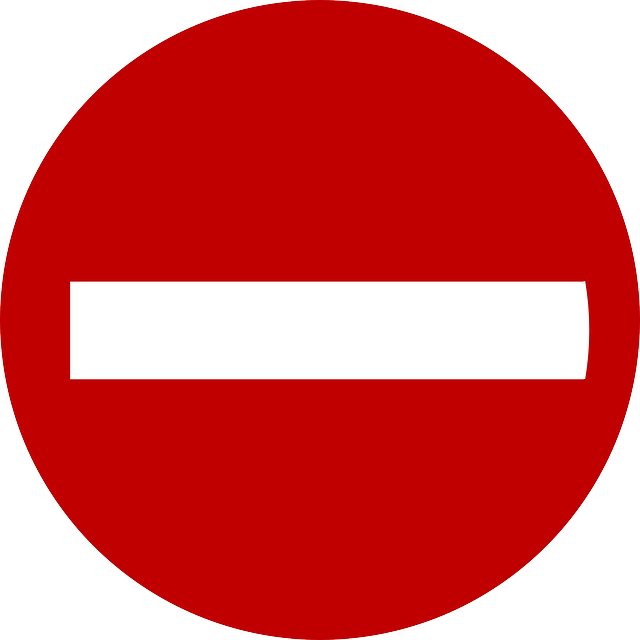
Indicates you have entered an exit ramp or one-way street in the incorrect direction. Stop immediately and safely turn around.
This road sign means:
A) No left turn
B) Lane ends
C) Do not enter
37.
Diamond-shaped signs:
A) are used to warn of hazards on roadways.
B) indicate no pass zones.
C) typically provide guidance to drivers.
38.
Alerts drivers to an upcoming crosswalk where pedestrians frequently cross. Slow down and yield right-of-way to anyone in or about to enter the roadway.
This sign is a warning that you are approaching:
A) a railroad crossing.
B) a crosswalk.
C) a dead-end street.
39.
Prohibits drivers from making a 180-degree turn to travel in the opposite direction at this intersection or stretch of road.
The picture shows a _________ sign.
A) no U-turn
B) no left turn
C) sharp turn
40.
Drinking alcohol while taking drugs can:
A) have a less pronounced effect than either taken separately.
B) have a more pronounced effect than either taken separately.
C) improves concentration.
D) improve your driving performance.
41.
What is the slow moving vehicle symbol?
A) A reflective yellow diamond
B) A reflective white triangle
C) A reflective orange triangle
42.
The amount of alcohol in the blood is measured by:
A) blood alcohol concentration (BAC).
B) Number of Drinks (NOC).
C) Amount of Alcohol Drunk (AAD).
43.
A steady yellow light at an intersection means:
A) Proceed with caution through the intersection
B) Slow down and be prepared to stop
C) Immediately come to a complete stop
D) Yield to other vehicles
44.
Before backing up, you should:
A) get off the car to see if it is clear to proceed.
B) rely on your mirrors to see if it is clear to proceed.
C) turn your head and look through the rear window.
D) flash your headlights.
45.
Before a school bus stops to load passengers, the driver will usually flash:
A) yellow warning lights.
B) red warning lights.
C) red lights.
46.
You may not pass another vehicle on either side of a _______ centerline.
A) solid or broken yellow
B) single broken white
C) double solid yellow
D) single broken yellow
47.
When driving in fog, drivers should use:
A) low beam headlights.
B) parking lights.
C) high beam headlights.
48.
Before turning left, it is important to:
A) swing to the right side of your lane.
B) sound your horn to warn the other drivers.
C) yield to oncoming vehicles.
D) flash your headlights to alert the other drivers.
49.
Which of the following substances can affect the ability to drive?
A) Tranquilizers and sedatives.
B) Cold tablets containing codeine or antihistamines.
C) All of the above.
ANSWER KEY Check answers after completing the test.
1 A
2 B
3 A
4 A
5 C
6 A
7 B
8 C
9 A
10 C
11 C
12 B
13 A
14 B
15 C
16 C
17 C
18 A
19 C
20 B
21 A
22 C
23 C
24 B
25 C
26 C
27 C
28 D
29 A
30 A
31 A
32 D
33 C
34 B
35 C
36 C
37 A
38 A
39 A
40 B
41 C
42 A
43 B
44 C
45 A
46 C
47 A
48 C
49 C