DriveQuiz drivequiz.com

WI DMV PERMİT PRACTİCE TEST 14

Wisconsin
Duration: 45 min
|
Questions: 50
Student Name:
Date:
Correct:      Incorrect:      Score:      
1.
If you are under 18 you have additional license restrictions for the first 9 months for:
A) the type and number of passengers that can be in your car.
B) the reasons you can drive between midnight and 5AM.
C) All of the above.
2.
Before passing another vehicle, you should signal:
A) early enough so other drivers know your intention.
B) after changing lanes.
C) at any time.
D) just before changing lanes.
3.
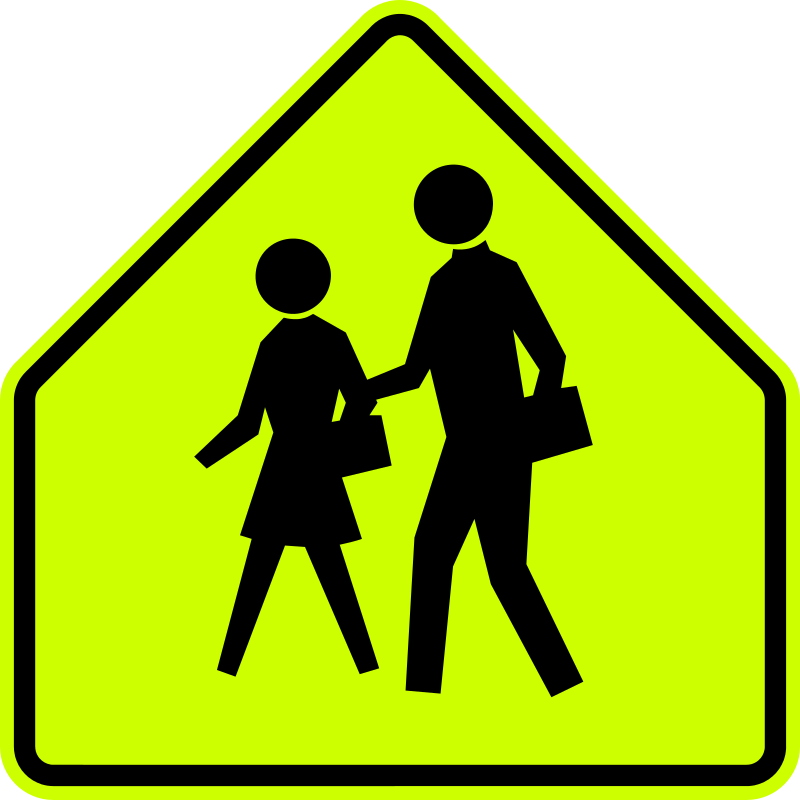
Five-sided pentagon sign indicating an upcoming school area. Watch for children crossing, school buses, and observe posted reduced school speed limits.
This road sign means:
A) School crossing
B) Playground ahead
C) Pedestrian crossing
4.
You are driving and you are feeling drowsy. You should:
A) avoid drinking coffee.
B) turn on the radio to keep you awake.
C) find a safe place to stop for a break.
5.
If you are stopped and the officer suspects you have been drinking:
A) you can refuse to take the test if you think you will fail.
B) you can refuse to take the test if you haven't been drinking.
C) you are required to take the test.
6.
If you approach a flashing red traffic light, you should treat the intersection the same as:
A) a yield sign.
B) a stop sign.
C) a warning sign.
7.
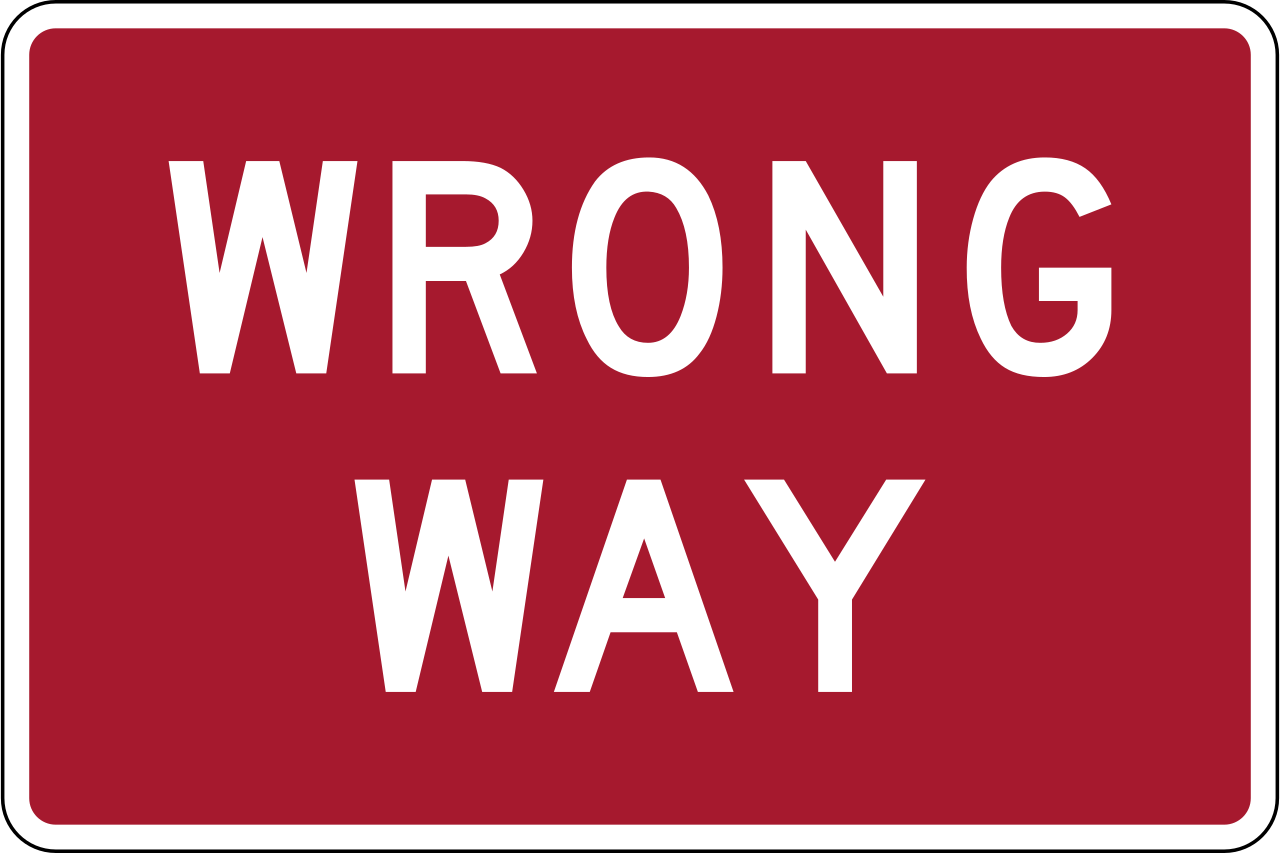
You are driving against the legal flow of traffic on a one-way street or freeway ramp. Immediately pull over, stop safely, and turn around when clear.
When drivers see this road sign:
A) they must come to a complete stop and call the police.
B) they must not drive past this sign.
C) they must turn around immediately.
8.
Which statement about drinking alcohol and driving is true?
A) Alcohol affects judgement and coordination, which are needed to drive safely.
B) After drinking, a cold shower will sober you up.
C) If you are under the legal BAC limit, your driving is not affected.
9.
Proceed with caution. You do not need to stop unless pedestrians or hazards are present in the intersection.
What does a flashing yellow light mean?
A) The same thing as a stop sign.
B) Drivers may move forward with caution.
C) All of the above.
10.
The roadway becomes particularly slippery during wet or rainy conditions. Reduce your speed, increase following distance, and avoid abrupt braking or steering.
This road sign means:
A) Winding road ahead
B) Warning, slippery when wet
C) Railroad Warning
D) Stop Sign Ahead
11.
If you become sleepy while driving you should:
A) get some rest or change drivers.
B) drink coffee.
C) open a window.
12.
When driving on slippery roads, drivers should:
A) increase their following distance.
B) avoid crossing bridges or intersections.
C) brake harder than usual.
D) change lanes quickly.
13.
Prohibits drivers from making a 180-degree turn to travel in the opposite direction at this intersection or stretch of road.
This road sign means:
A) No left turn
B) No U-turn
C) Detour ahead
14.
Most signs used in street work areas are:
A) round.
B) diamond shaped.
C) rectangle shaped.
15.
The recommended speed for backing is no faster than:
A) a slow jog.
B) a slow walk.
C) the vehicle behind you.
D) a slow run.
16.
At a stop sign there is no stop line or crosswalk. You must stop:
A) before you enter the intersection.
B) at the next crosswalk.
C) after you enter the intersection, if you have a clear view of traffic on the intersecting roadway.
17.
Alerts drivers to an upcoming crosswalk where pedestrians frequently cross. Slow down and yield right-of-way to anyone in or about to enter the roadway.
This sign means:
A) Railroad crossing
B) No Passing Zone
C) The road ends ahead
18.
Braking distance is affected by:
A) the condition of your brakes and tires.
B) pavement conditions.
C) the speed your vehicle is traveling.
D) All of the above.
19.
If another car has stopped in an adjacent lane in the same direction of travel, you should:
A) speed up and pass the vehicle on the right.
B) pass the car on the left.
C) be careful in case the other vehicle has stopped for a pedestrian.
D) tap your horn to let the other driver know you are passing.
20.
What should you do in case of a steering failure?
A) Pump your gas pedal a few times to increase the pressure.
B) Don't panic. Turn on your emergency lights to let other drivers know you are having car problems. Move toward the side of the road and bring the car to a gradual stop.
C) Leave the road immediately.
21.
Alerts drivers to an upcoming crosswalk where pedestrians frequently cross. Slow down and yield right-of-way to anyone in or about to enter the roadway.
This road sign means:
A) Railroad Crossing
B) One Way
C) Limited parking
22.
Double solid yellow lines mean:
A) the lane to the right may pass.
B) passing is not permitted in either direction.
C) the lane to the left may pass.
D) passing is permitted in either direction.
23.
When driving behind a motorcycle, drivers must:
A) remembers that motorcyclists have the right to use a complete traffic lane.
B) pass the motorcycle in the same lane.
C) drive on the shoulder beside the motorcycle.
D) share the lane with the motorcycle.
24.
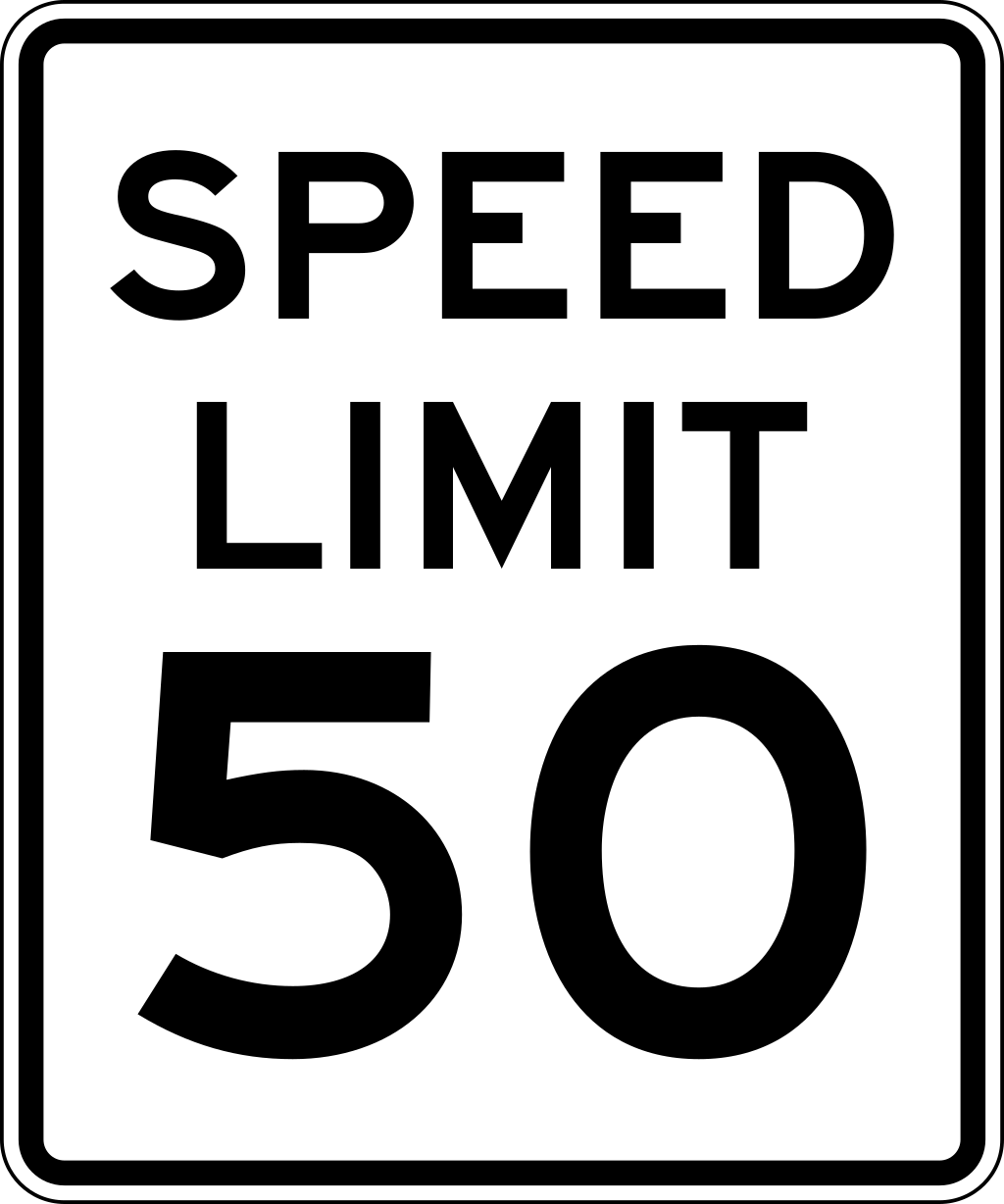
The maximum legal speed under ideal driving conditions is 50 miles per hour. Always adjust speed downward for adverse weather, traffic, or road conditions.
This road sign means:
A) You must travel at the speed indicated
B) The maximum speed limit under ideal conditions
C) None of the above
25.
Which signs have black letters on a yellow or orange background?
A) Warning signs (diamond)
B) Regulatory signs (vertical rectangle)
C) Railroad advance warning signs (round)
26.
Vehicle stopping distance never depends on:
A) the condition of your vehicle's brakes.
B) your own reaction time.
C) the time of day.
D) the condition and type of vehicle tires.
27.
If a driver follows you too closely, you should:
A) move to another lane if possible.
B) activate your stop lights.
C) brake suddenly.
28.
___________ normally are white rectangles with black letters or symbols.
A) Warning signs
B) Destination signs (guide signs)
C) Regulation signs (regulatory signs)
29.
Service signs are ____ with ____ letters and symbols.
A) blue; white
B) white; black
C) green; white
30.
Drivers may cross solid yellow lines:
A) at any time.
B) only to pass traffic moving in the same direction.
C) when making turns.
D) during daylight hours only.
31.
The roadway becomes particularly slippery during wet or rainy conditions. Reduce your speed, increase following distance, and avoid abrupt braking or steering.
This road sign means:
A) Slow down, slippery when wet
B) Detour ahead
C) Road curves ahead
32.
Blocking an intersection during rush hour traffic is not permitted:
A) under any circumstances.
B) unless you entered the intersection on a green light.
C) unless you have the right-of-way.
33.
Driving at night is more dangerous because:
A) the road is more slippery.
B) your reaction time is slower.
C) you cannot see as far ahead at night.
34.
When driving in normal conditions, drivers should check their rearview mirror for traffic behind them:
A) every 6-8 seconds.
B) every 3-4 seconds.
C) every 4-6 seconds.
D) every 4-5 seconds.
35.
Designated school crosswalk location. You must yield to all schoolchildren and pedestrians in the crossing.
When you approach this sign, you must:
A) stop if necessary.
B) watch for workers crossing the road.
C) None of the above.
36.
Roads are the most slippery:
A) the first rain after a dry spell.
B) after it has been raining for an hour or more.
C) for the first 2 hours of a rain storm.
37.
Your car stalls on the tracks at a railroad crossing, and a collision with a train is imminent. After getting yourself and your passengers out of the car, you should:
A) run toward the train but stay off the tracks.
B) signal the train to stop.
C) cross the tracks.
38.
What should drivers do when the red lights begin to flash?
A) Stop.
B) Yield.
C) Slow down.
39.
If you are blinded by headlights on an approaching vehicle, you should:
A) avoid looking directly at the bright lights.
B) glance toward the side of the road, then look quickly ahead to determine the other vehicle’s position.
C) All of the above.
40.
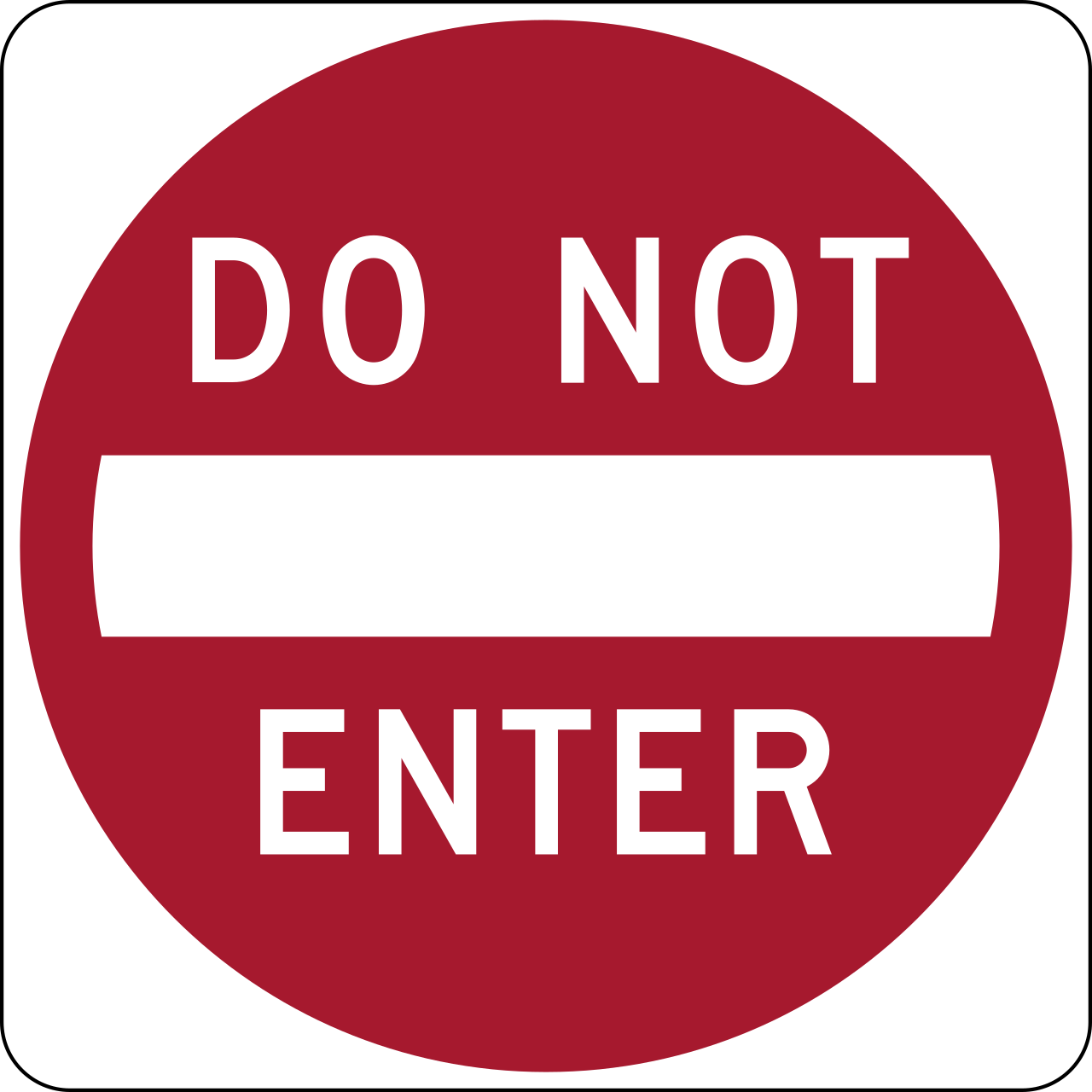
Marks a roadway or ramp where vehicular traffic is strictly forbidden to enter from your direction (such as freeway off-ramps or one-way streets).
This sign indicates:
A) that you must not drive past this sign.
B) that you must yield the right-of-way.
C) the entrance to a construction site.
D) the entrance to a dead-end street.
41.
When the traffic light is green, but traffic is blocking the intersection, drivers should:
A) enter the intersection and wait for traffic to clear.
B) not enter the intersection until they can get completely across.
C) honk their horn to establish their right-of-way.
42.
The road curves gradually to the right ahead. Reduce speed before entering the curve.
This sign means:
A) The road will curve to the right.
B) Left turns are not allowed at the intersection.
C) Do not turn right.
43.
When approaching a highway-rail intersection, the first sign drivers see is usually:
A) an RXR round sign on a yellow background.
B) a stop sign.
C) a yield sign.
44.
To avoid having to make an emergency stop while driving in traffic, drivers should:
A) drive in the right lane only.
B) look ahead and maintain a safe following distance.
C) sound their horn to warn other drivers.
D) drive slower than the flow of traffic.
45.
Which of the following drugs could affect your ability to drive?
A) A cold remedy.
B) Marijuana.
C) All of the above.
46.
When you need to enter a freeway exit ramp:
A) don't slow down on the freeway itself. Wait until you are in the deceleration lane.
B) pass slower vehicles on the right.
C) slow down before entering the exit ramp.
D) don't slow down on the freeway itself, and maintain your speed once in the exit ramp.
47.
Road signs that point out scenic areas and parks are:
A) brown and white.
B) black and orange.
C) green and white.
48.
If you remain in the back blind spot of a large vehicle:
A) you increase the chance of a crash.
B) the large vehicle will take much longer to stop.
C) you can reduce fuel consumption.
49.
Before changing to the left lane while driving in the right lane on a multiple lane highway, you should:
A) look over your left shoulder for vehicles on your left side.
B) look in your rearview mirror for vehicles behind you.
C) look in your side mirror for vehicles and turn on your signal light.
D) All of the above.
50.
Indicates an upcoming bicycle crossing or shared road zone. Always leave at least 3 feet of clearance when passing cyclists.
This road sign means:
A) Yield right-of-way to bicycles
B) Bicycles cross or ride beside traffic
C) Yield to motorcyles, but not to bicycles
D) Bicycles have the same rights as other vehicles
ANSWER KEY Check answers after completing the test.
1 C
2 A
3 A
4 C
5 C
6 B
7 C
8 A
9 B
10 B
11 A
12 A
13 B
14 B
15 B
16 A
17 A
18 D
19 C
20 B
21 A
22 B
23 A
24 B
25 A
26 C
27 A
28 C
29 A
30 C
31 A
32 A
33 C
34 A
35 A
36 A
37 A
38 A
39 C
40 A
41 B
42 A
43 A
44 B
45 C
46 A
47 A
48 A
49 D
50 B