DriveQuiz drivequiz.com

VT DMV PERMİT PRACTİCE TEST 6

Vermont
Duration: 18 min
|
Questions: 20
Student Name:
Date:
Correct:      Incorrect:      Score:      
1.
Because many crashes happen when a vehicle is turning left, drivers should:
A) slow down gradually while checking the rear view mirror.
B) move into the left lane of a multilane road.
C) yield to oncoming vehicles, bicyclists and pedestrians.
D) All of the above.
2.
A red traffic sign means?
A) Construction warning.
B) Railroad crossing.
C) Stop.
3.
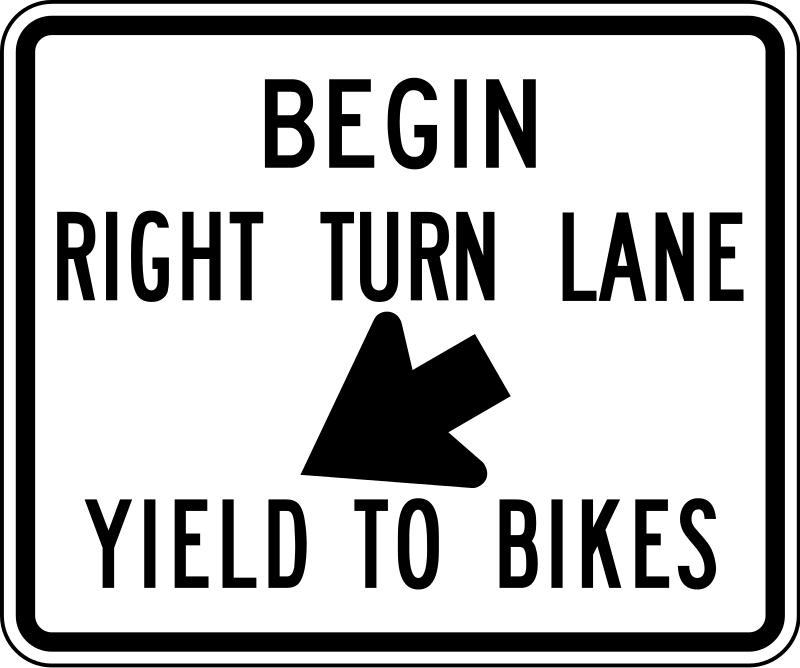
Drivers turning right must merge into the bike lane before turning, first checking mirrors and blind spots and yielding to all cyclists.
What does this road sign indicate?
A) Drivers have the right of way over bikes turning left.
B) Vehicles turning left must yield to bikes entering a right turn lane.
C) Motor vehicles entering an exclusive right-turn lane must weave across bicycle traffic in bicycle lanes.
4.
Warns of two consecutive curves in opposite directions (e.g., curves right then left). Slow down to maintain control.
This road sign means:
A) A road joins from the left
B) The road ahead turns sharply right then sharply left
C) Sharp right turn
D) Winding road ahead
5.
Alcohol causes:
A) poor judgment.
B) loss of concentration.
C) reduced perception.
D) All of the above.
6.
Traffic lights are normally ____________ from the top to bottom or left to right.
A) red, green and yellow
B) green, yellow and red
C) red, yellow and green
7.
Indicates the maximum bridge or underpass vertical clearance. Vehicles taller than the posted height must not proceed.
This sign means:
A) Narrow bridge ahead. Slow down and drive with caution.
B) Do not to enter if your vehicle is taller than the height listed on the sign.
C) No passing zone ahead.
8.
If you see a “lane closed ahead” sign you should:
A) make a U-turn. You are on the wrong side of the road.
B) merge into the correct lane when it is safe.
C) speed to the end of the closed lane and try to get into the other lane.
9.
Drivers approaching a green traffic light:
A) must yield to oncoming traffic before making a left hand turn.
B) always have the right of way.
C) must merge to the left, if possible.
D) must stop before proceeding through the intersection.
10.
A vehicle that enters a road from a driveway:
A) has the right-of-way.
B) must yield to traffic approaching from the right, while it has the right-of-way over vehicles approaching from the left.
C) must stop and yield the right-of-way to traffic on the roadway and to pedestrians.
11.
You must yield to other drivers:
A) when it helps to prevent collisions.
B) when they are driving a truck.
C) when the other drivers are on your left and you have reached an unmarked intersection at the same time.
D) when your traffic signal is a green.
12.
The roadway becomes particularly slippery during wet or rainy conditions. Reduce your speed, increase following distance, and avoid abrupt braking or steering.
This road sign means:
A) Winding road ahead
B) Warning, slippery when wet
C) Railroad Warning
D) Stop Sign Ahead
13.
When driving through a work zone you should:
A) closely follow the vehicle ahead.
B) slow down and pay extra attention.
C) pull over to the right side of the road and stop.
D) keep a 2-second following distance behind the vehicle in front.
14.
Come to a complete stop before the stop line, crosswalk, or intersection. Look left, right, and left again, and proceed only when it is safe and right-of-way is clear.
This road sign means:
A) Slow down or stop
B) Stop
C) Road narrows ahead
15.
Slow down and give right-of-way to all oncoming vehicles, cyclists, and pedestrians. Stop completely if necessary before entering the intersection or merging.
The yield sign means:
A) Go. The light will soon be red.
B) If the way is clear, you may move forward slowly without stopping.
C) Stop if you can.
16.
Motor crashes are caused by:
A) experienced drivers.
B) errors on the part of the driver.
C) wet pavement.
D) large trucks.
17.
If a vehicle is approaching with high beams, drivers should look __________ until the vehicle passes.
A) to the right of the road
B) at the center of the road
C) to the left of the road
D) straight ahead
18.
If your car breaks down on the highway, you should:
A) use your four-way flashers to warn other drivers.
B) sound your horn to warn passing vehicles.
C) flash your headlights at oncoming traffic.
D) stop in the right lane.
19.
The bridge ahead has narrower lanes or shoulders than the preceding road. Use caution when meeting oncoming vehicles.
This sign warns drivers of:
A) a reduction of lanes.
B) a dip in the road. Drivers should be ready to stop if the dip is filled with water.
C) a bridge ahead, wide enough to accommodate two lanes of traffic, but with very little clearance.
20.
An edge line that angles toward the center of the road indicates that:
A) the road is narrower ahead.
B) there’s a narrow bridge ahead.
C) you must turn right.
ANSWER KEY Check answers after completing the test.
1 D
2 C
3 C
4 B
5 D
6 C
7 B
8 B
9 A
10 C
11 A
12 B
13 B
14 B
15 B
16 B
17 A
18 A
19 C
20 A