←
Back to Test
Hide Answer Key
Print / Save as PDF
Print / PDF
drive
quiz
.com
VA DMV PERMİT PRACTİCE TEST 6
Virginia
Duration: 36 min
|
Questions: 40
Student Name:
Date:
Correct:
Incorrect:
Score:
1.

When drivers come to this sign, they must:
A)
be ready to stop at the stop sign.
B)
warn other drivers that a stop sign is ahead.
C)
brake sharply and come to a complete stop.
2.
This road sign means:
A)
School zone ahead
B)
Side road
C)
Construction zone ahead
D)
Sharp turn, slow down
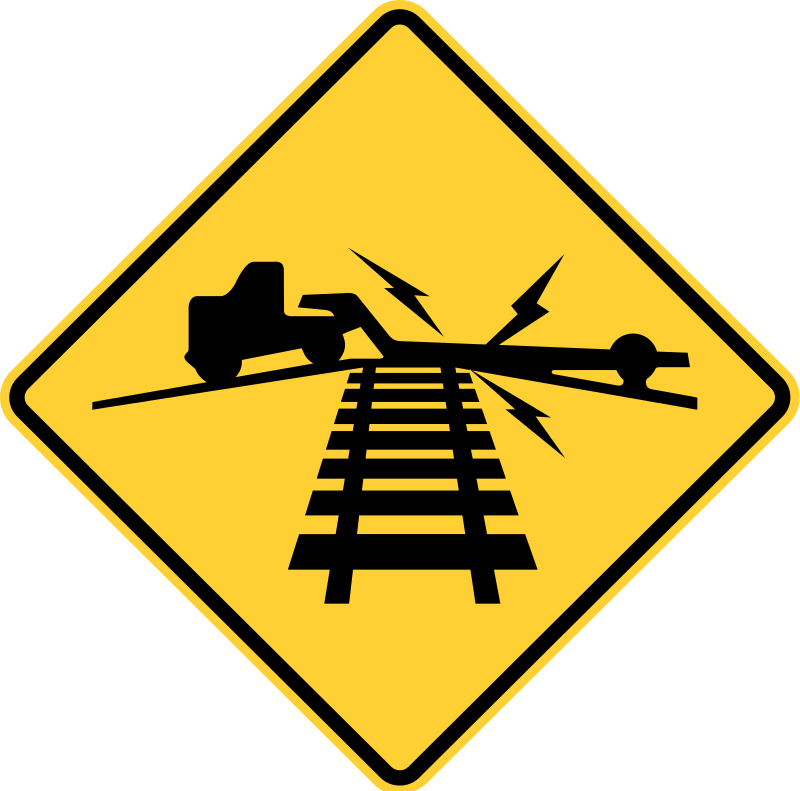
3.
This road sign means:
A)
Winding road ahead
B)
Pedestrian crossing
C)
Low ground railroad crossing
D)
No-passing zone
4.
The picture shows:
A)
a railroad advance warning sign.
B)
a speeding fines doubled sign.
C)
a reversible road sign.
5.
This sign means:
A)
No traffic signal ahead
B)
Traffic signal ahead
C)
Open intersection ahead
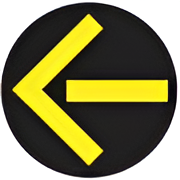
6.
What does a yellow arrow signal mean?
A)
The same as the yellow light, but applies only to movement in the direction of the arrow.
B)
The same as a green light.
C)
Vehicles moving in all directions must stop if they can. The light will soon be red.
7.
This road sign means:
A)
Merge
B)
Side Road
C)
Merging Traffic
D)
All traffic must go straight ahead
8.
This road sign means:
A)
The left lane ends soon
B)
one-way street ahead.
C)
The right lane ends soon
D)
Highway entrance ramp ahead
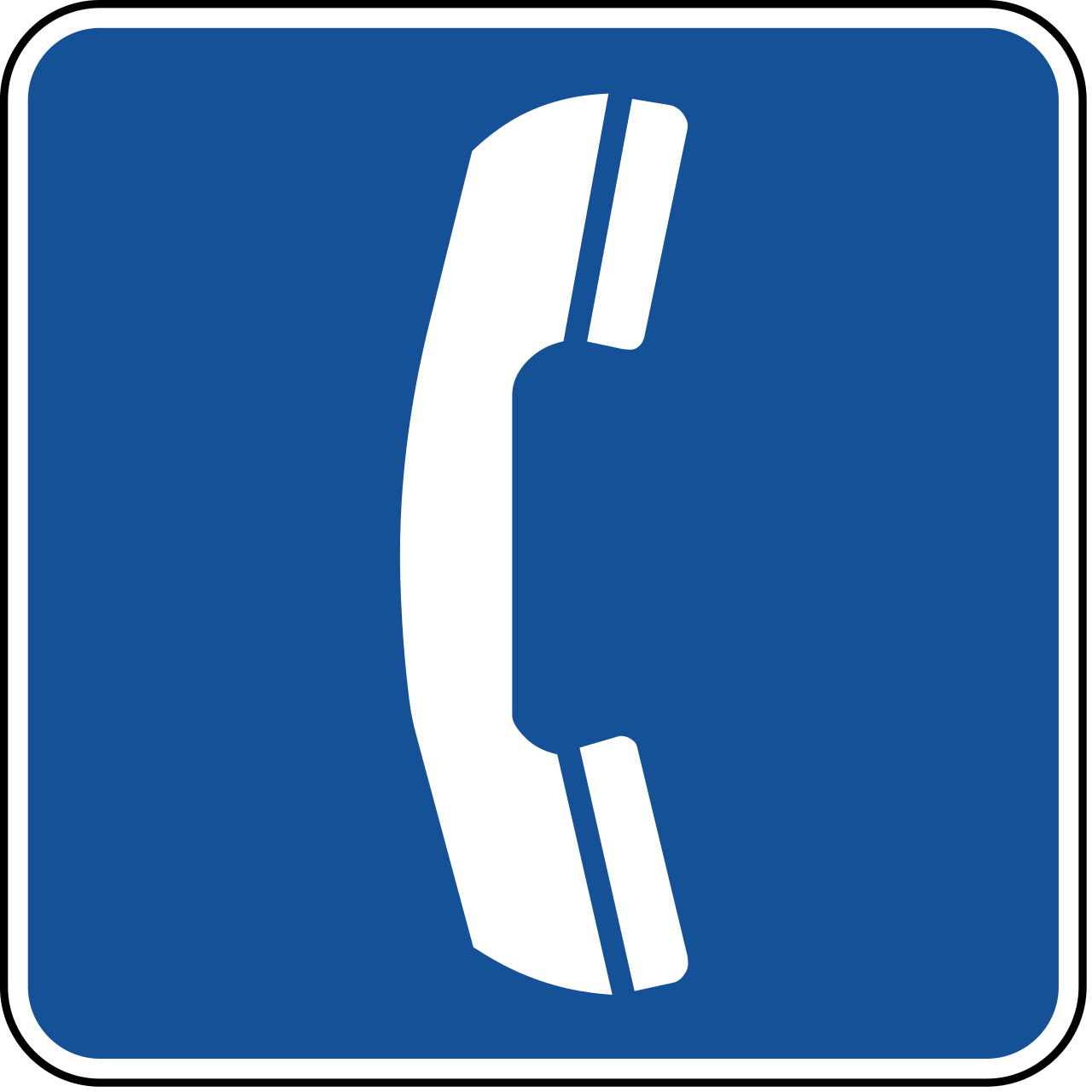
9.
This sign indicates:
A)
Phone service ahead
B)
Emergency line available
C)
Cell phone shop ahead
10.
What should drivers do when they see this road sign?
A)
come to a complete stop and wait for a train to cross.
B)
slow down, look for a train, and be prepared to stop.
C)
look for a human flagger.
11.
Double solid lines on the roadway mean:
A)
you cannot pass.
B)
you can not go across the lines except to turn left to enter or leave the highway.
C)
All of the above.
12.
Two motorcyclists are allowed to:
A)
ride side-by-side in a single lane.
B)
share the lane with another vehicle.
C)
race on empty roads.
13.
Warning signs normally are:
A)
rectangles.
B)
triangles.
C)
diamond-shaped.
14.
When you make a left turn from a one-way road into a one-way road, if the road you enter has two lanes, you:
A)
must turn into its right lane.
B)
can not turn left.
C)
must turn into its left lane.
15.
A motorist arriving at the intersection must yield the right of way to motorists who arrived before him.
A)
True
B)
False
16.
What is the purpose of minimum speed limits?
A)
To keep a smooth traffic flow.
B)
To halt the traffic flow.
C)
To allow emergency vehicles with red flashing lights to safely pass other vehicles.
17.
When you make a left turn from a two-way road into a four-lane highway, you must:
A)
enter the left lane, to the right of the center line.
B)
enter the right lane, to the left of the center line.
C)
go straight through the intersection, and then make the turn.
18.
The speed limit in residential zones is:
A)
20 MPH
B)
35 MPH
C)
30 MPH
D)
25 MPH
19.
If you hear a thumping sound while driving, you should:
A)
hook your shoe under the gas pedal and see if you can free it.
B)
get off the road and check your tires.
C)
try your emergency lights.
20.
Drivers may need more space in front of their vehicle:
A)
when following motorcycles.
B)
when carrying a heavy load or pulling a trailer.
C)
All of the above.
21.
Your red traffic signal changes to green while a pedestrian is crossing in your traffic lane. The right of way should be given:
A)
by the pedestrian, but only when vehicles are turning left.
B)
by the pedestrian.
C)
to the pedestrian.
22.
Alcohol:
A)
makes drivers more prone to take chances.
B)
increases reaction time.
C)
All of the above.
23.
Air bags are meant to _________ seat belts.
A)
work with
B)
fix
C)
replace
24.
You can reduce the chance of a collision with a large vehicle if you:
A)
delay near it.
B)
cut abruptly in front of it.
C)
pay close attention to the turn signals.
25.
Cell phones can be a cause of distracted driving.
A)
True
B)
False
26.
You should never depend on your mirrors when you prepare to change lanes. Why?
A)
Mirrors leave “blind spots” behind both sides of vehicles.
B)
Mirrors need to be adjusted.
C)
Mirrors are useless.
27.
When following a motorcycle, drivers must remember that motorcycles can ____________ than other vehicles.
A)
accelerate much faster
B)
stop much more quickly
C)
stop much more slowly
28.
If your car goes into water, you should:
A)
wait for water to rush in and let it out in small breaths through your nose.
B)
call the fire department immediately.
C)
remove yourself before it starts to sink.
29.
What does it mean If an oncoming driver flashes headlights at you during a period of low visibility?
A)
Your headlights are too bright. You should turn them off.
B)
Your vehicle was difficult to see. You should turn on your headlights.
C)
Your headlights are too bright. You should use parking lights instead.
30.
In case of skidding, drivers should NOT:
A)
take their foot off the gas pedal.
B)
pump the brakes gently if they are about to hit something.
C)
tap the gas pedal with their foot.
31.
Children under the age of ___ must be secured in an approved child safety seat.
A)
six
B)
five
C)
seven
D)
eight
32.
What should you do as you prepare to turn right at an intersection?
A)
Honk your horn.
B)
Yield to bicyclists coming from the opposite direction.
C)
Signal your turn, check for bicyclists, and do not turn directly in front of a bicyclist.
33.
A driver cuts off another vehicle, or threatens another motorist or a pedestrian. These are examples of:
A)
excessive driving
B)
road rage
C)
defensive driving
34.
Who is most at risk?
A)
Drivers who have overslept.
B)
Drivers who are driving long distances without rest breaks.
C)
Experienced drivers.
35.
Does a vehicle prepared to enter a traffic circle or rotary have right-of-way over vehicles in the circle?
A)
Yes, but only if they are entering the rotary from the right lane.
B)
No. Vehicles already in the circle have the right-of-way.
C)
Only if the light is green.
D)
Yes.
36.
If another vehicle passes you on the left, you must:
A)
increase your speed slightly and keep to the right.
B)
decrease your speed, then pull over to the right and stop.
C)
decrease your speed slightly and keep to the right.
37.
To drive defensively, you must:
A)
anticipate errors by other drivers.
B)
assume that a driver who approaches a STOP sign on a side road is actually going to stop.
C)
not check behind you through your mirrors.
38.
As you drive on the expressway, make sure:
A)
you cut off vehicles behind you when you change lanes.
B)
to signal all lane changes.
C)
your directional signal goes off before you change lanes.
39.
Who is most at risk?
A)
Drivers who are fatigued.
B)
Drivers who are driving on long, boring roads.
C)
All of the above.
40.
Always wear your shoulder strap seat belt:
A)
under your right arm.
B)
loosely fastened.
C)
snug without any slack.
D)
behind your back.
ANSWER KEY
Check answers after completing the test.
1
A
2
D
3
C
4
A
5
B
6
A
7
B
8
C
9
A
10
B
11
C
12
A
13
C
14
C
15
A
16
A
17
A
18
D
19
B
20
C
21
C
22
C
23
A
24
C
25
A
26
A
27
B
28
C
29
B
30
C
31
D
32
C
33
B
34
B
35
B
36
C
37
A
38
B
39
C
40
C