DriveQuiz drivequiz.com

VA DMV PERMİT PRACTİCE TEST 1

Virginia
Duration: 36 min
|
Questions: 40
Student Name:
Date:
Correct:      Incorrect:      Score:      
1.
Slower-moving vehicles must stay in the right-hand lane to allow faster traffic to pass safely on multi-lane highways.
This road sign is:
A) a speed reduction sign.
B) a warning sign.
C) a regulatory sign.
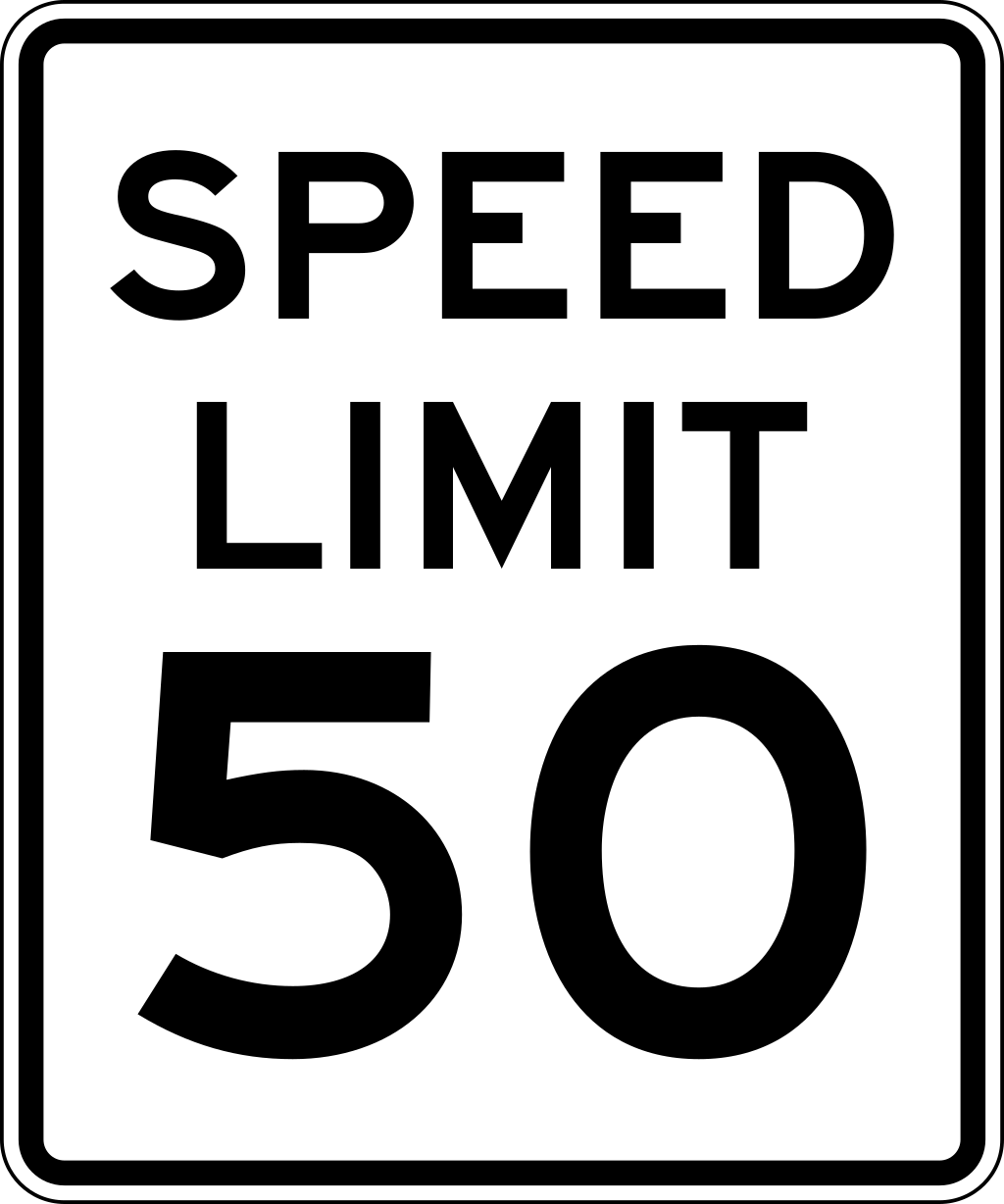
2.
The maximum legal speed under ideal driving conditions is 50 miles per hour. Always adjust speed downward for adverse weather, traffic, or road conditions.
This sign indicates the _______________ vehicles can safely travel in this area.
A) suggested speed
B) maximum speed
C) minimum speed
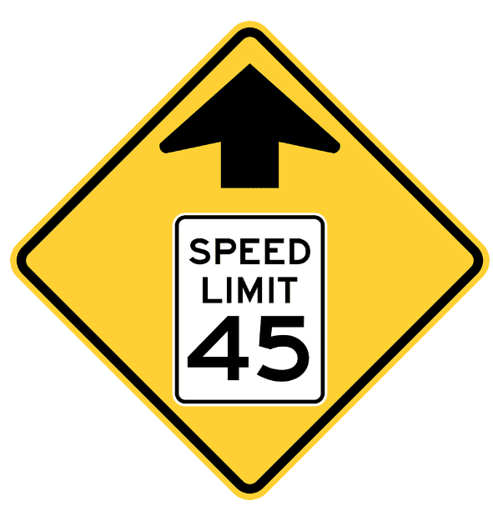
3.
Recommended safe maximum driving speed in ideal conditions for an upcoming curve, ramp, or hazardous stretch of road.
This warning sign:
A) provides advance notice to upcoming speed limit change.
B) shows the current speed limit that all vehicles traveling in the direction of the arrow must not exceed.
C) indicates the suggested highest safe speed.
4.
A steep downhill grade is ahead. Trucks and heavy vehicles should downshift to a lower gear to prevent brake overheating.
This sign warns of a ________ ahead.
A) hill
B) no passing zone
C) soft shoulder
5.
Slow down and give right-of-way to all oncoming vehicles, cyclists, and pedestrians. Stop completely if necessary before entering the intersection or merging.
This road sign means:
A) You must come to a complete stop
B) Do not enter
C) Slow down, stop if necessary and yield the right-of-way
D) Merging traffic
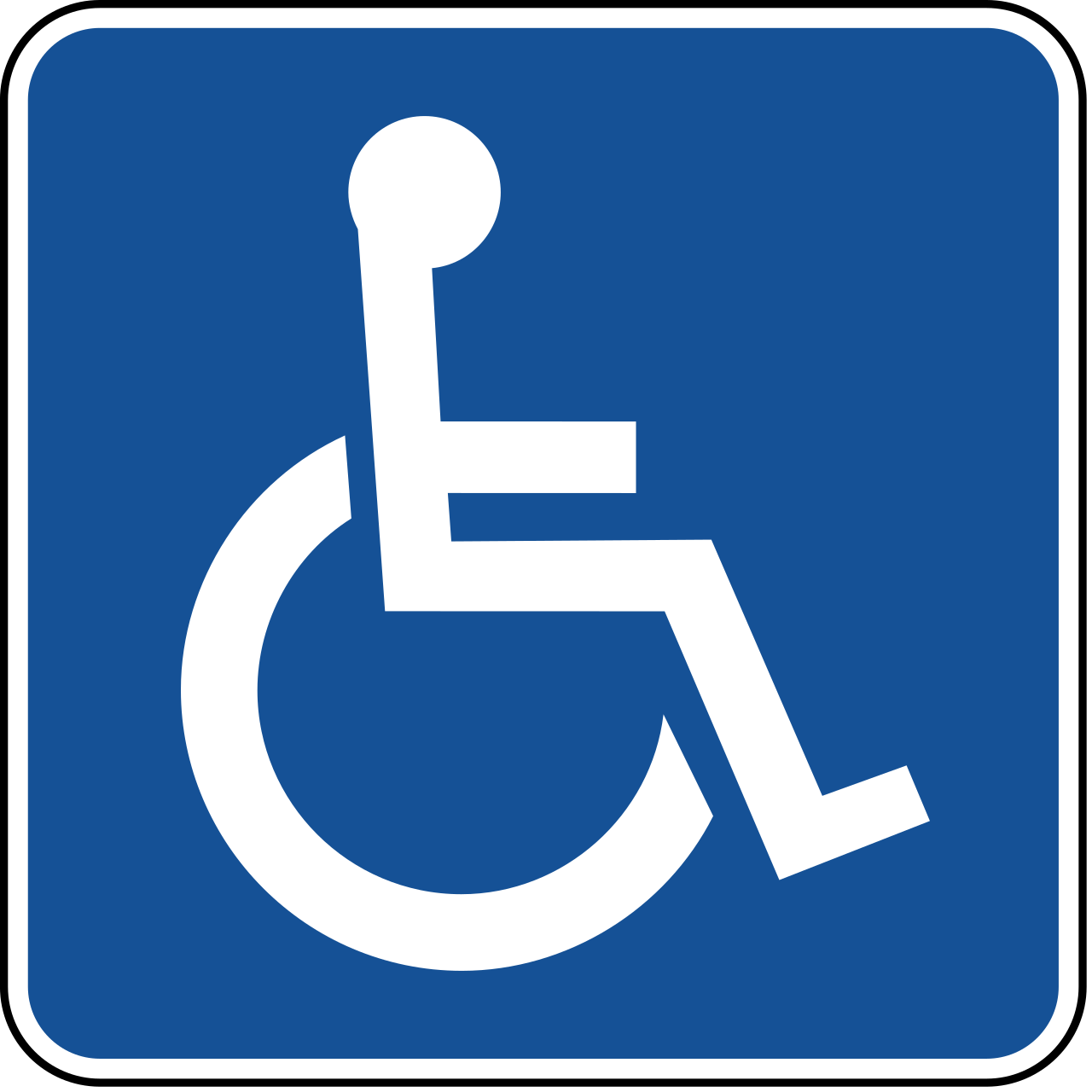
6.
Parking space reserved exclusively for vehicles displaying an authorized disabled placard or license plate. Unauthorized parking results in heavy fines and towing.
This road sign means:
A) Roundabout ahead
B) Parking spaces are reserved for people with disabled parking permits
C) Traffic must turn in the direction of the arrow
D) Lanes are reserved for carpool vehicles
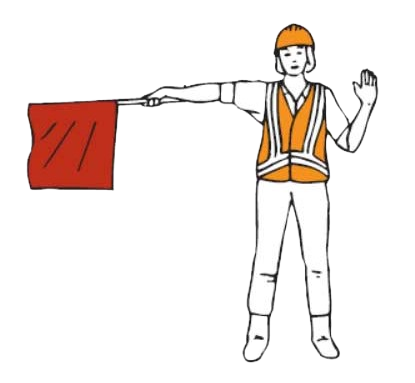
7.
Driver arm extended downward out the left window with palm facing rearward signals an intention to slow down or stop completely.
This signal means:
A) Stop
B) Move to the left
C) Slow down
D) Proceed
8.
Indicates a series of three or more consecutive sharp turns or curves ahead. Reduce speed and maintain lane control.
This sign means:
A) narrow road ahead.
B) no turns are allowed on this road.
C) series of curves ahead.
D) the road may be slippery when wet.
9.
Indicates the maximum bridge or underpass vertical clearance. Vehicles taller than the posted height must not proceed.
This road sign means:
A) Low clearance
B) Do not enter
C) A steep grade is ahead
10.
Warns drivers that two separate lanes moving in the same direction are merging into one. Drivers in the right lane must adjust speed and merge smoothly with existing traffic.
This sign means:
A) A road crosses the main highway ahead.
B) The divided highway on which drivers are traveling ends ahead.
C) Drivers are coming to a point where another traffic lane joins the one they are on.
11.
If you are involved in a crash, you must:
A) report the crash to the police.
B) notify your insurance company immediately.
C) stop as close to the scene of the crash as possible without blocking traffic.
D) All of the above.
12.
If your gas pedal is stuck, you should:
A) hook your shoe under the pedal and see if you can free it. If not, shift into neutral and use the brake to slow your vehicle and get off the road.
B) ease your foot off the gas pedal and brake gently.
C) turn off the ignition if your vehicle has power steering.
13.
Unless there is a speed limit sign stating otherwise, the maximum speed limit for passenger vehicles and motorcycles is ______ for unpaved roads.
A) 55 MPH
B) 35 MPH
C) 65 MPH
D) 25 MPH
14.
Parking is not allowed:
A) in an intersection, unless permitted by signs.
B) within 300 feet of a pedestrian safety area.
C) on public roads
15.
Alcohol:
A) makes you less aware of what is happening to your driving abilities.
B) makes it easier to make correct decisions.
C) improves your reaction time.
16.
Drivers should be aware that a motorcyclist may:
A) decrease speed and rise off the seat when approaching a railroad crossing.
B) quickly change speed or lane position.
C) All of the above.
17.
Following another vehicle too closely is known as:
A) speedgating.
B) closetailing.
C) tailgating.
18.
When driving near light rail vehicles, drivers should:
A) never drive around lowered crossing gates.
B) expect trains on any track at any time.
C) always obey signs and traffic signals.
D) All of the above.
19.
A driver who approaches an intersection:
A) must yield the right-of-way to traffic already in the intersection.
B) must drive straight through the intersection, even if another vehicle is already in the intersection.
C) has the right-of-way over traffic already in the intersection.
20.
You should increase your following distance when:
A) exiting a freeway.
B) following a motorcycle.
C) driving behind a large vehicle that blocks your vision.
D) All of the above.
21.
A common mistake that drivers make is driving without adequate rest.
A) False
B) True
22.
The driver is responsible for:
A) making sure that children are properly secured.
B) ensuring that the vehicle he/she is driving is in good working order.
C) merging safely when two lanes of traffic moving in the same direction are about to become one.
D) All of the above.
23.
What should you do if your headlights suddenly go out?
A) Brake immediately and activate your emergency lights.
B) Use your emergency lights, parking lights or directional signals.
C) Ease your foot off the gas pedal and brake gently.
24.
When children are close, what should you do before you back out of a driveway?
A) Rely on your mirrors.
B) Get out of the car and check behind the car.
C) Look through your back window for children.
25.
If an intersection has crosswalk lines but no STOP line, where must you stop for a red light?
A) After the crosswalk.
B) Before the stop line.
C) Before the crosswalk.
26.
What can you do to prevent skids on snow and ice?
A) Allow the wheels to keep turning.
B) Brake early and gently.
C) All of the above.
27.
You reach an intersection that is not controlled at the same time as a driver on your right, and both of you prepare to go straight. Who has the right-of-way?
A) You.
B) No one.
C) The other driver.
28.
To reduce their chances of colliding with an animal, drivers should:
A) scan the sides of the road to watch for the reflection of vehicle headlights in the eyes of animals.
B) look well down the road and far off to each side.
C) All of the above.
29.
When getting ready to change lanes, you should:
A) check your rearview mirror.
B) quickly turn your head to check for other vehicles.
C) check your side view mirror.
D) All of the above.
30.
A broken yellow line alongside a solid yellow line means:
A) Passing is permitted on the side of the broken yellow line
B) Passing is not permitted in either direction
C) Passing on the right is permitted in either direction
31.
After you stop for a school bus, you must:
A) turn off your engine.
B) pass the bus before the red lights stop flashing.
C) None of the above.
32.
Never make a U-turn from:
A) the lane you’re in.
B) the right lane.
C) the left part of the lane nearest to the centerline of the roadway.
33.
What should you do in case of a steering failure?
A) Pump your gas pedal a few times to increase the pressure.
B) Don't panic. Turn on your emergency lights to let other drivers know you are having car problems. Move toward the side of the road and bring the car to a gradual stop.
C) Leave the road immediately.
34.
Two drivers reach an uncontrolled intersection at the same time. Who has the right of way?
A) The driver on the left.
B) No one.
C) The driver on the right.
35.
DMV's vision standards include _____ or better in one or both eyes.
A) 20/60
B) 20/40
C) 20/20
D) None of the above.
36.
Blind spots are:
A) Dangerous intersection where the maximum speed limit is 15 MPH or less.
B) At night, the darkest areas of a road, where emergency flashers should be used.
C) Areas to the side or rear of a vehicle that the driver cannot see with use of mirrors.
37.
The following symptoms are associated with drowsy driving:
A) You continue to yawn.
B) You don’t remember driving the last few miles.
C) All of the above.
38.
Blind spots around a large vehicle are _________________ than the blind spots around a car.
A) larger and deeper
B) less dangerous
C) narrower and shorter
39.
Passing is prohibited:
A) when a school bus is stopped to load or unload children on a public road.
B) at intersections.
C) whenever a solid line marks the left side of your lane.
D) All of the above.
40.
You hear a siren close by but can not see where the emergency vehicle is. What do you do?
A) Keep driving until you are sure the emergency vehicle is headed toward you.
B) Stop immediately and activate your emergency flashers.
C) Pull over to the right side of the road and stop until you are sure the emergency vehicle is not headed toward you.
ANSWER KEY Check answers after completing the test.
1 C
2 B
3 A
4 A
5 C
6 B
7 A
8 C
9 A
10 C
11 D
12 A
13 B
14 A
15 A
16 C
17 C
18 D
19 A
20 D
21 B
22 D
23 B
24 B
25 C
26 C
27 C
28 C
29 D
30 A
31 C
32 B
33 B
34 C
35 B
36 C
37 C
38 A
39 D
40 C