DriveQuiz drivequiz.com

UT DMV PERMİT PRACTİCE TEST 4

Utah
Duration: 23 min
|
Questions: 25
Student Name:
Date:
Correct:      Incorrect:      Score:      
1.
What should you do if one of your tires blows out?
A) Hold the steering wheel tight and brake immediately to avoid the risk of skidding.
B) Leave the road immediately.
C) Hold the steering wheel tight and slowly take your foot off the gas pedal.
2.
When driving in bad weather, drivers should:
A) decrease the following distance.
B) increase their speed to get to their destination more quickly.
C) increase the following distance.
D) None of the above.
3.
On two-lane, two-way streets or highways, you should start left turns close to the center line.
A) True
B) False
4.
BAC is expressed in:
A) percentage of alcohol to blood.
B) percentage of blood to alcohol.
C) ounces of alcohol in your blood.
5.
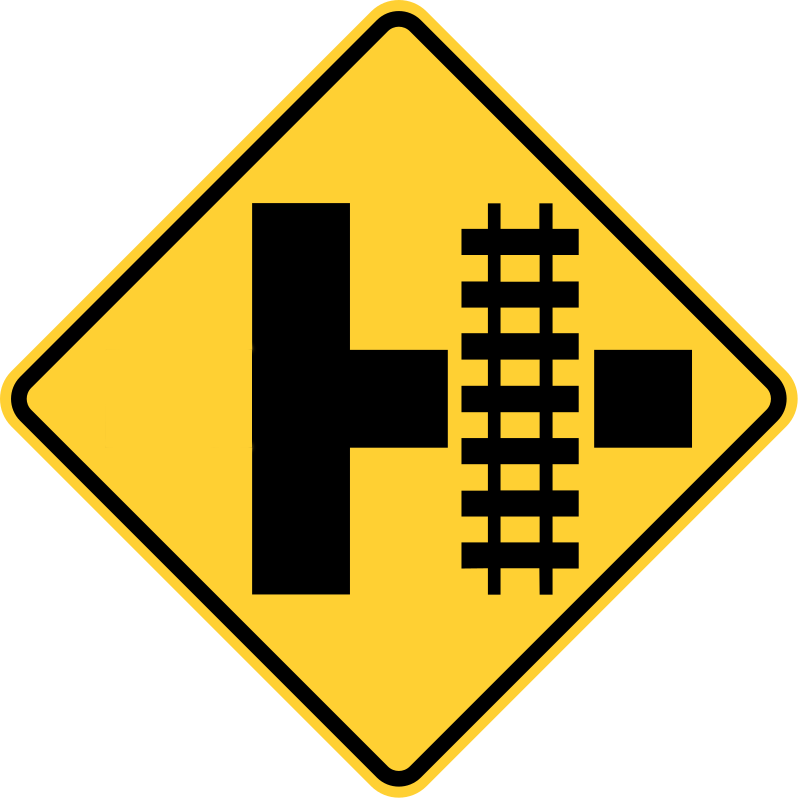
Four-way intersection ahead. Be prepared to yield right-of-way according to traffic control devices.
What does this sign indicate?
A) Parallel railroad crossing (side road)
B) Low ground clearance railroad crossing
C) Parallel railroad crossing (crossroad)
6.
Blind spots are:
A) Dangerous intersection where the maximum speed limit is 15 MPH or less.
B) At night, the darkest areas of a road, where emergency flashers should be used.
C) Areas to the side or rear of a vehicle that the driver cannot see with use of mirrors.
7.
A speed limit is the __________ speed at which a vehicle may legally travel on the road under ideal conditions.
A) maximum
B) minimum
C) suggested
D) None of the above.
8.
The roadway ahead is narrowing or a lane is ending. Merge smoothly into the continuing lane.
This road sign means:
A) No right turn
B) Divided highway ends
C) Lane ends
D) Two way Traffic
9.
Right turns are strictly prohibited at this intersection under all circumstances.
This road sign means:
A) No left turn
B) No right turn
C) No U-turns
10.
If another car is in danger of hitting you, you should:
A) flash your brake lights.
B) sound your horn.
C) use your emergency lights.
D) flash your headlights.
11.
A flashing red light means:
A) The same as a STOP sign.
B) The light will soon change to steady red.
C) Drive with caution.
12.
A side road enters the highway from the right or left. Watch for traffic turning onto or crossing your lane.
This road sign warns drivers that:
A) left turns are not allowed at the intersection.
B) the road will make a sharp turn to the right.
C) another road enters the highway from the direction shown.
13.
When driving in heavy rain, drivers should use:
A) parking lights.
B) low beam headlights.
C) high beam headlights.
14.
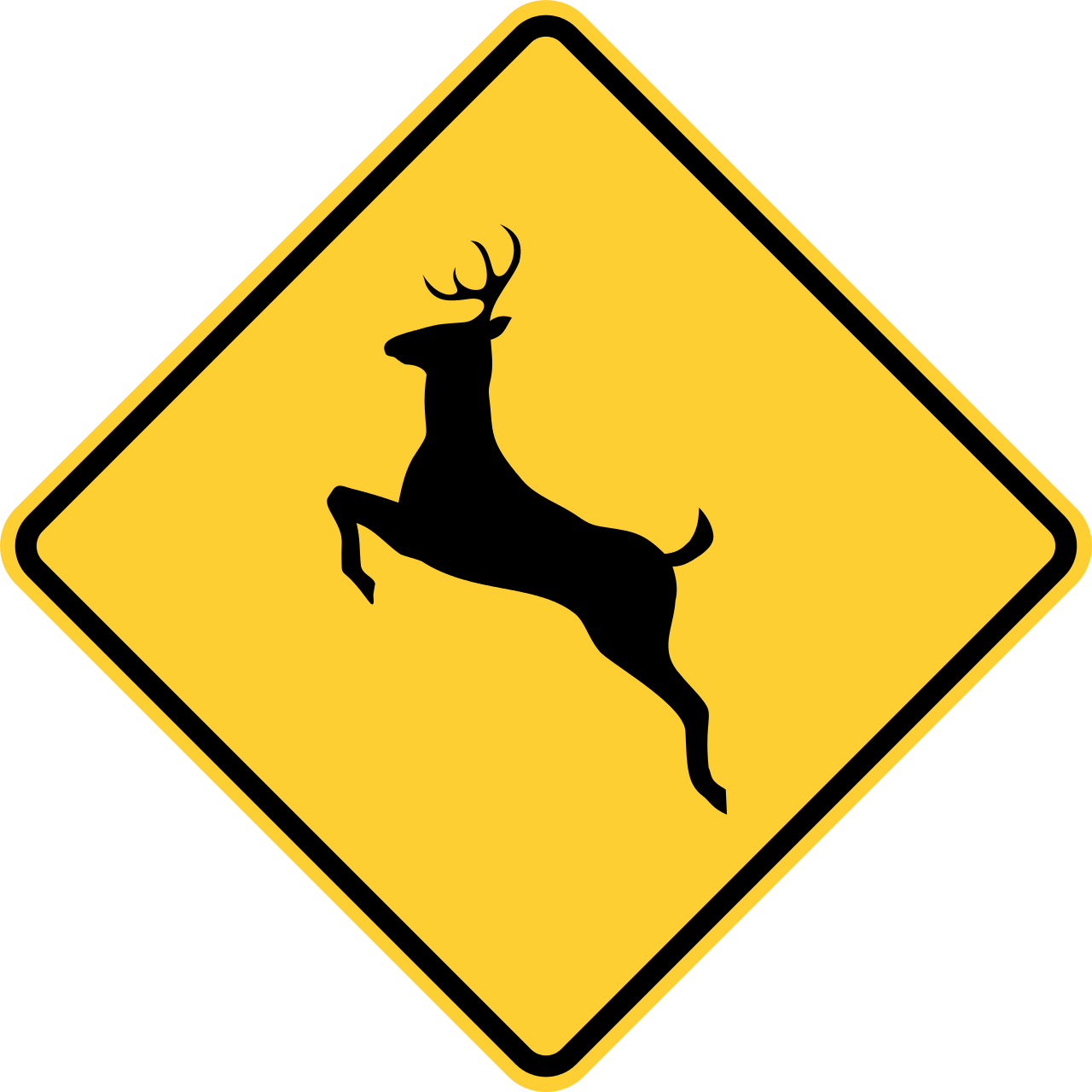
Wildlife and deer frequently cross in this area, especially at dawn and dusk. Scan the roadside and be prepared to brake safely.
When they see this road sign, drivers should:
A) drive carefully because the animal pictured on the sign is extremely rare in the area.
B) watch for this species crossing the road.
C) park in the zoo area.
15.
Vertical panels, barricades, drums and cones are the most commonly used devices to guide drivers safely through work zones.
A) True
B) False
16.
Most crashes involving large trucks:
A) are caused by truck drivers.
B) are caused by car drivers.
C) happen in bad weather.
D) happen at night.
17.
If you stop at a railroad crossing with more than one track:
A) proceed with caution until you see a train.
B) go through when one of the tracks is free.
C) go through as soon as the first train passes.
D) wait until you have a clear view of both tracks.
18.
If traffic on the other side of an intersection is backed up and you cannot get completely through, you must:
A) enter the intersection and try to avoid blocking it.
B) enter the intersection and proceed with caution.
C) wait until traffic ahead is clear.
19.
If another vehicle is approaching you head-on in your lane, you should _______, sound your horn and brake.
A) steer right
B) None of the other answers is correct.
C) steer left
D) stay in the center of your lane
20.
Your car stalls on the tracks at a railroad crossing, and a collision with a train is imminent. After getting yourself and your passengers out of the car, you should:
A) run toward the train but stay off the tracks.
B) signal the train to stop.
C) cross the tracks.
21.
One broken line indicates:
A) You can pass other vehicles and change lanes, if it is safe.
B) You can not pass other vehicles or go across the line.
C) You can change lanes, but only when traffic conditions or obstructions in the road make it necessary.
22.
When driving through a work zone you should:
A) closely follow the vehicle ahead.
B) slow down and pay extra attention.
C) pull over to the right side of the road and stop.
D) keep a 2-second following distance behind the vehicle in front.
23.
What are some telltale signs of a drunk driver?
A) Sudden stops.
B) Weaving between lanes.
C) Driving slower than the normal flow of traffic.
D) All of the above.
24.
A side road enters the highway from the right or left. Watch for traffic turning onto or crossing your lane.
This road sign means:
A) Merge
B) Side Road
C) Merging Traffic
D) All traffic must go straight ahead
25.
Right turns are strictly prohibited at this intersection under all circumstances.
This road sign means:
A) Right turn permitted on red light
B) Drivers must turn right
C) No U-turns
D) No right turn permitted
ANSWER KEY Check answers after completing the test.
1 C
2 C
3 A
4 A
5 A
6 C
7 A
8 C
9 B
10 B
11 A
12 C
13 B
14 B
15 A
16 B
17 D
18 C
19 A
20 A
21 A
22 B
23 D
24 B
25 D