DriveQuiz drivequiz.com

UT DMV PERMİT PRACTİCE TEST 2

Utah
Duration: 23 min
|
Questions: 25
Student Name:
Date:
Correct:      Incorrect:      Score:      
1.
When an approaching driver at night blinds you by failing to dim their high beams, you should look:
A) straight down the middle of the road.
B) towards the left side of the road.
C) None of the other answers is correct.
D) towards the right side of the road.
2.
If an aggressive driver is behind you:
A) sound your horn and move to the left lane.
B) slow down and confront the aggressive driver.
C) try to get out of the aggressive driver’s way.
D) increase you speed and flash your brake lights.
3.
The ‘Slower Traffic Keep Right’ sign is used:
A) at most intersections.
B) on multiple lane highways.
C) in school zones.
4.
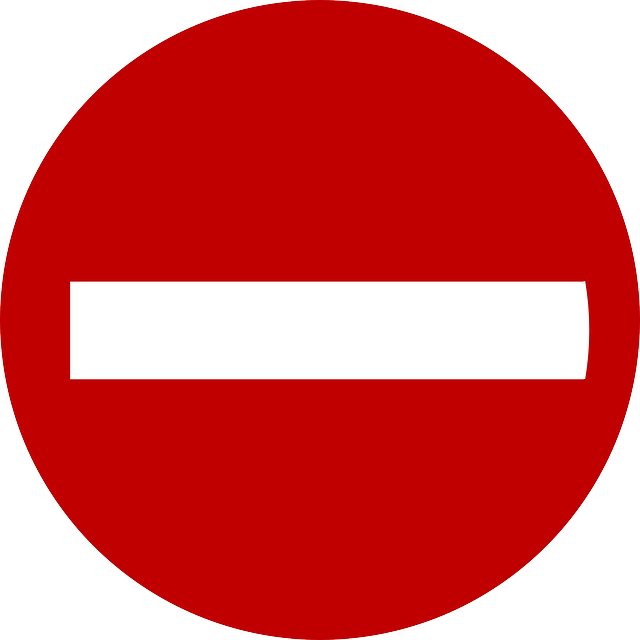
Indicates you have entered an exit ramp or one-way street in the incorrect direction. Stop immediately and safely turn around.
This road sign means:
A) No left turn
B) Lane ends
C) Do not enter
5.
Drivers may cross solid yellow lines:
A) at any time.
B) only to pass traffic moving in the same direction.
C) when making turns.
D) during daylight hours only.
6.
Another road crosses the highway ahead. Look left and right for crossing or entering vehicles.
This road sign means:
A) Crossroad
B) Hospital parking ahead
C) Merge
7.
To enter a freeway:
A) signal, yield, and enter at the same speed that traffic is moving.
B) drive slowly so you can check traffic.
C) signal and enter the freeway. You have the right-of-way.
D) make a complete stop before entering the freeway.
8.
The roadway becomes particularly slippery during wet or rainy conditions. Reduce your speed, increase following distance, and avoid abrupt braking or steering.
This road sign means:
A) Traffic increases ahead
B) Steep grade ahead
C) Winding road ahead
D) Slippery road ahead
9.
What should drivers do when the red lights begin to flash?
A) Stop.
B) Yield.
C) Slow down.
10.
Indicates a series of three or more consecutive sharp turns or curves ahead. Reduce speed and maintain lane control.
This sign means:
A) narrow road ahead.
B) no turns are allowed on this road.
C) series of curves ahead.
D) the road may be slippery when wet.
11.
At a light rail intersection, you should always:
A) share the road with pedestrians and bicyclists.
B) look both ways before crossing the tracks.
C) be alert and obey all traffic signals.
D) All of the above.
12.
After parking, are you allowed to open a door on the road side of your vehicle?
A) Yes, always.
B) Yes, but only if it does not interfere with bicyclists and other traffic.
C) No, never.
13.
Two drivers reach an uncontrolled intersection at the same time. Who has the right of way?
A) The driver on the left.
B) No one.
C) The driver on the right.
14.
The roadway ahead is narrowing or a lane is ending. Merge smoothly into the continuing lane.
This sign means:
A) divided highway ahead.
B) narrow bridge ahead.
C) road construction.
D) lane ends, merge left.
15.
The road curves gradually to the right ahead. Reduce speed before entering the curve.
This sign means:
A) The road will curve to the right.
B) Left turns are not allowed at the intersection.
C) Do not turn right.
16.
Designated school crosswalk location. You must yield to all schoolchildren and pedestrians in the crossing.
When they approach this sign, drivers must:
A) slow down and watch for children crossing the road.
B) obey signals from crossing guards.
C) stop if necessary.
D) All of the above.
17.
What is the purpose of minimum speed limits?
A) To keep a smooth traffic flow.
B) To halt the traffic flow.
C) To allow emergency vehicles with red flashing lights to safely pass other vehicles.
18.
An emergency vehicle that uses lights and a siren can be unpredictable. Why?
A) The driver can legally pass red lights.
B) Emergency vehicles must go faster than the posted speed limit when it is safe to do so.
C) Emergency vehicle drivers are not required to be careful.
19.
Regulatory signs are:
A) Suggestions
B) Warnings
C) Law
20.
When a driver is turning and a pedestrian is crossing without a traffic light, __________ must yield the right-of-way.
A) the pedestrian
B) the driver
C) both
D) whoever is slower
21.
When driving behind a motorcycle:
A) allow a following distance of at least 4 motorcycle lengths.
B) allow a following distance of at least 2 car lengths.
C) allow at least 2 seconds of following distance.
D) allow at least 4 seconds of following distance.
22.
Warns of two consecutive curves in opposite directions (e.g., curves right then left). Slow down to maintain control.
This sign indicates that the road ahead:
A) turns sharply right, then left.
B) is a divided highway.
C) curves right, then left.
D) curves right.
23.
Reflective orange triangle displayed on vehicles traveling at 25 MPH or slower (such as farm tractors or construction machinery). Approach with caution and pass safely.
The sign in the picture:
A) is a Construction and Maintenance Traffic Control sign.
B) is found at most intersections and indicates that drivers must yield to other vehicles.
C) is displayed on the rear of slow moving vehicles.
24.
What type of pavement marking shows you which lane you must use for a turn?
A) Edge line
B) Diamond
C) Crosswalk Lines
D) Arrows
25.
A driver should be extra alert for motorcyclists, bicycles and pedestrians. Why?
A) They obey specific traffic laws.
B) They always have the right-of-way.
C) They are hard to see in traffic.
D) They don’t have rearview mirrors.
ANSWER KEY Check answers after completing the test.
1 D
2 C
3 B
4 C
5 C
6 A
7 A
8 D
9 A
10 C
11 D
12 B
13 C
14 D
15 A
16 D
17 A
18 A
19 C
20 B
21 D
22 C
23 C
24 D
25 C