DriveQuiz drivequiz.com

UT DMV PERMİT PRACTİCE TEST 15

Utah
Duration: 23 min
|
Questions: 25
Student Name:
Date:
Correct:      Incorrect:      Score:      
1.
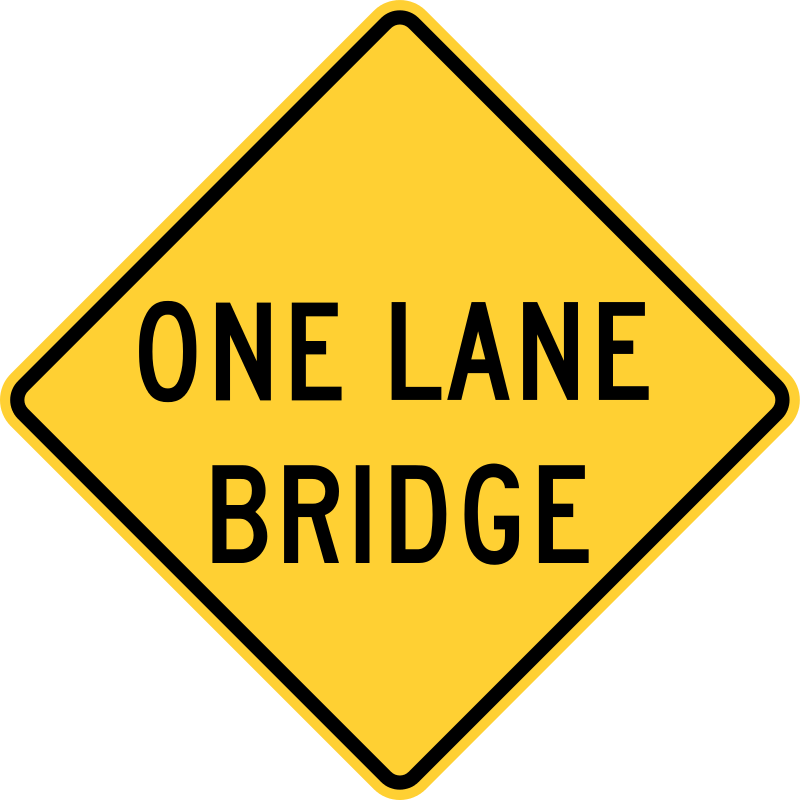
The bridge width allows only one vehicle to cross at a time. The vehicle reaching the bridge first has right-of-way; opposing traffic must wait.
What should drivers do when they see this sign?
A) Make sure the bridge is clear of oncoming traffic before they cross.
B) Look to the left and right for other traffic.
C) Allow others to merge smoothly.
2.
What should you do as you prepare to turn right at an intersection?
A) Honk your horn.
B) Yield to bicyclists coming from the opposite direction.
C) Signal your turn, check for bicyclists, and do not turn directly in front of a bicyclist.
3.
What does it mean If an oncoming driver flashes headlights at you during a period of low visibility?
A) Your headlights are too bright. You should turn them off.
B) Your vehicle was difficult to see. You should turn on your headlights.
C) Your headlights are too bright. You should use parking lights instead.
4.
If you suddenly have no control of the steering wheel, you should:
A) turn on your emergency flashers and pull off the road.
B) ease your foot off the gas pedal. Turn on your emergency flashers and allow your vehicle to come to a slow stop.
C) pump your brake pedal to build pressure.
D) react as you would with a blowout.
5.
If one of your tires blows out, you should:
A) apply your brakes gently and steer smoothly where you want to go.
B) pump your brakes and steer where you want to go.
C) apply your brakes immediately.
D) hold the steering wheel tightly, slowly take your foot off the gas pedal and steer smoothly where you want to go.
6.
Right turns are strictly prohibited at this intersection under all circumstances.
This road sign means:
A) No left turn
B) No right turn
C) No U-turns
7.
A steep downhill grade is ahead. Trucks and heavy vehicles should downshift to a lower gear to prevent brake overheating.
This road sign means:
A) Merging traffic
B) Steep grade ahead
C) Intersection ahead
8.
Left turns on a red light are allowed:
A) from a one-way street into a one-way street.
B) Never.
C) at intersections, after stopping, if the way is clear.
9.
When changing lanes, __________ to be sure no one is in the 'blind spot'.
A) check your right mirror
B) slow down gradually
C) check your left mirror
D) glance over your shoulder
10.
The following symptoms are associated with drowsy driving:
A) You continue to yawn.
B) You don’t remember driving the last few miles.
C) All of the above.
11.
When approaching a railroad crossing drivers should:
A) slow down.
B) be ready to stop.
C) look for a train.
D) All of the above.
12.
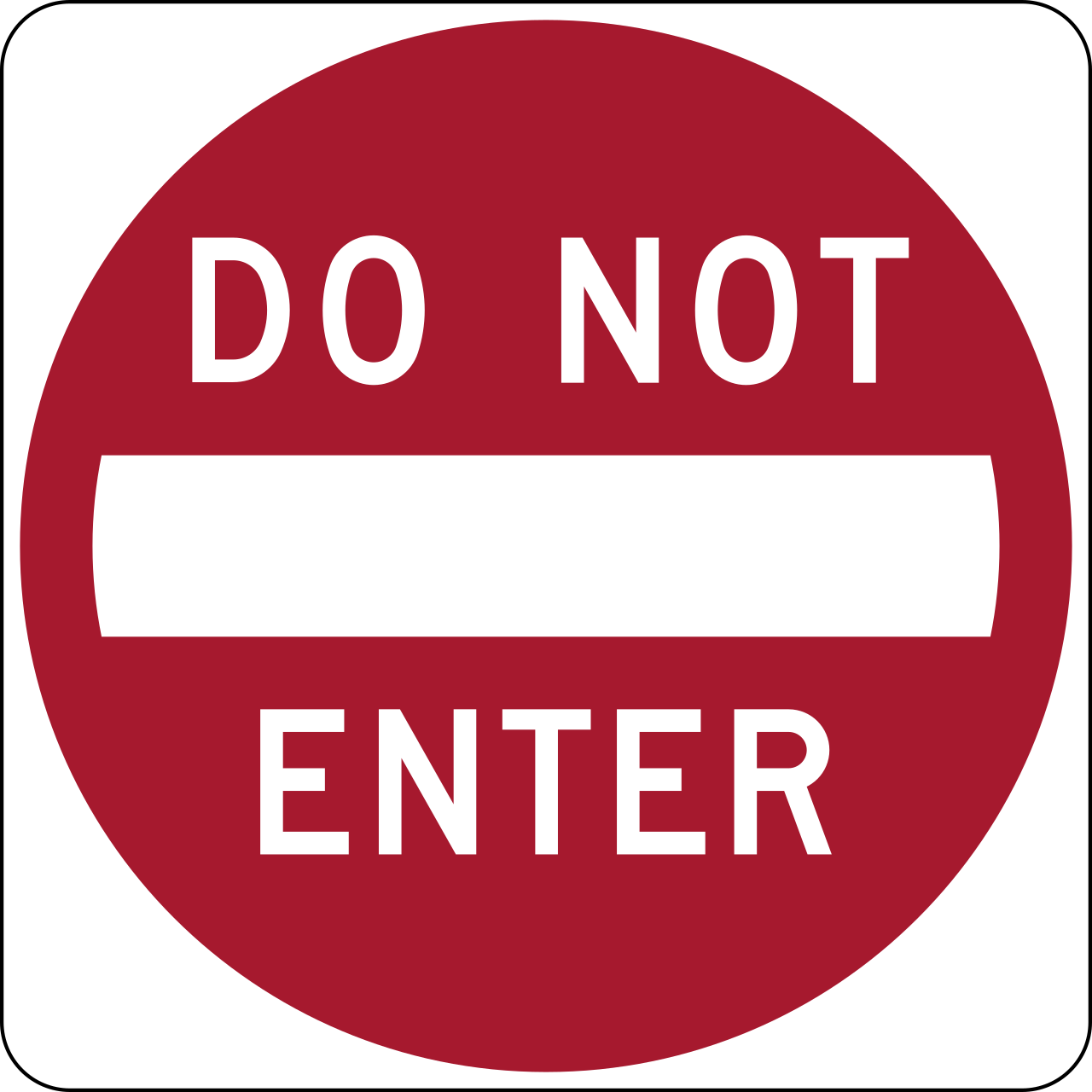
Marks a roadway or ramp where vehicular traffic is strictly forbidden to enter from your direction (such as freeway off-ramps or one-way streets).
This sign indicates:
A) that you must not drive past this sign.
B) that you must yield the right-of-way.
C) the entrance to a construction site.
D) the entrance to a dead-end street.
13.
What do pennant-shaped signs indicate?
A) A school crossing
B) Yield
C) A No Passing Zone
14.
A signalized intersection is ahead. Prepare to stop if the light turns yellow or red.
This road sign means:
A) Stop before turning right
B) 4-way stop ahead
C) Lane closed for traffic
D) There is a traffic signal ahead
15.
Before entering a traffic circle, drivers must slow down and yield to ___________ in the traffic circle.
A) pedestrians
B) vehicles
C) bicyclists
D) All of the above.
16.
Examples of proper glass maintenance include:
A) Replacing worn wiper blades.
B) Keeping your windows clean and clear.
C) All of the above.
17.
Destination signs are ______ with ____ letters and symbols.
A) green; white
B) blue; white
C) white; black
18.
Drivers should allow a larger space cushion when stopping:
A) at a stop sign.
B) on an up-hill.
C) at an intersection.
D) at a yield sign.
19.
When meeting a car with blinding headlights, you should:
A) look toward the right side of the road.
B) dim your lights, then speed up and pass quickly.
C) use your emergency flashers to warn the other driver.
D) look toward the left side of the road.
20.
The roadway becomes particularly slippery during wet or rainy conditions. Reduce your speed, increase following distance, and avoid abrupt braking or steering.
This sign indicates:
A) Warning: drunk drivers.
B) Winding road. Drive with caution.
C) The road may be slippery when wet. Drive slowly.
21.
A flashing yellow traffic signal means:
A) Slow down and be alert at the upcoming intersection.
B) The same thing as a stop sign.
C) Stop and proceed when a green light appears.
D) No right turn.
22.
Night driving can be more difficult because:
A) the ratio of motorcyles to cars is much higher at night.
B) vehicle operators tend to drive faster at night.
C) speed limits do not apply at night.
D) visibility is reduced.
23.
You should increase your following distance when:
A) exiting a freeway.
B) following a motorcycle.
C) driving behind a large vehicle that blocks your vision.
D) All of the above.
24.
When you prepare to make a left turn from a one-way road into a one-way road, you must:
A) move into the right lane, or to the left side of a single lane.
B) move into the right lane, or to the right side of a single lane.
C) move into the left lane, or to the left side of a single lane.
25.
Treat the flashing red signal exactly like a STOP sign: come to a complete stop, yield to cross traffic and pedestrians, then proceed when safe.
What does a flashing red light mean?
A) NO TURN ON RED.
B) The same thing as a stop sign.
C) Drivers may move forward with caution.
ANSWER KEY Check answers after completing the test.
1 A
2 C
3 B
4 B
5 D
6 B
7 B
8 A
9 D
10 C
11 D
12 A
13 C
14 D
15 D
16 C
17 A
18 B
19 A
20 C
21 A
22 D
23 D
24 C
25 B