DriveQuiz drivequiz.com

UT DMV PERMİT PRACTİCE TEST 12

Utah
Duration: 23 min
|
Questions: 25
Student Name:
Date:
Correct:      Incorrect:      Score:      
1.
Speed limit signs are:
A) service signs
B) regulation signs (regulatory signs)
C) warning signs
2.
A large vehicle is backing up to unload goods. You should:
A) enter one of the blind spots and wait.
B) try to pass close behind.
C) be patient and wait until the large vehicle has completed its backup maneuver.
3.
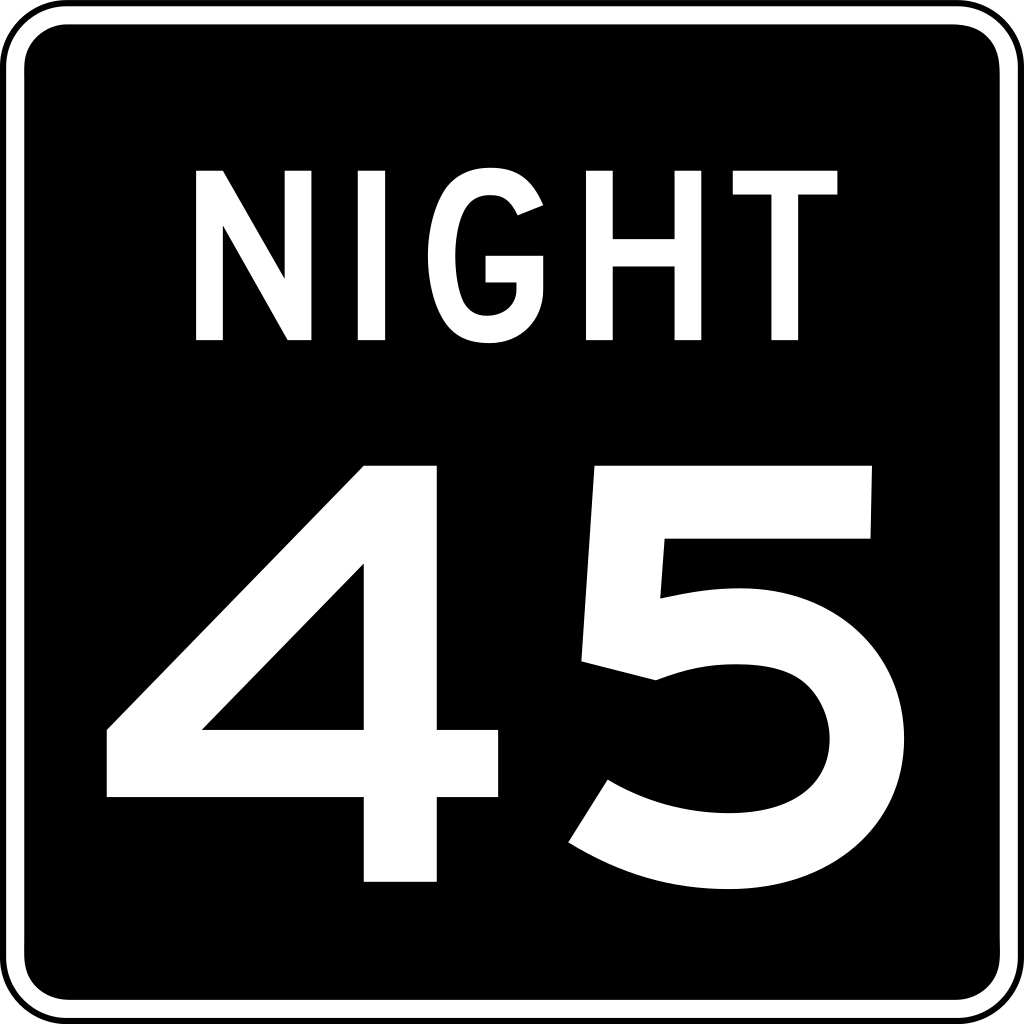
Indicates a lower maximum legal speed limit that applies only during nighttime hours for safety.
This sign means:
A) Take route 45 if you are driving at night.
B) The night-time speed limit is 45 MPH.
C) The minimum speed limit is 45 MPH.
4.
On slippery roads, drivers should:
A) leave more space in front of their vehicle.
B) increase their speed to avoid hydroplaning.
C) come to a complete stop.
5.
Which of the following may result in an arrest for driving under the influence of intoxicants (DUII)?
A) A controlled substance, such as prescription medicines or illegal drugs.
B) An inhalant, such as glue or paint.
C) Alcohol
D) All of the above.
6.
You are approaching an intersection with a yellow flashing light. You should:
A) stop and wait for the light to change.
B) speed up to beat the red light.
C) prepare to stop; the light is about to turn red.
D) proceed with caution through the intersection.
7.
When you approach a railroad crossing, but you do not see a train. You must stop:
A) if a stop sign is posted.
B) if the crossing lights are flashing.
C) if a crossing gate is lowered.
D) All of the above.
8.
With conventional brakes, the correct way to stop in an emergency situation where traction is lost and the car slides is by pumping the brakes.
A) True
B) False
9.
All approaching traffic must stop completely. The first vehicle to reach the intersection and stop has right-of-way; if two vehicles arrive simultaneously, the vehicle on the right goes first.
A four-way stop sign means:
A) traffic from all four directions must stop.
B) if two vehicles reach the intersection at the same time, the driver on the left yields to the driver on the right.
C) All of the above.
10.
If another car has stopped in an adjacent lane in the same direction of travel, you should:
A) speed up and pass the vehicle on the right.
B) pass the car on the left.
C) be careful in case the other vehicle has stopped for a pedestrian.
D) tap your horn to let the other driver know you are passing.
11.
If your vehicle starts to hydroplane you should:
A) apply the brakes firmly to prevent your vehicle from sliding.
B) slow down gradually and do not apply the brakes.
C) maintain your current speed to gain better traction.
D) All of the above.
12.
The road makes a sharp 90-degree right turn ahead. Slow down considerably before entering the turn.
This road sign means:
A) School zone ahead
B) Side road
C) Construction zone ahead
D) Sharp turn, slow down
13.
To drive defensively, you must:
A) avoid scanning the road ahead.
B) keep one hand on the steering wheel.
C) keep your eyes moving.
14.
Warns of a traffic signal ahead that may not yet be visible due to a curve or hill. Be prepared to slow down and stop if the light changes.
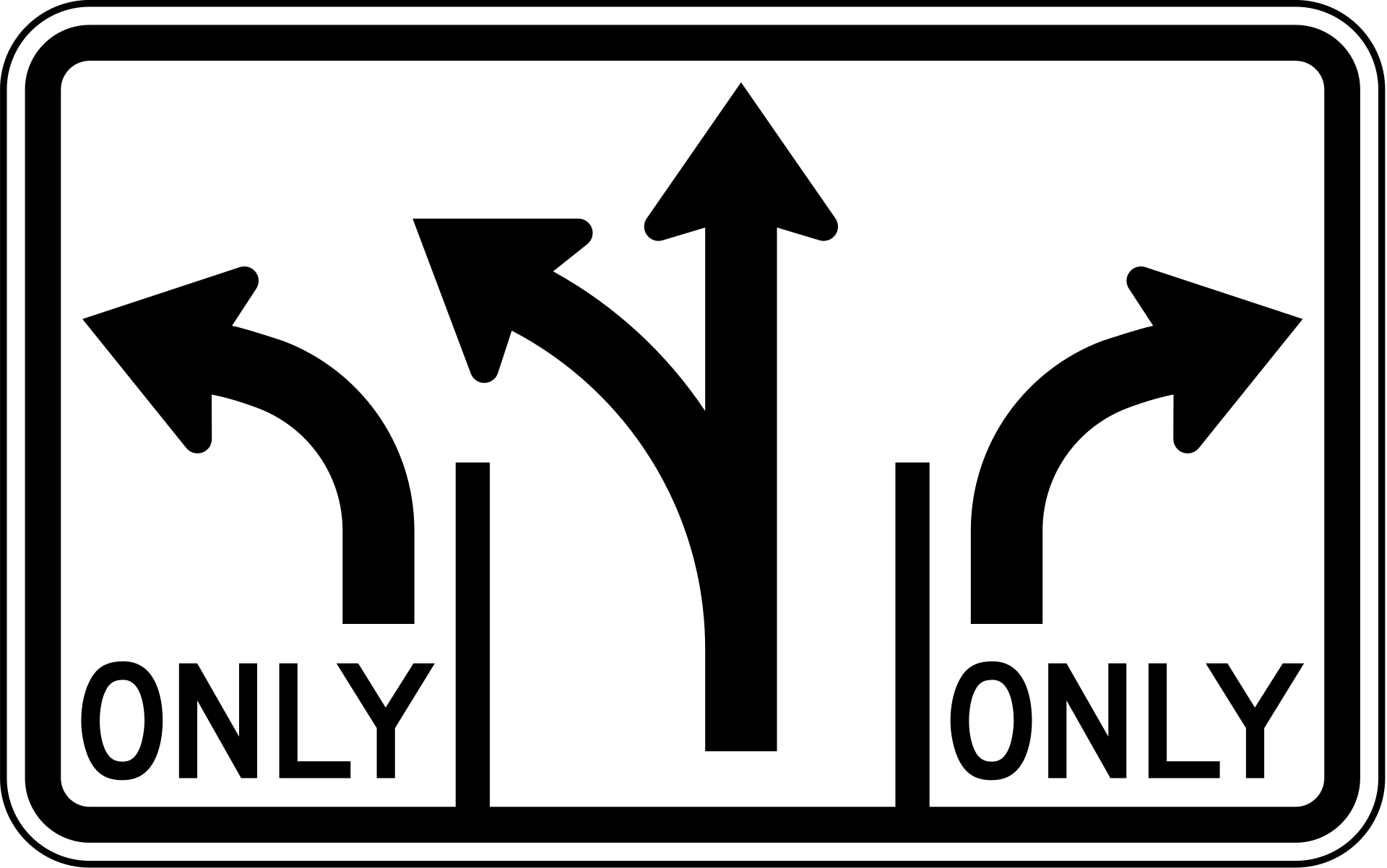
This regulatory sign tells drivers that:
A) traffic in the left lane must turn left at the intersection ahead.
B) all vehicles must turn left immediately.
C) traffic in the right lane must go straight.
15.
If you remain in the back blind spot of a large vehicle:
A) you increase the chance of a crash.
B) the large vehicle will take much longer to stop.
C) you can reduce fuel consumption.
16.
You reach an intersection that is not controlled at the same time as a driver on your right, and both of you prepare to go straight. Who has the right-of-way?
A) You.
B) No one.
C) The other driver.
17.
Warns drivers that two separate lanes moving in the same direction are merging into one. Drivers in the right lane must adjust speed and merge smoothly with existing traffic.
This road sign means:
A) Merging traffic from the right
B) Sharp curves ahead
C) Intersection ahead
18.
When two cars arrive at an intersection with no signs or signals at the same time, which car has the right-of-way?
A) The car that is traveling faster.
B) The car approaching from the right.
C) The car approaching from the left.
D) The car in which the driver sounds the horn.
19.
If your car starts to skid, turn your steering wheel:
A) in the direction you want to go.
B) in the opposite direction of the skid.
C) to keep the front wheels straight.
D) in any direction. It doesnt matter.
20.
When the driver behind you wants to pass, you should:
A) change lanes.
B) speed up.
C) use your brake lights.
D) slow down to allow room for the other driver to complete the pass safely.
21.
ABS is the acronym for:
A) Anti-Braking System
B) Average-Beam System
C) Anti-Locking Brake System
22.
Drivers may pass on a two-lane roadway marked with a single solid yellow line on their side of the center line.
A) False
B) True
23.
If a vehicle using high beams comes toward you, look towards __________ of the road.
A) either side
B) the center
C) the right side
D) the left side
24.
Alerts drivers to an upcoming crosswalk where pedestrians frequently cross. Slow down and yield right-of-way to anyone in or about to enter the roadway.
The picture shows:
A) a railroad advance warning sign.
B) a speeding fines doubled sign.
C) a reversible road sign.
25.
The bridge ahead has narrower lanes or shoulders than the preceding road. Use caution when meeting oncoming vehicles.
This sign warns drivers of:
A) low clearance.
B) a narrow bridge ahead.
C) a low place in the road.
ANSWER KEY Check answers after completing the test.
1 B
2 C
3 B
4 A
5 D
6 D
7 D
8 A
9 C
10 C
11 B
12 D
13 C
14 A
15 A
16 C
17 A
18 B
19 A
20 D
21 C
22 A
23 C
24 A
25 B