DriveQuiz drivequiz.com

TN DMV PERMİT PRACTİCE TEST 11

Tennessee
Duration: 27 min
|
Questions: 30
Student Name:
Date:
Correct:      Incorrect:      Score:      
1.
The yield sign is ___ and white, with ___ letters.
A) yellow; black
B) red; red
C) red; white
2.
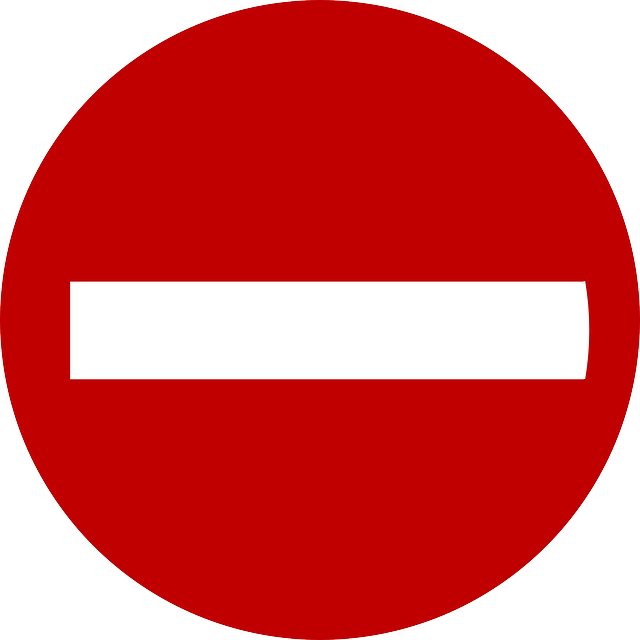
Indicates you have entered an exit ramp or one-way street in the incorrect direction. Stop immediately and safely turn around.
This road sign means:
A) No left turn
B) Lane ends
C) Do not enter
3.
You can pass on the right:
A) when a vehicle ahead makes a right turn.
B) when a vehicle ahead makes a left turn.
C) when a vehicle that is approaching from the opposite direction is prepared to turn left.
4.
What should you do if your vision through the windshield becomes blocked?
A) Pull your vehicle off the road and park it.
B) Turn on your emergency lights.
C) Open the side window so you can see.
D) All of the above.
5.
Parking, standing, or stopping is prohibited at all times in this designated zone except for emergency vehicles.
This sign means:
A) U-turns are not allowed.
B) Parking is not allowed.
C) No parking on pavement.
6.
For proper parking, if stopping at a curb you should move to within _______ of the curb.
A) 12 inches
B) 18 inches
C) two feet
7.
When children are close, what should you do before you back out of a driveway?
A) Rely on your mirrors.
B) Get out of the car and check behind the car.
C) Look through your back window for children.
8.
Examples of proper glass maintenance include:
A) Replacing worn wiper blades.
B) Keeping your windows clean and clear.
C) All of the above.
9.
The road makes a sharp 90-degree right turn ahead. Slow down considerably before entering the turn.
This sign warns drivers that:
A) the road will make a sharp turn to the right.
B) right turns are not allowed.
C) another road enters the highway from the direction shown.
10.
When riding in a vehicle equipped with air bags is, children ages 12 and under are safer:
A) buckled up in the back seat.
B) in the bed of a pick-up truck.
C) buckled up in the front seat.
11.
You hear a siren close by but can not see where the emergency vehicle is. What do you do?
A) Keep driving until you are sure the emergency vehicle is headed toward you.
B) Stop immediately and activate your emergency flashers.
C) Pull over to the right side of the road and stop until you are sure the emergency vehicle is not headed toward you.
12.
It is illegal to park:
A) on public roadways.
B) within 50 feet of a railroad crossing.
C) within 15 feet of a fire hydrant.
13.
The roadway becomes particularly slippery during wet or rainy conditions. Reduce your speed, increase following distance, and avoid abrupt braking or steering.
This road sign means:
A) Winding road
B) Side road ahead
C) Slippery when wet
14.
A broken yellow line to the right of a solid yellow center line means:
A) you may pass other vehicles if no oncoming traffic is present.
B) passing is prohibited.
C) you are only allowed to make left turns in this area.
15.
Before making a left turn from a one-way street, you must:
A) be in the lane closest to the left curb.
B) be in the lane closest to the right curb.
C) be in the lane closest to the center of the street.
16.
Never make a U-turn from:
A) the lane you’re in.
B) the right lane.
C) the left part of the lane nearest to the centerline of the roadway.
17.
A vehicle that enters a road from a driveway:
A) has the right-of-way.
B) must yield to traffic approaching from the right, while it has the right-of-way over vehicles approaching from the left.
C) must stop and yield the right-of-way to traffic on the roadway and to pedestrians.
18.
Drivers can not pass a vehicle on the left if:
A) they approach the top of a hill on a two-way road and can not see over it.
B) they can not safely return to the right lane before they reach a solid yellow center line for the right lane.
C) All of the above.
19.
To drive defensively, you must:
A) avoid scanning the road ahead.
B) keep one hand on the steering wheel.
C) keep your eyes moving.
20.
The median divider ends ahead, and you are returning to a two-way, two-lane undivided roadway. Watch for oncoming traffic on your left.
This road sign means:
A) Curves ahead
B) Divided highway ahead
C) Divided highway ends
21.
The road makes a sharp 90-degree right turn ahead. Slow down considerably before entering the turn.
This sign warns drivers of:
A) a side road.
B) a sharp turn.
C) a cross road.
22.
Flashing Upraised Hand signal indicates pedestrians should finish crossing if already in the crosswalk, but not start crossing.
A pedestrian in the crosswalk when the 'DON’T WALK' signal begins flashing must:
A) stop immediately.
B) go back and wait the “WALK” light
C) finish crossing the street.
23.
At an intersection with traffic signals, if you are not in the proper lane to make a right or left turn you should:
A) continue to the next intersection to make the desired turn.
B) stop and wait until the way is clear before turning.
C) signal the direction you want to go and wait for a gap.
24.
Regulatory signs are:
A) Suggestions
B) Warnings
C) Law
25.
An advisory letter is mailed to a licensee having ____ points on a driving record within twelve months.
A) 6-11
B) 12 or more
C) 7-10
26.
To see vehicles in your blind spots, you must look:
A) in your outside rearview mirror.
B) over your shoulders.
C) in your side mirrors.
27.
Flashing Upraised Hand signal indicates pedestrians should finish crossing if already in the crosswalk, but not start crossing.
What does the flashing signal in the picture indicate?
A) The same thing as a stop sign.
B) Pedestrians should finish crossing the street if started.
C) Pedestrians should start crossing the street.
28.
Which statement about blind spots is true?
A) Before changing lanes, you should check mirrors and look over your shoulder toward the rear.
B) Large trucks have smaller blind spots than most passenger vehicles.
C) If traffic conditions permit you should cruise in blind spot of the vehicle ahead.
29.
If you continually pass the other vehicles on a road with one lane in each direction, you will:
A) help prevent the chances of a crash occurring due to traffic congestion.
B) get to your destination much faster.
C) increase your chances of being involved in an accident.
30.
In 55 MPH traffic you are least likely to be involved in a collision if you:
A) stay within that speed range.
B) drive a few MPH faster than most.
C) drive a few MPH slower than most.
ANSWER KEY Check answers after completing the test.
1 B
2 C
3 B
4 D
5 B
6 B
7 B
8 C
9 A
10 A
11 C
12 C
13 C
14 A
15 A
16 B
17 C
18 C
19 C
20 C
21 B
22 C
23 A
24 C
25 A
26 B
27 B
28 A
29 C
30 A