DriveQuiz drivequiz.com

SD DMV PERMİT PRACTİCE TEST 4

South Dakota
Duration: 23 min
|
Questions: 25
Student Name:
Date:
Correct:      Incorrect:      Score:      
1.
The roadway ahead is narrowing or a lane is ending. Merge smoothly into the continuing lane.
This road sign means:
A) Merge right
B) Stop sign ahead
C) Reduction in lanes
2.
When driving at night, drivers should:
A) always use their high beams.
B) increase their following distance.
C) look directly into the oncoming headlights of approaching vehicles.
3.
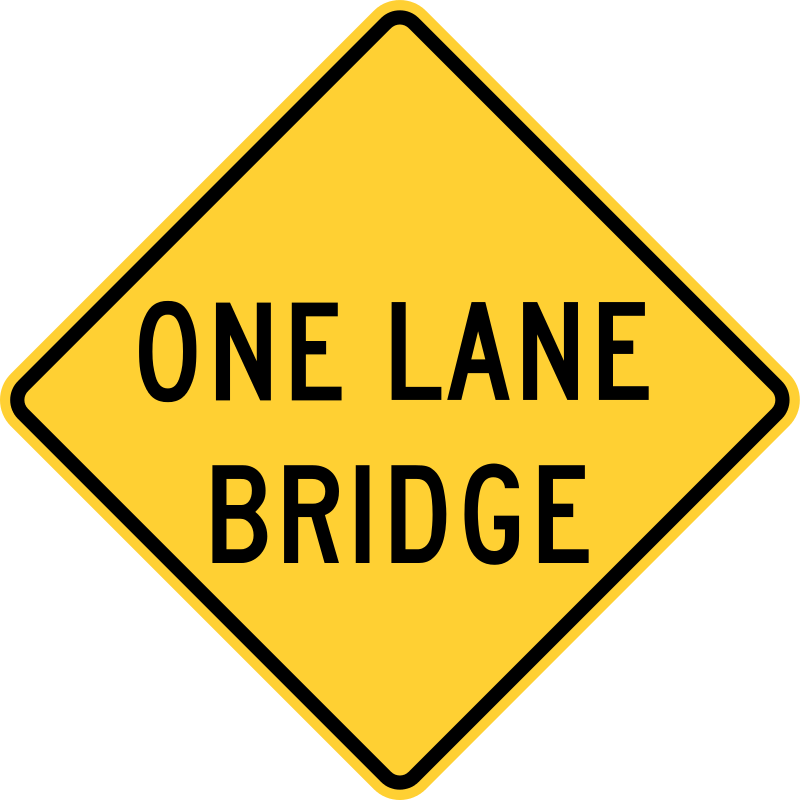
The bridge width allows only one vehicle to cross at a time. The vehicle reaching the bridge first has right-of-way; opposing traffic must wait.
What should drivers do when they see this sign?
A) Make sure the bridge is clear of oncoming traffic before they cross.
B) Look to the left and right for other traffic.
C) Allow others to merge smoothly.
4.
Paved road surface ends and transitions to gravel, dirt, or unpaved roadway. Reduce speed and prepare for reduced traction.
This road sign warns drivers that:
A) the road surface ahead changes to a low-type surface or earth road.
B) vehicles must leave the pavement immediately.
C) the dirt on the side of the road is soft.
5.
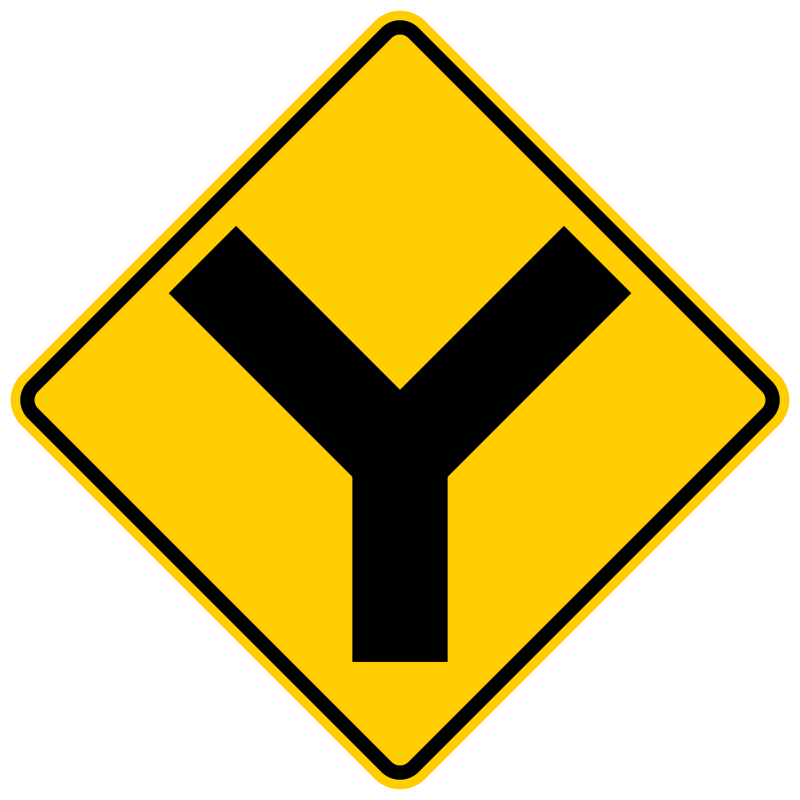
The road splits into a Y configuration ahead. Bear left or right depending on your destination and yield where marked.
This road sign means:
A) A road joins from the left
B) You must bear either right or left
C) A 3-way intersection is ahead
6.
Before stopping your vehicle on the roadway, drivers should:
A) check their mirrors for traffic.
B) place their foot on the accelerator.
C) pump the brakes to check if they work properly.
7.
At intersections, crosswalks, and railroad crossings, drivers should always:
A) look to the sides of their vehicle to see what is coming.
B) slowly pass vehicles the vehicles ahead.
C) stop, listen for oncoming traffic, and proceed with caution.
8.
Large trucks:
A) have high-tech air brakes which allow them to stop quickly.
B) take longer to stop than passenger vehicles.
C) are more maneuverable than passenger vehicles.
9.
Right turns are strictly prohibited at this intersection under all circumstances.
This road sign means:
A) No left turn
B) No right turn
C) No U-turns
10.
Blind spots are:
A) Dangerous intersection where the maximum speed limit is 15 MPH or less.
B) At night, the darkest areas of a road, where emergency flashers should be used.
C) Areas to the side or rear of a vehicle that the driver cannot see with use of mirrors.
11.
The only effective way to reduce your blood alcohol content (BAC) is:
A) drinking coffee.
B) fresh air.
C) not to drink over a period of time.
12.
Warns drivers that two separate lanes moving in the same direction are merging into one. Drivers in the right lane must adjust speed and merge smoothly with existing traffic.
When you see this sign you should:
A) turn right.
B) merge left.
C) watch for traffic to the right.
13.
Warns that a one-way street or divided highway is ending, and you are entering a roadway with oncoming traffic in the opposing lane. Stay to the right.
This road sign means:
A) Divided highway ahead
B) Two-way traffic ahead
C) Four-lane traffic ahead
14.
After passing a vehicle, it is safe to return to your lane:
A) when you can no longer see the vehicle over your right shoulder.
B) after about five seconds.
C) when you see the front bumper of the other vehicle in your mirror.
15.
A vehicle is stopped at a crosswalk to permit a pedestrian to cross the roadway. The driver of the vehicle approaching from the rear should:
A) sound the horn.
B) overtake and pass the stopped vehicle.
C) not overtake and pass the stopped vehicle.
16.
A steep downhill grade is ahead. Trucks and heavy vehicles should downshift to a lower gear to prevent brake overheating.
This sign indicates that:
A) there is a steep hill ahead.
B) trucks are merging from the right
C) there's a side road ahead
17.
What should you do if your rear wheels start to skid?
A) Steer left if your rear wheels slide right.
B) If the vehicle has ABS, pump the pedal carefully.
C) Turn the steering wheel in the direction the vehicle is trying to go.
18.
What can you do to prevent skids on snow and ice?
A) Allow the wheels to keep turning.
B) Brake early and gently.
C) All of the above.
19.
Broken yellow lines:
A) separate lanes of traffic moving in opposite directions.
B) indicate you are in a no passing zone.
C) separate lanes of traffic moving in the same direction.
20.
If an emergency vehicle with flashing lights is traveling in the area where you are driving, you must:
A) drive to the right side of the road and stop.
B) proceed slowly and let the vehicle pass.
C) keep driving in your lane.
21.
While inside the roundabout, you should:
A) remain in your lane until you are ready to exit.
B) change lanes before you check for vehicles behind you.
C) use your left turn signal if you are in position to exit now.
22.
The road curves gradually to the right ahead. Reduce speed before entering the curve.
This sign means:
A) The road will curve to the right.
B) Left turns are not allowed at the intersection.
C) Do not turn right.
23.
A solid yellow line next to a broken yellow line means that vehicles:
A) next to the solid line may pass.
B) in both directions may pass.
C) next to the broken line may pass.
24.
If the vehicle you are driving starts to skid, you should:
A) brake lightly.
B) turn off the ignition.
C) stay off the brakes.
25.
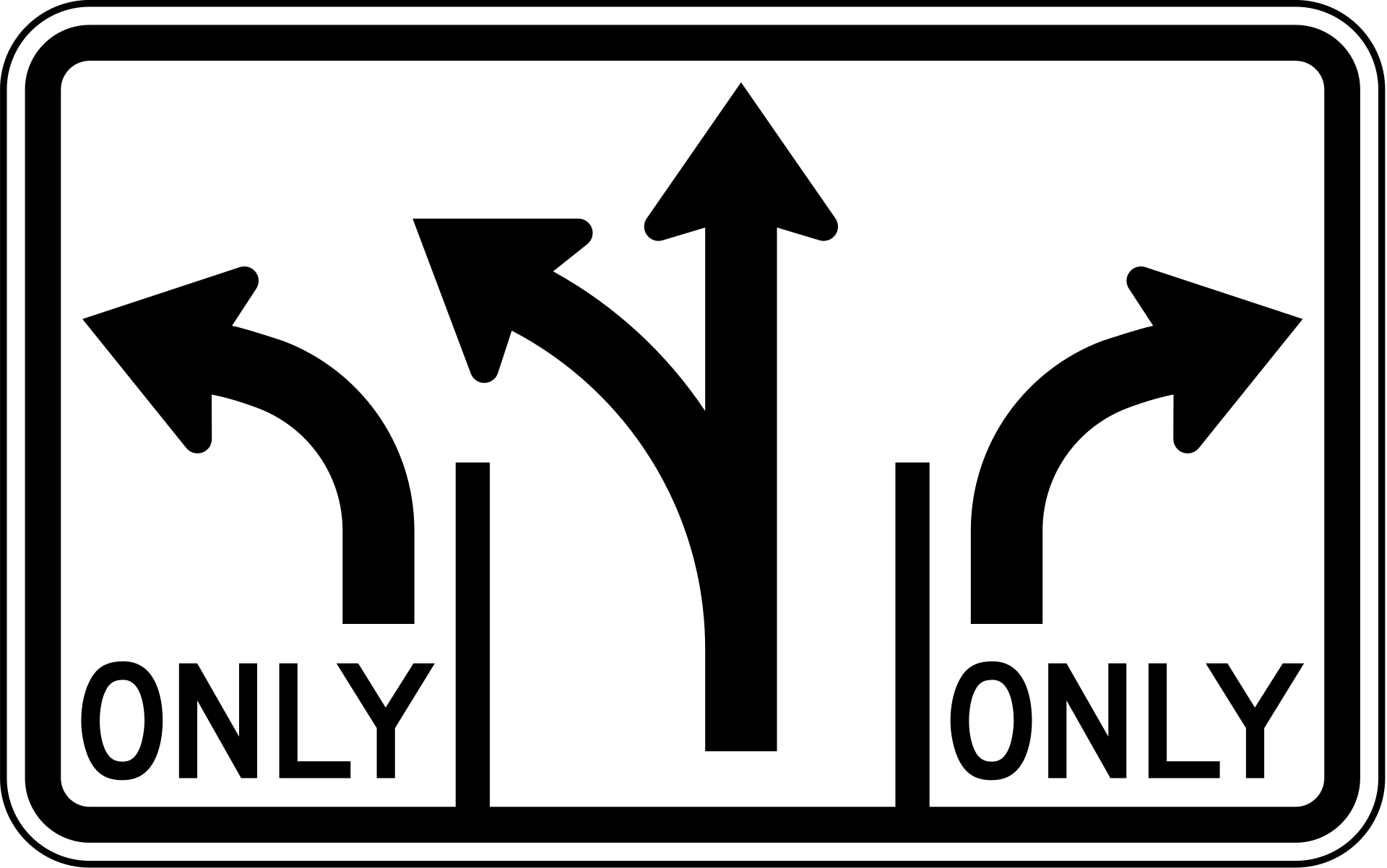
Warns of a traffic signal ahead that may not yet be visible due to a curve or hill. Be prepared to slow down and stop if the light changes.
This regulatory sign tells drivers that:
A) traffic in the left lane must turn left at the intersection ahead.
B) all vehicles must turn left immediately.
C) traffic in the right lane must go straight.
ANSWER KEY Check answers after completing the test.
1 C
2 B
3 A
4 A
5 B
6 A
7 A
8 B
9 B
10 C
11 C
12 C
13 B
14 C
15 C
16 A
17 C
18 C
19 A
20 A
21 A
22 A
23 C
24 C
25 A