A)increase their speed and keep well to the right.
B)slow down and keep well to the right.
C)slow down and keep well to the left.
3.
In heavy rain, tires can begin to ride on the water that is on top of the road pavement. This is called:
A)rideplaning.
B)hydroplaning.
C)pavement-planing.
D)waterplaning.
4.
What is the only effective method to reduce your BAC?
A)Eating before or while you drink.
B)Not drinking over a period of time.
C)Drinking coffee.
5.
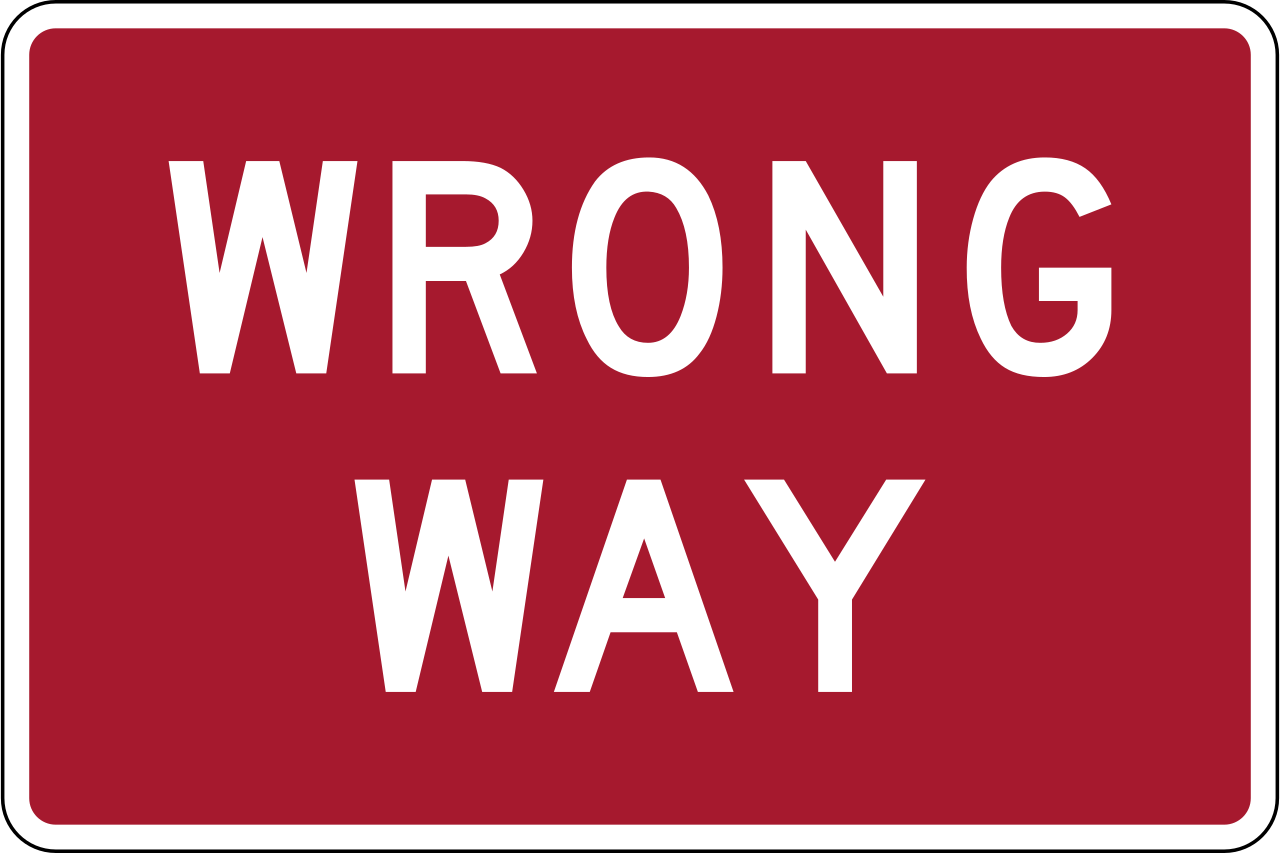
When drivers see this road sign:
A)they must come to a complete stop and call the police.
B)they must not drive past this sign.
C)they must turn around immediately.
6.
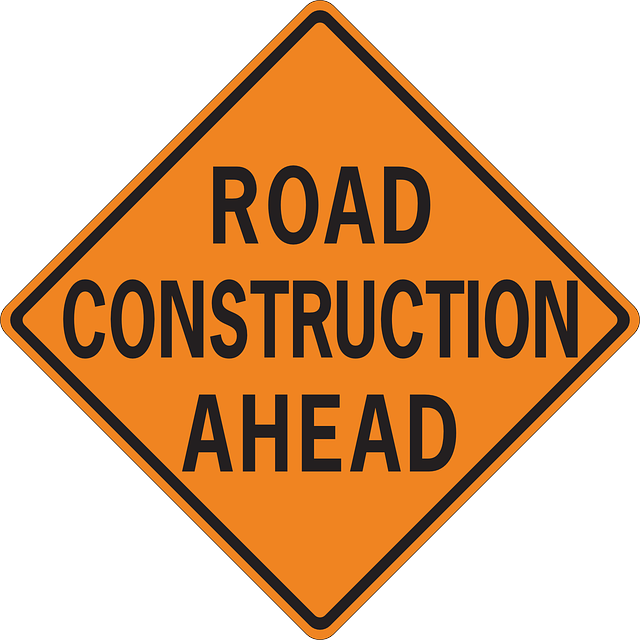
When you see this sign you should:
A)increase your speed and try to pass other vehicles.
B)slow your speed and be prepared to stop.
C)slow your speed and do not pass other vehicles.
7.
Aggressive driving behaviors can include:
A)excessive following distance.
B)erratic lane changes.
C)a tendency to drive slow.
8.
When you make a left turn from a one-way road into a one-way road, if the road you enter has two lanes, you:
A)must turn into its right lane.
B)can not turn left.
C)must turn into its left lane.
9.
When entering an interstate highway, you should check for a gap in traffic in the nearest lane, adjust your speed to match the flow of traffic, signal and:
A)wait for the lane to be clear.
B)merge into that gap when safe.
C)slow down gradually.
10.
Which sign has white letters on a red background?
A)Stop
B)School zone
C)Yield
11.
On roadways, bicyclists are considered:
A)a distraction.
B)defensive drivers.
C)vehicles.
12.
This sign means:
A)The highway ahead is divided into two one-way roadways.
B)Roundabout ahead. Slow down.
C)The divided highway on which drivers are traveling ends ahead.
13.
This sign means:
A)You may make a U-turn.
B)Hairpin corner ahead.
C)You must make a U-turn.
14.
This regulatory road sign indicates that:
A)Vehicles must slow down and stay in the right lane.
B)The right hand lane is reserved for buses and car-pool vehicles.
C)Slower vehicles traveling on multiple lane highways must stay in the right hand lane.
15.
Driving at excessive speed:
A)improves your reaction time.
B)often leads to high-risk decision-making.
C)does not increase the chance of a crash.
16.
Drivers may legally block an intersection:
A)under no circumstances.
B)only during rush hour traffic.
C)only after entering the intersection on a green light.
17.
If one of your tires blows out while driving, you should:
A)apply the brakes firmly and steer toward the right edge of the road.
B)pump the brakes.
C)hold the steering wheel firmly, slow down, and steer smoothly.
18.
It's 10 AM. This sign tells you that:
A)you are allowed to park until 5:30 PM.
B)you must display a special permit in order to park here.
C)you are not allowed to park here.
19.
Regulation signs normally are ____ rectangles with ____ letters or symbols.
A)yellow; black
B)white; black
C)green; white
20.
What is the meaning of red traffic signs?
A)High emphasis warning.
B)Stop, do not enter or wrong way.
C)Regulatory.
21.
A 4-way stop sign means:
A)The first vehicle to reach the intersection should move forward first.
B)Traffic from all four directions must stop.
C)There are four stop signs at the intersection.
D)All of the above.
22.
This sign indicates:
A)Winding road
B)Merging traffic
C)Divided highway ends
23.
This sign warns of a ________ ahead.
A)hill
B)no passing zone
C)soft shoulder
24.
This road sign means:
A)No left turn
B)No U-turn
C)Detour ahead
25.
Drivers can not pass a vehicle on the left if:
A)they approach the top of a hill on a two-way road and can not see over it.
B)they can not safely return to the right lane before they reach a solid yellow center line for the right lane.
C)All of the above.
ANSWER KEYCheck answers after completing the test.