DriveQuiz drivequiz.com

SD DMV PERMİT PRACTİCE TEST 2

South Dakota
Duration: 23 min
|
Questions: 25
Student Name:
Date:
Correct:      Incorrect:      Score:      
1.
Green and white signs:
A) give information about directions and distances.
B) are mainly used at intersections and driveways.
C) warn drivers of unexpected road conditions.
2.
Come to a complete stop before the stop line, crosswalk, or intersection. Look left, right, and left again, and proceed only when it is safe and right-of-way is clear.
When you see this sign you should stop and:
A) check traffic in all direction before proceeding.
B) check for vehicles in the opposite direction, then proceed.
C) yield the right-of way to all vehicles coming from the left.
3.
What should you do in case of a steering failure?
A) Pump your gas pedal a few times to increase the pressure.
B) Don't panic. Turn on your emergency lights to let other drivers know you are having car problems. Move toward the side of the road and bring the car to a gradual stop.
C) Leave the road immediately.
4.
A signalized intersection is ahead. Prepare to stop if the light turns yellow or red.
This sign means:
A) No traffic signal ahead
B) Traffic signal ahead
C) Open intersection ahead
5.
Slow down and give right-of-way to all oncoming vehicles, cyclists, and pedestrians. Stop completely if necessary before entering the intersection or merging.
This road sign means:
A) Yield
B) Look both ways before crossing the intersection
C) Crossroads ahead
6.
A steep downhill grade is ahead. Trucks and heavy vehicles should downshift to a lower gear to prevent brake overheating.
When they see this sign, drivers should:
A) be ready to brake sharply and stop.
B) be ready to shift to lower gear.
C) yield to trucks coming from the hill on the right.
7.
The roadway becomes particularly slippery during wet or rainy conditions. Reduce your speed, increase following distance, and avoid abrupt braking or steering.
This sign indicates:
A) Warning: drunk drivers.
B) Winding road. Drive with caution.
C) The road may be slippery when wet. Drive slowly.
8.
If your car goes into water, you should:
A) wait for water to rush in and let it out in small breaths through your nose.
B) call the fire department immediately.
C) remove yourself before it starts to sink.
9.
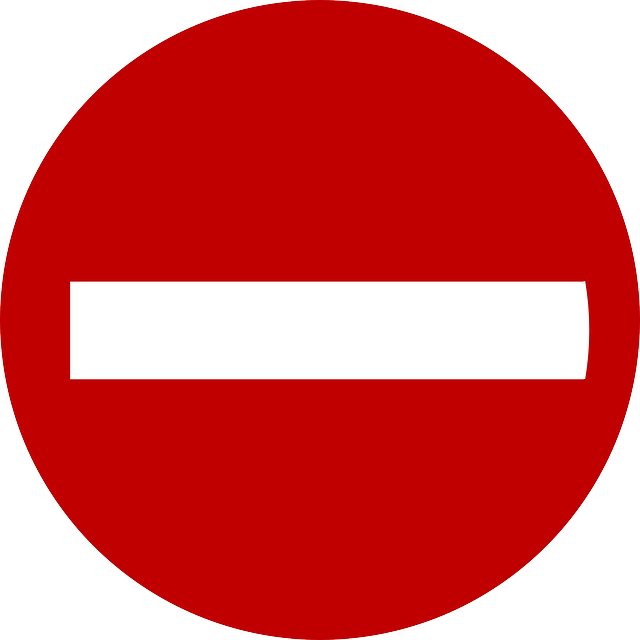
Indicates you have entered an exit ramp or one-way street in the incorrect direction. Stop immediately and safely turn around.
This road sign means:
A) No left turn
B) Lane ends
C) Do not enter
10.
The shape of a route sign tells you:
A) the type of route you are on.
B) the speed limit on that route.
C) that the route you are on might be dangerous.
11.
The road ahead is divided by a median strip or physical barrier into two separate one-way roadways. Keep to the right of the divider.
This road sign means:
A) Divided highway ahead - stay to the right
B) Do not enter
C) Do not pass
12.
When driving at night, if an approaching car is using its high-beams you should:
A) look toward the left edge of the road.
B) look toward the right edge of the road.
C) turn your lights on and off.
13.
In the following situations, drivers should increase their following interval:
A) When following vehicles that are required to come to a stop at railroad crossings.
B) When it is hard to see ahead because of bad weather.
C) All of the above.
14.
Right turns are strictly prohibited at this intersection under all circumstances.
This road sign means:
A) No left turn
B) No right turn
C) No U-turns
15.
Come to a complete stop before the stop line, crosswalk, or intersection. Look left, right, and left again, and proceed only when it is safe and right-of-way is clear.
This road sign means:
A) Slow down or stop
B) Stop
C) Road narrows ahead
16.
Slower-moving vehicles must stay in the right-hand lane to allow faster traffic to pass safely on multi-lane highways.
This road sign is:
A) a speed reduction sign.
B) a warning sign.
C) a regulatory sign.
17.
Stopping distances:
A) are not affected by vehicle speed.
B) decrease as vehicle speed increases.
C) increase as vehicle speed increases.
18.
Speed limit signs are:
A) service signs
B) regulation signs (regulatory signs)
C) warning signs
19.
When merging onto an interstate highway, drivers should:
A) always stop before entering the highway.
B) select a safe gap and merge into the lane of traffic.
C) turn on their emergency flashers right before merging.
20.
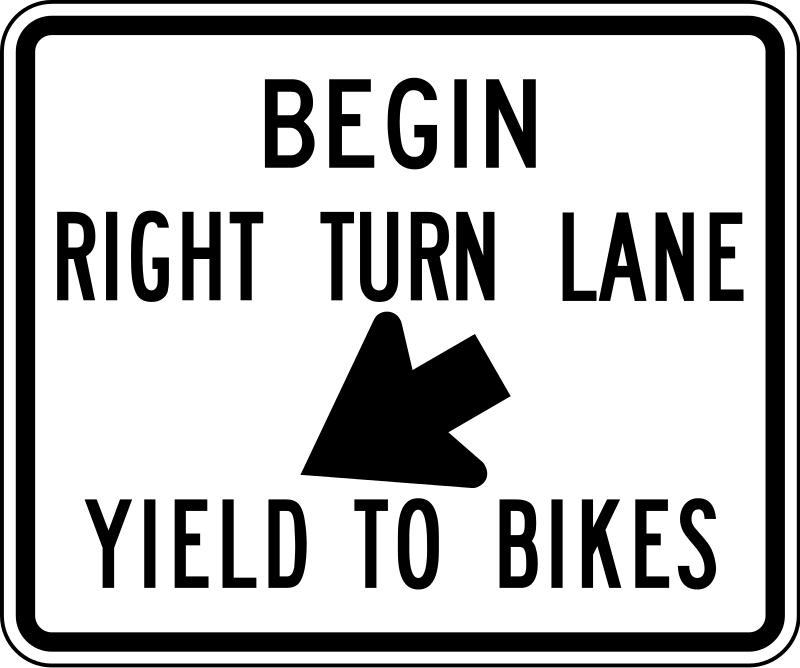
Drivers turning right must merge into the bike lane before turning, first checking mirrors and blind spots and yielding to all cyclists.
What does this road sign indicate?
A) Drivers have the right of way over bikes turning left.
B) Vehicles turning left must yield to bikes entering a right turn lane.
C) Motor vehicles entering an exclusive right-turn lane must weave across bicycle traffic in bicycle lanes.
21.
When approaching a highway-rail intersection, the first sign drivers see is usually:
A) an RXR round sign on a yellow background.
B) a stop sign.
C) a yield sign.
22.
When entering an interstate highway, drivers should:
A) check for cars and slow down to 25 MPH before merging with the flow of traffic.
B) wait for an opening in traffic on the entrance ramp.
C) adjust speed to meet a traffic gap, then merge at a safe speed.
23.
Excessive speed:
A) helps you to maneuver around obstacles.
B) saves time so you can get to your destination more quickly.
C) increases the likelihood of serious bodily injuries and death.
24.
What should you do when an aggressive driver confronts you?
A) Avoid eye contact with the aggressive driver.
B) Make eye contact.
C) Challenge the aggressive driver with increased speed.
25.
When you reach an intersection with stop signs at all four corners, you must yield the right-of-way to the driver:
A) on your right.
B) arrived before you.
C) on your left.
ANSWER KEY Check answers after completing the test.
1 A
2 A
3 B
4 B
5 A
6 B
7 C
8 C
9 C
10 A
11 A
12 B
13 C
14 B
15 B
16 C
17 C
18 B
19 B
20 C
21 A
22 C
23 C
24 A
25 B