DriveQuiz drivequiz.com

SC DMV PERMİT PRACTİCE TEST 4

South Carolina
Duration: 27 min
|
Questions: 30
Student Name:
Date:
Correct:      Incorrect:      Score:      
1.
When driving on a roadway with a single broken white line:
A) you may cross the broken white line to change lanes.
B) you may change lanes only if you are in the right lane.
C) you may not cross the broken white line.
2.
Warns of a traffic signal ahead that may not yet be visible due to a curve or hill. Be prepared to slow down and stop if the light changes.
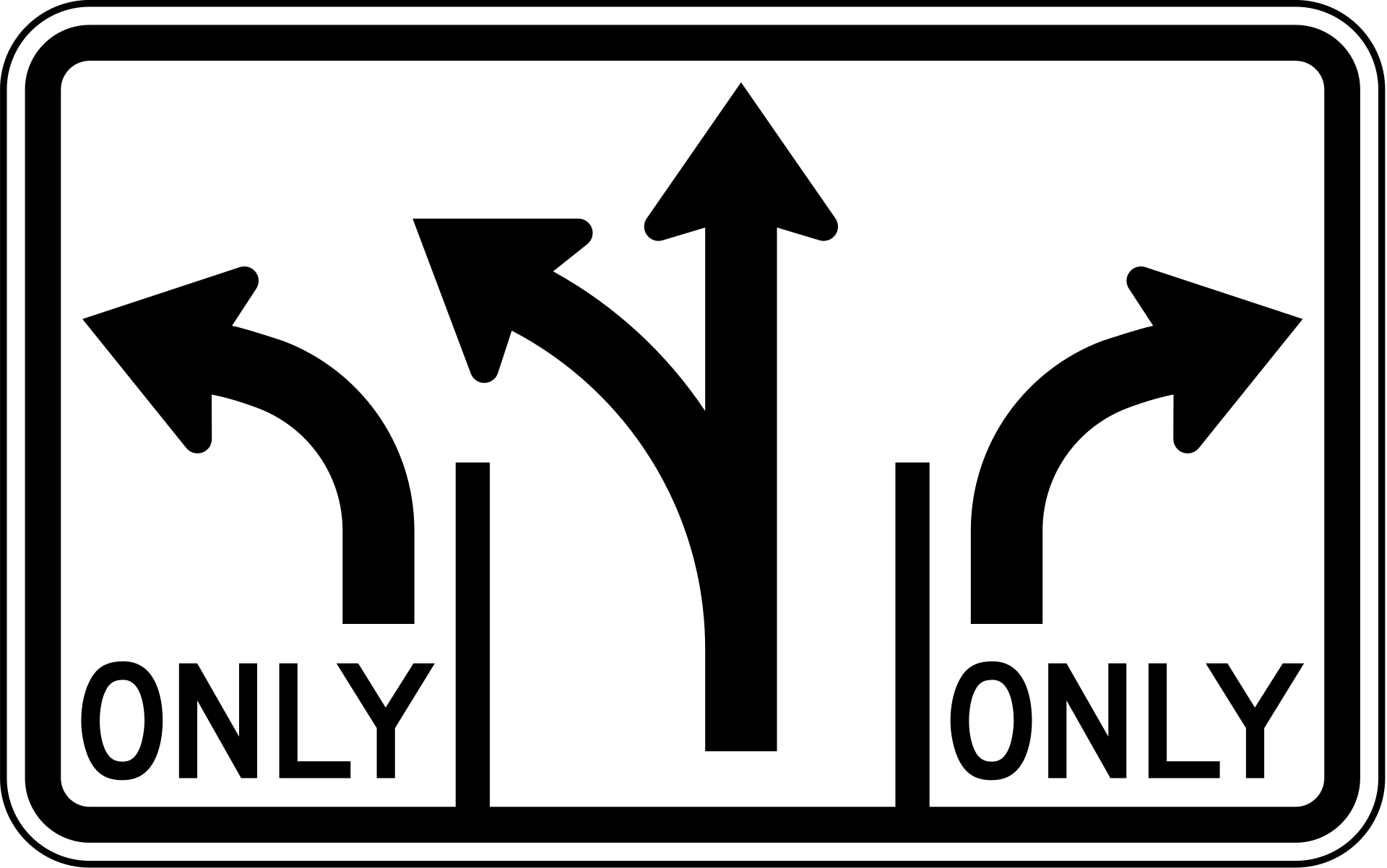
This regulatory sign tells drivers that:
A) traffic in the left lane must turn left at the intersection ahead.
B) all vehicles must turn left immediately.
C) traffic in the right lane must go straight.
3.
Which signs have black letters on a white background?
A) Warning signs (diamond)
B) Regulatory signs (vertical rectangle)
C) Guide signs (horizontal rectangle)
4.
Alcohol is:
A) A stimulant.
B) A depressant.
C) A dopant.
5.
Double yellow lines mean you may pass another vehicle from either direction.
A) True
B) False
6.
A steep downhill grade is ahead. Trucks and heavy vehicles should downshift to a lower gear to prevent brake overheating.
When they see this sign, drivers should:
A) be ready to brake sharply and stop.
B) be ready to shift to lower gear.
C) yield to trucks coming from the hill on the right.
7.
Which statement about commercial vehicles is true?
A) Large vehicles have much larger blind spots than cars.
B) It takes longer to stop and accelerate a large vehicle.
C) All of the above.
8.
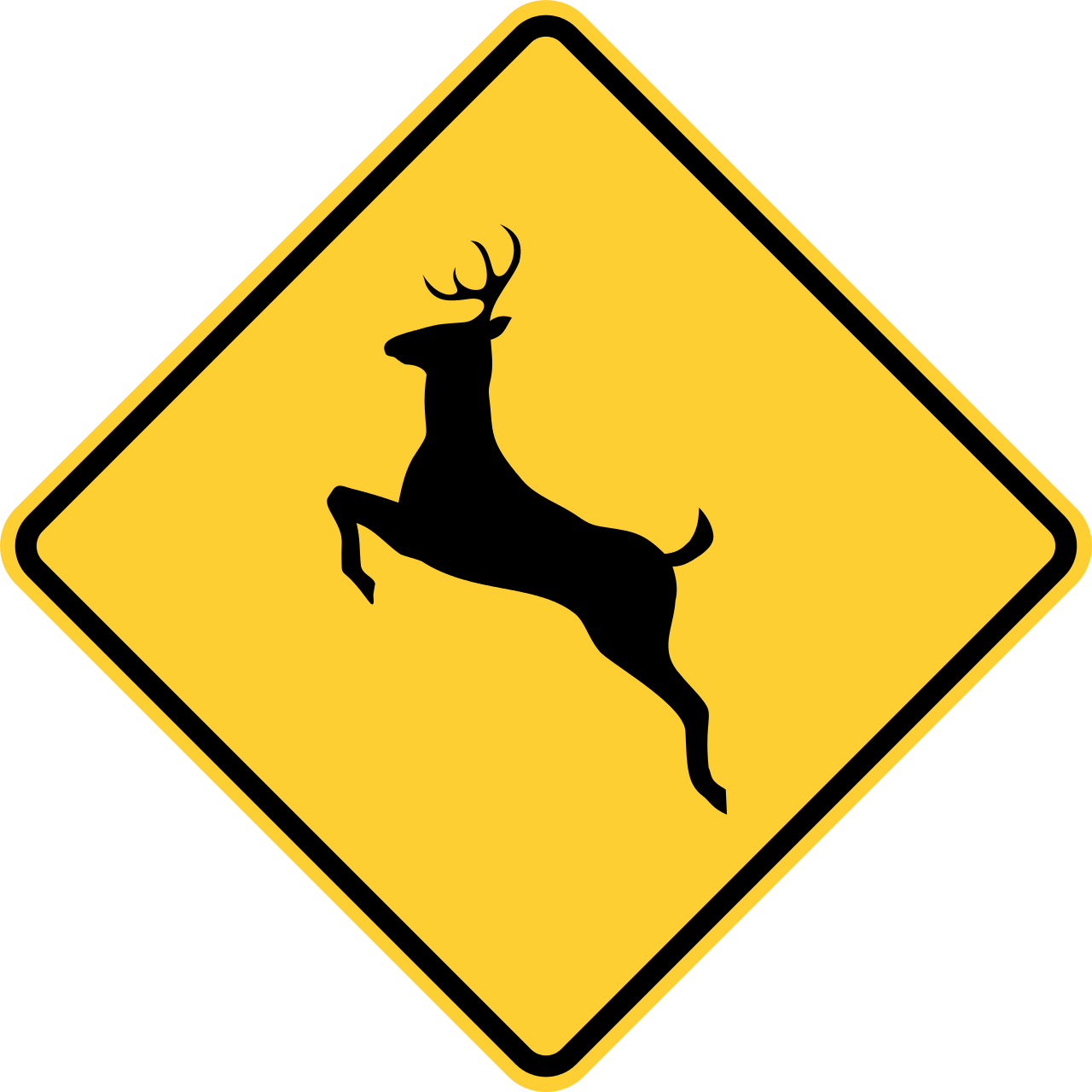
Wildlife and deer frequently cross in this area, especially at dawn and dusk. Scan the roadside and be prepared to brake safely.
When they see this road sign, drivers should:
A) drive carefully because the animal pictured on the sign is extremely rare in the area.
B) watch for this species crossing the road.
C) park in the zoo area.
9.
Who is most at risk?
A) Drivers who have overslept.
B) Drivers who are driving long distances without rest breaks.
C) Experienced drivers.
10.
When driving in fog, you should never use your high beams because:
A) the light will reflect back into your eyes.
B) vehicles behind you may follow too closely.
C) oncoming vehicles might not see you.
11.
Vehicles stopped behind a school bus when the red lights are flashing must remain stopped until:
A) the flashing lights turn green.
B) the stop arm is retracted and the bus begins moving.
C) all students are off the bus.
12.
Never make a U-turn from:
A) the lane you’re in.
B) the right lane.
C) the left part of the lane nearest to the centerline of the roadway.
13.
A sharp curve is ahead with a recommended safe speed plate. Slow down before entering the curve to prevent vehicle rollover.
This sign indicates that:
A) the highest safe speed drivers should travel around the curve ahead is 25 MPH.
B) the safe speed around the curve ahead is at least 25 MPH.
C) drivers may not turn right if traveling at 25 MPH or less.
14.
Which of the following is against the law and is punishable by a fine and/or imprisonment?
A) Using your emergency flashers unnecessarily.
B) Speeding.
C) Steering with one hand.
15.
Object marker used to mark obstacles or bridge abutments near the edge of the road to alert drivers at night.
When they see a yellow X signal, drivers should:
A) come to a complete stop at the marked stop line.
B) turn off the ignition.
C) prepare to leave the lane safely.
16.
Blind spots are:
A) Dangerous intersection where the maximum speed limit is 15 MPH or less.
B) At night, the darkest areas of a road, where emergency flashers should be used.
C) Areas to the side or rear of a vehicle that the driver cannot see with use of mirrors.
17.
When children are close, what should you do before you back out of a driveway?
A) Rely on your mirrors.
B) Get out of the car and check behind the car.
C) Look through your back window for children.
18.
The only effective way to remove alcohol from the body is:
A) taking a cold shower.
B) drinking strong coffee.
C) time.
19.
A flashing red light at an intersection means:
A) Stop and yield the right of way.
B) You have the right-of-way.
C) Stop and wait for the green light
20.
There are two traffic lanes in your direction. You are driving in the left lane and many vehicles are passing you on the right, and the driver behind you wishes to drive faster. You should:
A) stay in your lane and maintain your current speed.
B) drive onto the left shoulder to let the other driver pass.
C) move over into the right lane when safe to do so.
21.
When a stop line is present at a stop sign, drivers must stop:
A) at the line.
B) only if pedestrians are in the crosswalk.
C) only if the traffic signal turns red.
22.
Drivers are required to stop upon meeting a stopped school bus when traveling in the opposite direction on a multi-lane highway.
A) False
B) True
23.
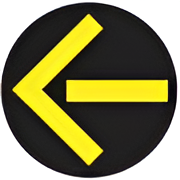
Unprotected left turns are allowed. You may turn left after yielding to oncoming traffic and pedestrians crossing the street.
What does a yellow arrow signal mean?
A) The same as the yellow light, but applies only to movement in the direction of the arrow.
B) The same as a green light.
C) Vehicles moving in all directions must stop if they can. The light will soon be red.
24.
The faster the speed, the longer it takes a vehicle to slow down and come to a complete stop.
A) False
B) True
25.
While inside the roundabout, you should:
A) remain in your lane until you are ready to exit.
B) change lanes before you check for vehicles behind you.
C) use your left turn signal if you are in position to exit now.
26.
When meeting a stopped school bus traveling in the opposite direction on a multi-lane highway, drivers are not required to stop.
A) False
B) True
27.
What happens if two vehicles reach at the same time an intersection with four-way stop signs?
A) The driver on the right yields to the driver on the left.
B) The driver on the left yields to the driver on the right.
C) The first vehicle to reach the intersection must yield.
28.
Drivers must stop for a school bus:
A) on any two-lane highway.
B) when the bus is in a passenger loading zone completely off the main travel lanes.
C) only if children are crossing the street.
29.
When you are backing up, it is usually best to:
A) steer with both hands, look into the rearview mirror and back up slowly.
B) steer with one hand, while looking out the rear window.
C) steer with both hands, open the left door and look back.
30.
Can you drive on the shoulder of the road to pass a car?
A) Yes, but only if the shoulder is wide enough.
B) Yes, but only if the vehicle ahead of you is turning left.
C) No.
ANSWER KEY Check answers after completing the test.
1 A
2 A
3 B
4 B
5 B
6 B
7 C
8 B
9 B
10 A
11 B
12 B
13 A
14 B
15 C
16 C
17 B
18 C
19 A
20 C
21 A
22 A
23 A
24 B
25 A
26 B
27 B
28 A
29 B
30 C