DriveQuiz drivequiz.com

OR DMV PERMİT PRACTİCE TEST 14

Oregon
Duration: 32 min
|
Questions: 35
Student Name:
Date:
Correct:      Incorrect:      Score:      
1.
You face a green light, but traffic on the other side of the intersection does not allow you to travel all the way through the intersection. What must you do?
A) Enter the intersection and wait until traffic ahead clears.
B) Wait for the next green light.
C) Wait until traffic ahead clears, so you do not block the intersection.
2.
At intersections marked with stop lines, drivers must:
A) come to a complete stop.
B) slow down and enter the intersection.
C) signal other vehicles to stop.
3.
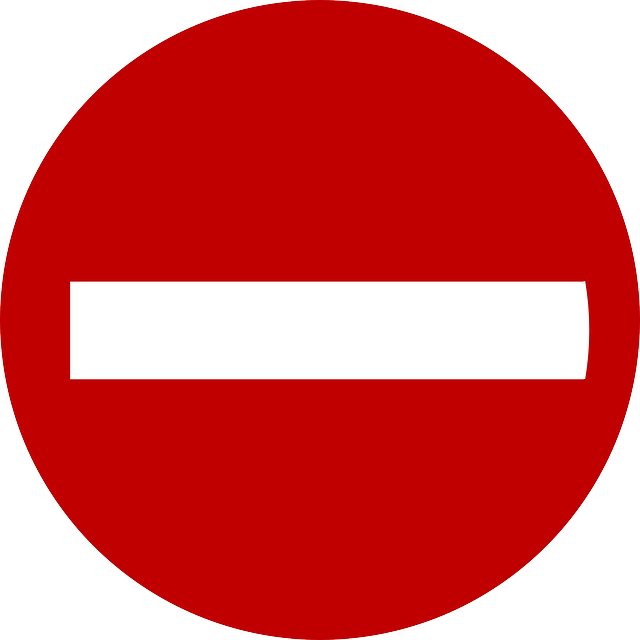
Indicates you have entered an exit ramp or one-way street in the incorrect direction. Stop immediately and safely turn around.
This road sign means:
A) No left turn
B) Lane ends
C) Do not enter
4.
Where are yield signs usually placed?
A) At intersections, if there is no marked stop line.
B) Where auxiliary roads lead into major roads.
C) Where major roads lead into auxiliary roads.
5.
Which of the following is a defensive driving skill/technique?
A) Maintain the correct speed.
B) Do not drive if you are very weary.
C) All of the above.
6.
If a traffic officer signals you to drive through a red light:
A) you must do it.
B) you must wait for the red light to turn green.
C) you must not obey the officer. Signs and signals take precedence over directions given by traffic officers.
7.
Slower-moving vehicles must stay in the right-hand lane to allow faster traffic to pass safely on multi-lane highways.
This regulatory road sign indicates that:
A) Vehicles must slow down and stay in the right lane.
B) The right hand lane is reserved for buses and car-pool vehicles.
C) Slower vehicles traveling on multiple lane highways must stay in the right hand lane.
8.
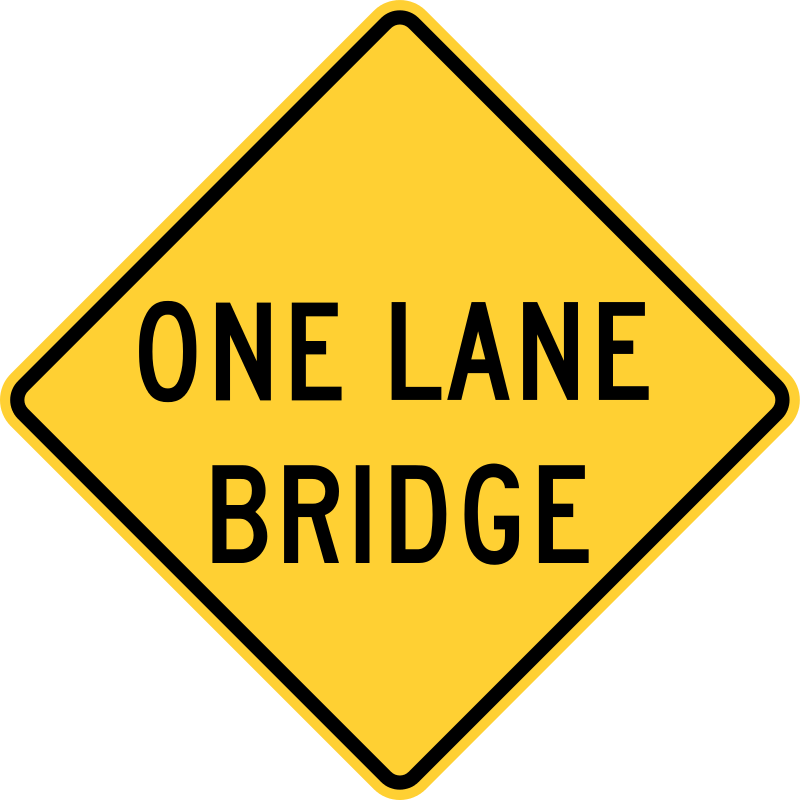
The bridge width allows only one vehicle to cross at a time. The vehicle reaching the bridge first has right-of-way; opposing traffic must wait.
What should drivers do when they see this sign?
A) Make sure the bridge is clear of oncoming traffic before they cross.
B) Look to the left and right for other traffic.
C) Allow others to merge smoothly.
9.
If you see a “lane closed ahead” sign you should:
A) make a U-turn. You are on the wrong side of the road.
B) merge into the correct lane when it is safe.
C) speed to the end of the closed lane and try to get into the other lane.
10.
The median divider ends ahead, and you are returning to a two-way, two-lane undivided roadway. Watch for oncoming traffic on your left.
This road sign means:
A) Curves ahead
B) Divided highway ahead
C) Divided highway ends
11.
At night, it is hardest to see:
A) street lights.
B) pedestrians.
C) other motorists.
D) road signs.
12.
Traffic lights are normally ____________ from the top to bottom or left to right.
A) red, green and yellow
B) green, yellow and red
C) red, yellow and green
13.
Lanes of traffic moving in the same direction are divided by ____ lines.
A) orange
B) yellow
C) black
D) white
14.
When parking on a public road, drivers should:
A) move as far away from traffic as possible.
B) always park on the left side of the roadway.
C) All of the above.
15.
Come to a complete stop before the stop line, crosswalk, or intersection. Look left, right, and left again, and proceed only when it is safe and right-of-way is clear.
This road sign means:
A) Drive with caution and be ready to stop
B) Slow down or stop
C) You must come to a complete stop
16.
What do pennant-shaped signs indicate?
A) A school crossing
B) Yield
C) A No Passing Zone
17.
Drivers who eat and drink while driving:
A) have no driving errors.
B) may have trouble controlling their vehicles.
C) must yield the right-of-way.
D) tend to be more aggressive.
18.
Indicates the maximum bridge or underpass vertical clearance. Vehicles taller than the posted height must not proceed.
This sign indicates:
A) the maximum width of a vehicle allowed on the highway.
B) the maximum legal height allowed in this State.
C) the overpass ahead has a low clearance.
D) a steep grade
19.
When following a motorcycle, drivers must remember that motorcycles can ____________ than other vehicles.
A) accelerate much faster
B) stop much more quickly
C) stop much more slowly
20.
Drivers may cross solid yellow lines:
A) at any time.
B) only to pass traffic moving in the same direction.
C) when making turns.
D) during daylight hours only.
21.
When driving at night with no other vehicles ahead, a driver should use:
A) high beam lights.
B) low-beam lights.
C) parking lights.
22.
In heavy rain, tires can begin to ride on the water that is on top of the road pavement. This is called:
A) rideplaning.
B) hydroplaning.
C) pavement-planing.
D) waterplaning.
23.
The road curves gradually to the right ahead. Reduce speed before entering the curve.
This sign means:
A) The road will curve to the right.
B) Left turns are not allowed at the intersection.
C) Do not turn right.
24.
The road curves gradually to the right ahead. Reduce speed before entering the curve.
When they see this sign, drivers should:
A) increase their speed and keep well to the right.
B) slow down and keep well to the right.
C) slow down and keep well to the left.
25.
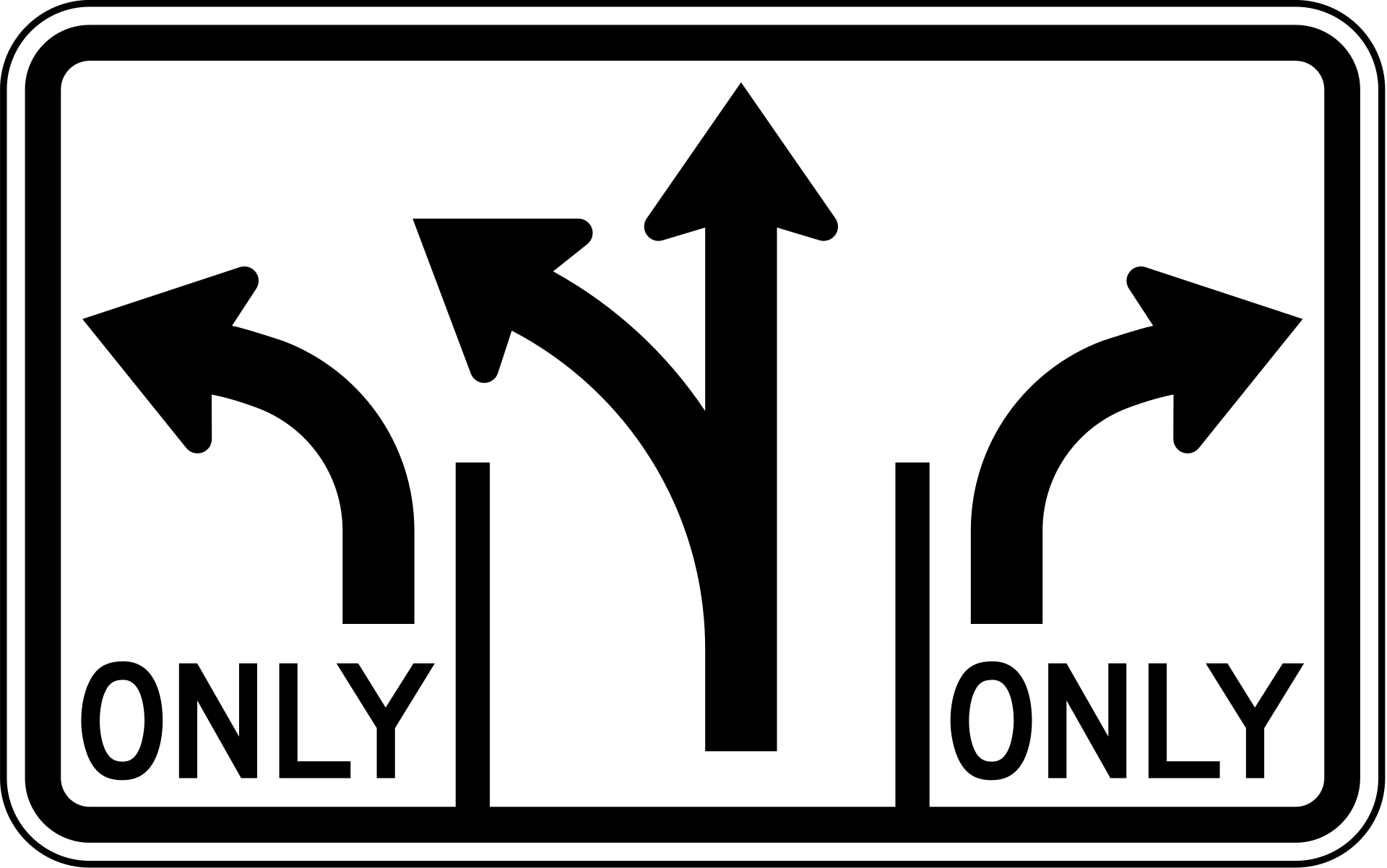
Warns of a traffic signal ahead that may not yet be visible due to a curve or hill. Be prepared to slow down and stop if the light changes.
This regulatory sign tells drivers that:
A) traffic in the left lane must turn left at the intersection ahead.
B) all vehicles must turn left immediately.
C) traffic in the right lane must go straight.
26.
Object marker used to mark obstacles or bridge abutments near the edge of the road to alert drivers at night.
When they see a yellow X signal, drivers should:
A) come to a complete stop at the marked stop line.
B) turn off the ignition.
C) prepare to leave the lane safely.
27.
Road signs that point out scenic areas and parks are:
A) brown and white.
B) black and orange.
C) green and white.
28.
Aggressive drivers:
A) run stop signs.
B) are high risk drivers.
C) tailgate other vehicles and make improper lane changes.
D) All of the above.
29.
Right turns are strictly prohibited at this intersection under all circumstances.
This road sign means:
A) Right turn permitted on red light
B) Drivers must turn right
C) No U-turns
D) No right turn permitted
30.
When you get in a car to drive, the first thing you should do is:
A) check your rear view mirror.
B) adjust the steering wheel.
C) adjust your seat belt.
D) adjust your seat.
31.
Which of the following may result in an arrest for driving under the influence of intoxicants (DUII)?
A) A controlled substance, such as prescription medicines or illegal drugs.
B) An inhalant, such as glue or paint.
C) Alcohol
D) All of the above.
32.
If you drink alcohol socially, what helps insure safe driving?
A) Stop drinking one hour before driving.
B) Drink coffee before driving.
C) Take a cold shower before driving.
D) Ride home with a friend who has not been drinking.
33.
Who is most at risk?
A) Drivers who have overslept.
B) Drivers who are driving long distances without rest breaks.
C) Experienced drivers.
34.
Yellow traffic signs:
A) guide drivers.
B) when combined with an octagonal shape, tell drivers they must come to a complete stop at the marked stop line.
C) warn drivers.
35.
A flashing yellow light means:
A) The light will soon change from green to red.
B) Drive with caution.
C) Yield the right-of-way to other traffic at the intersection.
ANSWER KEY Check answers after completing the test.
1 C
2 A
3 C
4 B
5 C
6 A
7 C
8 A
9 B
10 C
11 B
12 C
13 D
14 A
15 C
16 C
17 B
18 C
19 B
20 C
21 A
22 B
23 A
24 C
25 A
26 C
27 A
28 D
29 D
30 D
31 D
32 D
33 B
34 C
35 B