DriveQuiz drivequiz.com

NE DMV PERMİT PRACTİCE TEST 3

Nebraska
Duration: 23 min
|
Questions: 25
Student Name:
Date:
Correct:      Incorrect:      Score:      
1.
If an emergency vehicle with flashing lights is traveling in the area where you are driving, you must:
A) drive to the right side of the road and stop.
B) proceed slowly and let the vehicle pass.
C) keep driving in your lane.
2.
When parking on a public road, drivers should:
A) move as far away from traffic as possible.
B) always park on the left side of the roadway.
C) All of the above.
3.
The roadway becomes particularly slippery during wet or rainy conditions. Reduce your speed, increase following distance, and avoid abrupt braking or steering.
When they see this sign, drivers:
A) should be prepared to make sharp turns at a high speed.
B) need to be prepared to turn right and then left quickly.
C) should not speed up or brake quickly.
4.
What is the first thing you should do if your wheels move off the pavement?
A) Pull the steering wheel back.
B) Pull over to the right and sound your horn to warn the other drivers.
C) Ease your foot off the gas pedal and brake gently.
5.
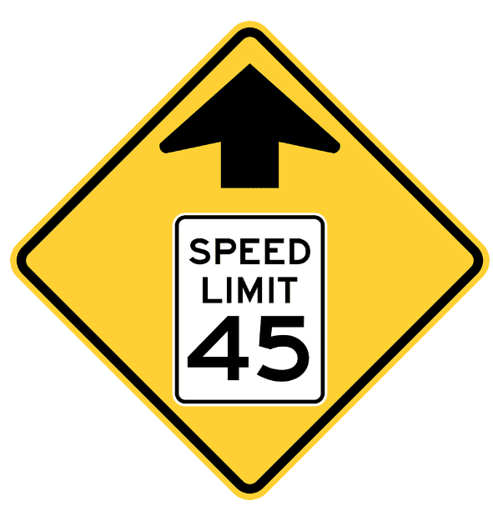
Recommended safe maximum driving speed in ideal conditions for an upcoming curve, ramp, or hazardous stretch of road.
This warning sign:
A) provides advance notice to upcoming speed limit change.
B) shows the current speed limit that all vehicles traveling in the direction of the arrow must not exceed.
C) indicates the suggested highest safe speed.
6.
When driving in work zones, drivers should:
A) come to a complete stop and look for a flagger.
B) stay alert, slow down and be prepared to stop.
C) alert drivers as they approach and enter the work zone.
7.
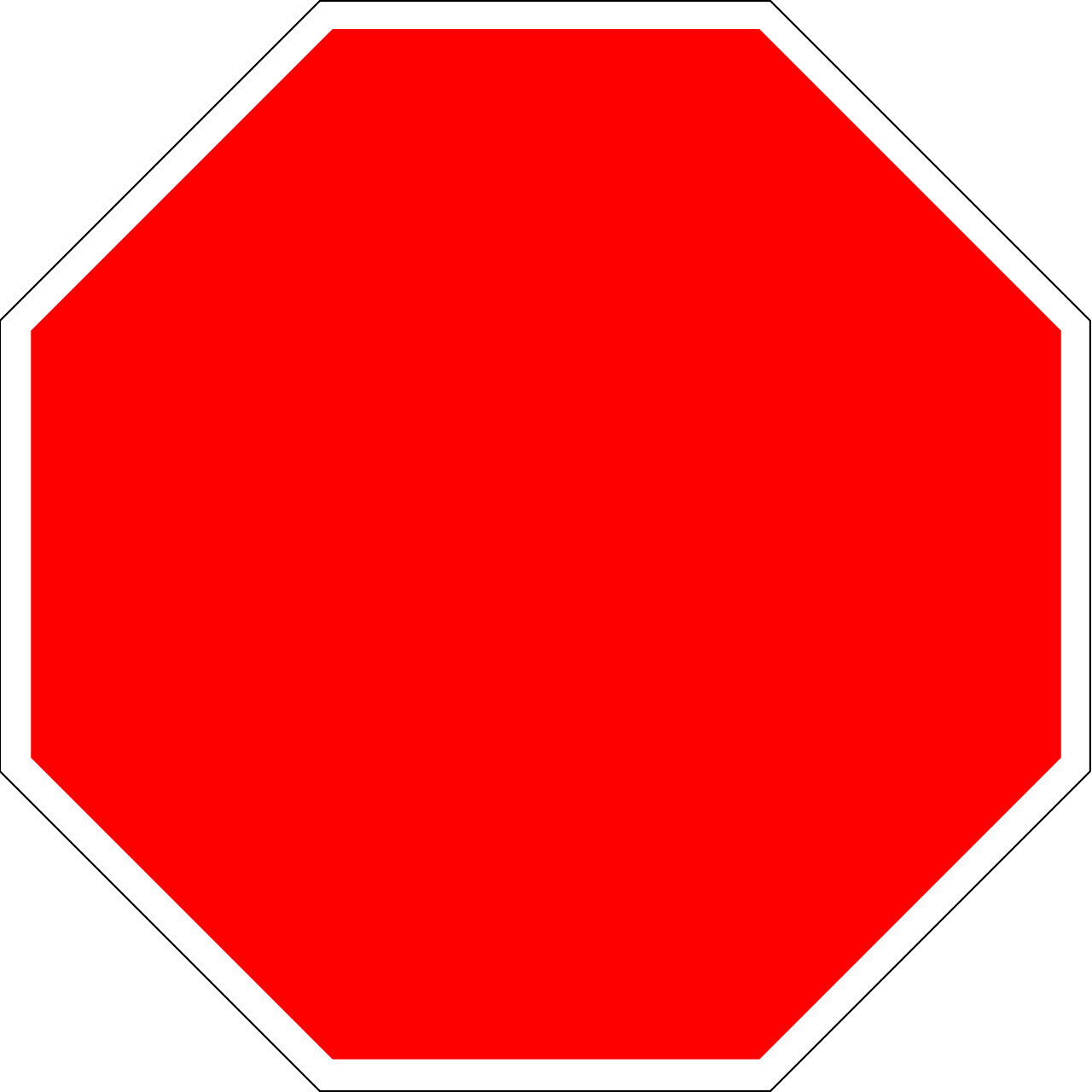
The 8-sided octagon shape always indicates a mandatory STOP in US traffic regulation.
This road sign means:
A) Be prepared to stop if necessary
B) Slow down and be prepared to stop
C) Stop and yield to pedestrians and cross traffic
8.
A vehicle that enters a road from a driveway:
A) has the right-of-way.
B) must yield to traffic approaching from the right, while it has the right-of-way over vehicles approaching from the left.
C) must stop and yield the right-of-way to traffic on the roadway and to pedestrians.
9.
When approach a stopped emergency vehicle with flashing lights on a multi-lane controlled access highway, drivers must:
A) move into a lane at least one lane away from stopped vehicles, if possible.
B) continue at the same speed.
C) immediately come to a complete stop.
D) pull off the road and stop.
10.
After parking, are you allowed to open a door on the road side of your vehicle?
A) Yes, always.
B) Yes, but only if it does not interfere with bicyclists and other traffic.
C) No, never.
11.
While driving, it is important to slow down:
A) when the road is wet.
B) on narrow roads.
C) at intersections.
D) All of the above.
12.
What should you do in case of a brake failure?
A) Pull off the road into an open space, if available.
B) Apply the parking brake slowly.
C) All of the above.
13.
If another vehicle passes you on the left, you must:
A) increase your speed slightly and keep to the right.
B) decrease your speed, then pull over to the right and stop.
C) decrease your speed slightly and keep to the right.
14.
When you are approaching a railroad crossing with no signal lights or crossing gates, you should:
A) come to a complete stop.
B) look both ways, listen for and yield to trains and be prepared to stop if a train is approaching.
C) proceed at a constant speed while looking and listening for trains.
15.
The road makes a sharp 90-degree right turn ahead. Slow down considerably before entering the turn.
This sign warns drivers of:
A) a side road.
B) a sharp turn.
C) a cross road.
16.
What happens if two vehicles reach at the same time an intersection with four-way stop signs?
A) The driver on the right yields to the driver on the left.
B) The driver on the left yields to the driver on the right.
C) The first vehicle to reach the intersection must yield.
17.
The first vehicle to reach the intersection must yield.
A) Your weight. The type of beverage you drink. How fit you are.
B) Your weight. How much alcohol you drink. How much time passes between drinks.
C) How fit you are. How much alcohol you drink. Your height.
D) Your height. How much alcohol you drink. The type of beverage you drink.
18.
If the entrance lane is too short to allow acceleration to expressway speed, you should:
A) stop and wait for a large space in traffic.
B) enter the expressway and accelerate quickly.
C) reduce your speed to 15 MPH or less and blend with traffic.
19.
Warns drivers that two separate lanes moving in the same direction are merging into one. Drivers in the right lane must adjust speed and merge smoothly with existing traffic.
This yellow sign means:
A) Lane ends ahead
B) Undivided highway ahead
C) Merging traffic ahead
20.
Prohibits drivers from making a 180-degree turn to travel in the opposite direction at this intersection or stretch of road.
The picture shows a _________ sign.
A) no U-turn
B) no left turn
C) sharp turn
21.
Does a vehicle prepared to enter a traffic circle or rotary have right-of-way over vehicles in the circle?
A) Yes, but only if they are entering the rotary from the right lane.
B) No. Vehicles already in the circle have the right-of-way.
C) Only if the light is green.
D) Yes.
22.
You face a green light, but traffic on the other side of the intersection does not allow you to travel all the way through the intersection. What must you do?
A) Enter the intersection and wait until traffic ahead clears.
B) Wait for the next green light.
C) Wait until traffic ahead clears, so you do not block the intersection.
23.
Standard rectangular shape used for general regulatory instructions and speed limits.
Vertical rectangles tell drivers:
A) the law.
B) what is not allowed.
C) the direction they should travel.
24.
Parking, standing, or stopping is prohibited at all times in this designated zone except for emergency vehicles.
This sign means:
A) U-turns are not allowed.
B) Parking is not allowed.
C) No parking on pavement.
25.
Slower-moving vehicles must stay in the right-hand lane to allow faster traffic to pass safely on multi-lane highways.
This road sign is:
A) a speed reduction sign.
B) a warning sign.
C) a regulatory sign.
ANSWER KEY Check answers after completing the test.
1 A
2 A
3 C
4 C
5 A
6 B
7 C
8 C
9 A
10 B
11 D
12 C
13 C
14 B
15 B
16 B
17 B
18 A
19 C
20 A
21 B
22 C
23 A
24 B
25 C