DriveQuiz drivequiz.com

ND DMV PERMİT PRACTİCE TEST 12

North Dakota
Duration: 23 min
|
Questions: 25
Student Name:
Date:
Correct:      Incorrect:      Score:      
1.
Where must a pedestrian walk when there are no sidewalks?
A) On the side of the road, in the same direction of traffic.
B) In the middle of the road, facing oncoming traffic.
C) On the side of the road, facing the traffic.
2.
Indicates a series of three or more consecutive sharp turns or curves ahead. Reduce speed and maintain lane control.
This road sign means:
A) Pavement ends
B) Winding road
C) Double curve ahead
3.
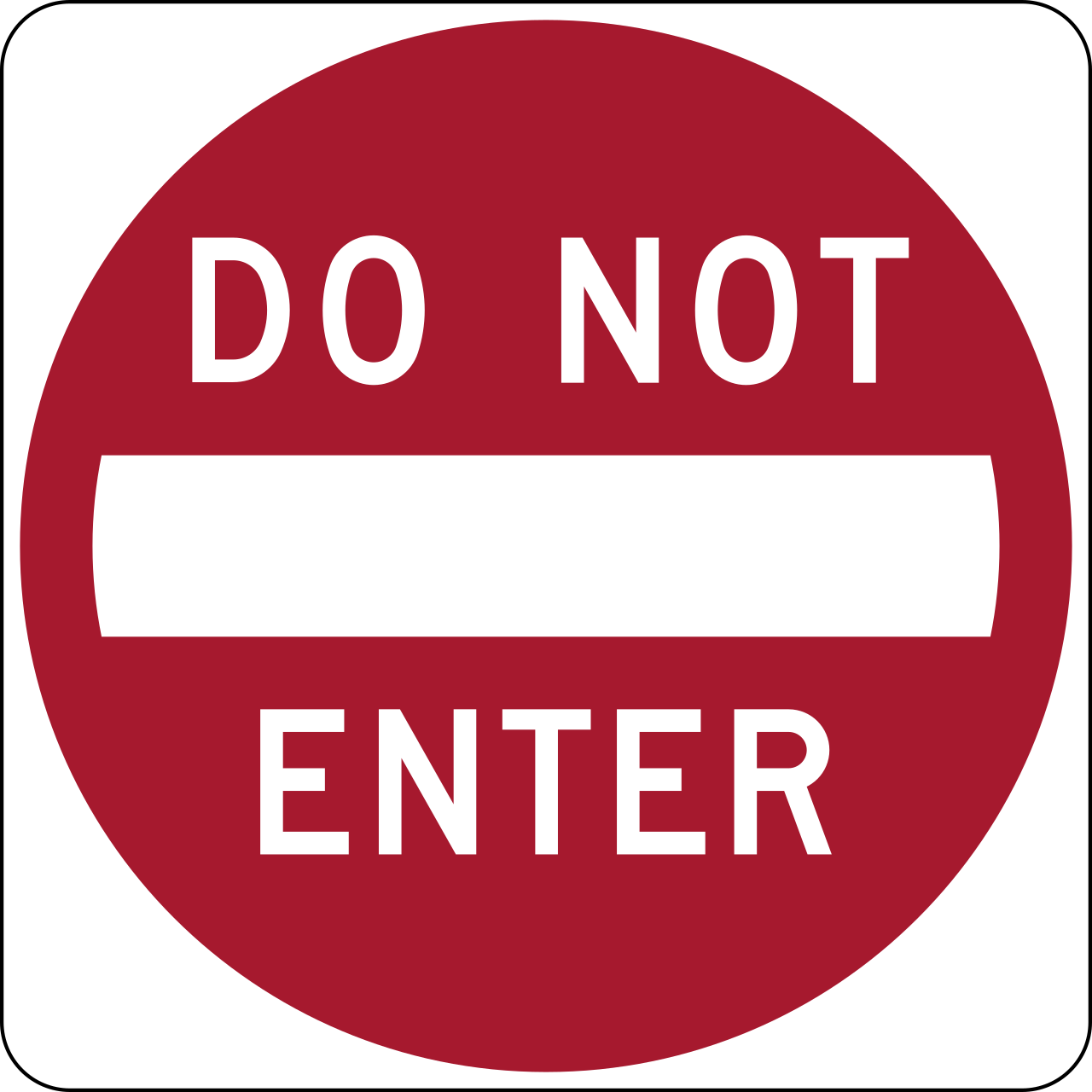
Marks a roadway or ramp where vehicular traffic is strictly forbidden to enter from your direction (such as freeway off-ramps or one-way streets).
This sign indicates:
A) that you must not drive past this sign.
B) that you must yield the right-of-way.
C) the entrance to a construction site.
D) the entrance to a dead-end street.
4.
Drugs may interfere with a person’s ability to drive safely:
A) unless they are prescribed by a doctor.
B) even if they are prescribed by a doctor.
C) only when driving at night.
D) only when combined with alcohol.
5.
When an approaching driver at night blinds you by failing to dim their high beams, you should look:
A) straight down the middle of the road.
B) towards the left side of the road.
C) None of the other answers is correct.
D) towards the right side of the road.
6.
Speed limit signs are:
A) service signs
B) regulation signs (regulatory signs)
C) warning signs
7.
BAC is expressed in:
A) percentage of alcohol to blood.
B) percentage of blood to alcohol.
C) ounces of alcohol in your blood.
8.
Which of the following is a common cause of a traffic collisions?
A) Following too closely.
B) Excessive speed for conditions.
C) Distracted driving.
D) All of the above.
9.
Alerts drivers to an upcoming crosswalk where pedestrians frequently cross. Slow down and yield right-of-way to anyone in or about to enter the roadway.
What should drivers do when they see this road sign?
A) come to a complete stop and wait for a train to cross.
B) slow down, look for a train, and be prepared to stop.
C) look for a human flagger.
10.
Regulatory signs are:
A) Suggestions
B) Warnings
C) Law
11.
What can you do to prevent skids on snow and ice?
A) Allow the wheels to keep turning.
B) Brake early and gently.
C) All of the above.
12.
You are driving behind another vehicle and notice that the driver is driving with one hand, talking to a passenger. You as a driver:
A) know that you should avoid this bad habit.
B) know that you should give the vehicle ahead extra room.
C) know that the driver in the vehicle ahead is reducing his safety margin by being an inattentive driver.
D) All of the above.
13.
When parked facing down hill, your wheels should be turned:
A) toward the curb.
B) in any direction.
C) parallel to the curb.
D) away from the curb.
14.
Another road crosses the highway ahead. Look left and right for crossing or entering vehicles.
This road sign means:
A) Church ahead
B) Intersection ahead
C) Do not enter
D) Side road
15.
Reflective orange triangle displayed on vehicles traveling at 25 MPH or slower (such as farm tractors or construction machinery). Approach with caution and pass safely.
The sign in the picture:
A) is a Construction and Maintenance Traffic Control sign.
B) is found at most intersections and indicates that drivers must yield to other vehicles.
C) is displayed on the rear of slow moving vehicles.
16.
What do flashing red lights on a school bus indicate?
A) The bus is stopped to load or discharge passengers.
B) Traffic that approaches from either direction may proceed.
C) The bus is about to stop.
17.
For protection, motorcyclists are required to:
A) keep their headlights and taillights on at all times.
B) signal turns, lane changes and stops.
C) wear approved helmets.
18.
To drive more safely at night:
A) don’t drive when you are tired.
B) make sure your headlights are working properly.
C) increase following distance.
D) All of the above.
19.
Do not pass:
A) on hills or curves.
B) when approaching intersections.
C) when school bus lights are flashing.
D) All of the above.
20.
Drivers are required to stop:
A) when a traffic officer orders them to stop.
B) where there is a red light.
C) at an intersection with a stop sign.
D) All of the above.
21.
A side road enters the highway from the right or left. Watch for traffic turning onto or crossing your lane.
This road sign warns drivers that:
A) left turns are not allowed at the intersection.
B) the road will make a sharp turn to the right.
C) another road enters the highway from the direction shown.
22.
Warns of two consecutive curves in opposite directions (e.g., curves right then left). Slow down to maintain control.
This road sign means:
A) A road joins from the left
B) The road ahead turns sharply right then sharply left
C) Sharp right turn
D) Winding road ahead
23.
Blind spots are:
A) Dangerous intersection where the maximum speed limit is 15 MPH or less.
B) At night, the darkest areas of a road, where emergency flashers should be used.
C) Areas to the side or rear of a vehicle that the driver cannot see with use of mirrors.
24.
Road signs that point out scenic areas and parks are:
A) brown and white.
B) black and orange.
C) green and white.
25.
Left turns on a red light are allowed:
A) from a one-way street into a one-way street.
B) Never.
C) at intersections, after stopping, if the way is clear.
ANSWER KEY Check answers after completing the test.
1 C
2 B
3 A
4 B
5 D
6 B
7 A
8 D
9 B
10 C
11 C
12 D
13 A
14 B
15 C
16 A
17 C
18 D
19 D
20 D
21 C
22 B
23 C
24 A
25 A