DriveQuiz drivequiz.com

ND DMV PERMİT PRACTİCE TEST 11

North Dakota
Duration: 23 min
|
Questions: 25
Student Name:
Date:
Correct:      Incorrect:      Score:      
1.
In general, you should pass vehicles going in the same direction as you are going:
A) only if the other driver signals it is safe.
B) whenever you have the opportunity to do so.
C) on the right.
D) on the left.
2.
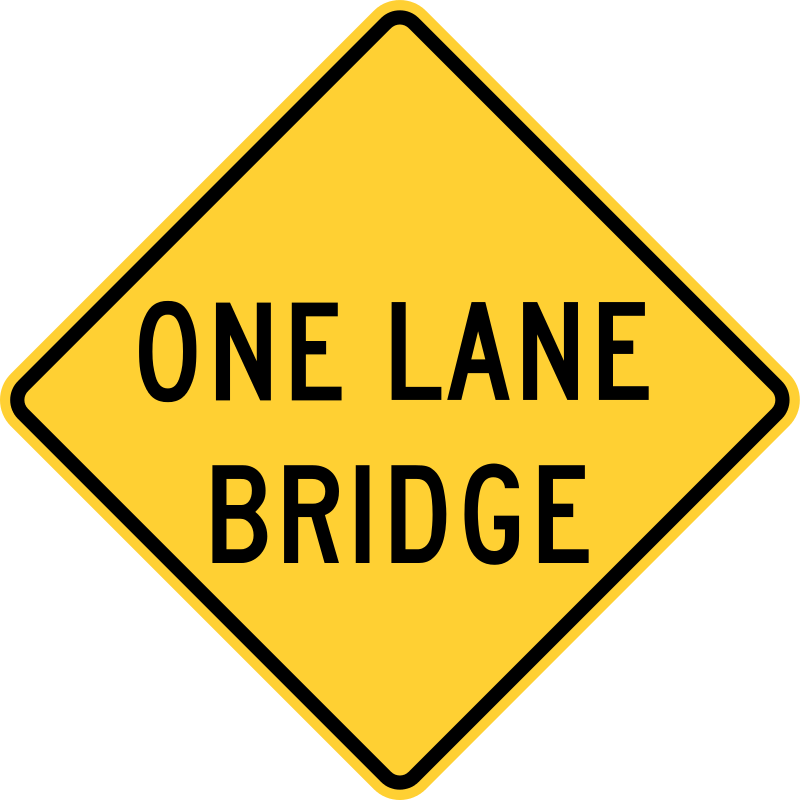
The bridge width allows only one vehicle to cross at a time. The vehicle reaching the bridge first has right-of-way; opposing traffic must wait.
What should drivers do when they see this sign?
A) Make sure the bridge is clear of oncoming traffic before they cross.
B) Look to the left and right for other traffic.
C) Allow others to merge smoothly.
3.
To pass a bicyclist traveling in the same direction on a two-lane road without bicycle lanes, you should:
A) continue driving straight, it is the bicyclist’s responsibility to get out of your way.
B) slow down and wait until there is no oncoming traffic, then pass the bicyclist leaving him or her sufficient space.
C) honk at the bicyclist to let him or her know you are about to pass.
D) not pass the bicyclist until you come to a traffic signal or stop sign.
4.
On a road with two or more lanes in the same direction, you approach an emergency vehicle that is stopped with its warning lights on. You must:
A) slow down. If possible, change lanes.
B) pass the emergency vehicle as quickly as possible.
C) drive to the right side of the road and stop.
D) maintain your current speed and stay in your lane.
5.
If two vehicles arrive at a four-way stop at the same time:
A) both vehicles must stop.
B) the vehicle on the left must yield to the vehicle on the right.
C) the driver on the left must signal the driver on the right to go.
D) the vehicle on the right must yield to the vehicle on the left.
6.
If your car starts to skid, turn your steering wheel:
A) in the direction you want to go.
B) in the opposite direction of the skid.
C) to keep the front wheels straight.
D) in any direction. It doesnt matter.
7.
Drivers can proceed through an intersection with a stop sign, but no stop line or crosswalk:
A) after slowing down to at least 15 MPH before proceeding.
B) after coming to a complete stop, when it is safe to proceed.
C) after stopping at least 50 feet prior to the intersection.
D) after slowing down to ensure there is no cross-traffic.
8.
Parking is permitted only during specified hours and days as posted on the sign. Vehicles parked outside these hours are subject to ticketing or towing.
This sign means:
A) You can only park between 8:30 AM and 5:30 PM.
B) Parking is not allowed at 8:30 AM and at 5:30 PM
C) No parking between 8:30 AM and 5:30 PM.
9.
A work zone:
A) is marked with black and white signs.
B) might involve vehicles and moving workers.
C) does not require that the driver slow down and pay extra attention.
D) All of the above.
10.
Interstate or State Route numbered highway marker used for route navigation and guide information.
These are:
A) route signs.
B) miles-left signs.
C) speed limit signs.
11.
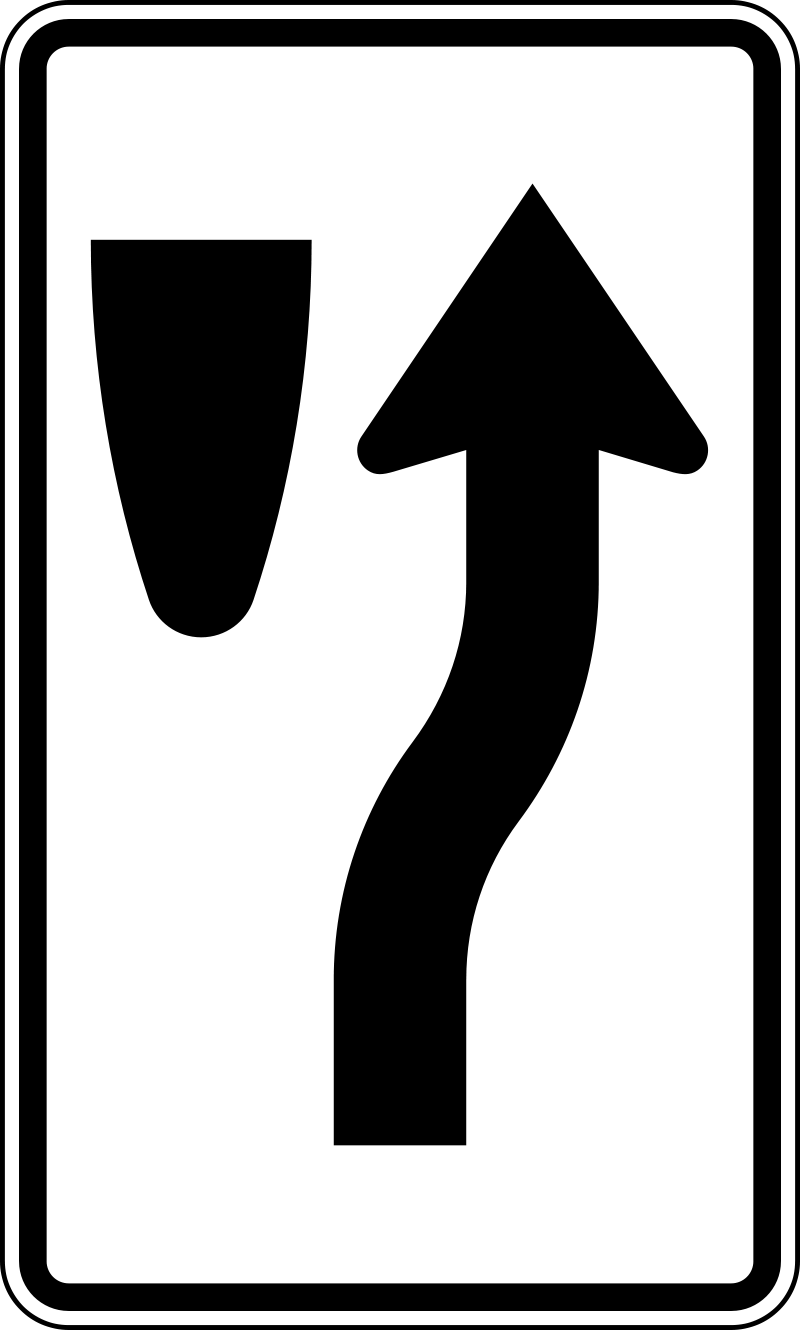
Drivers must pass to the right side of a traffic island, median barrier, or highway divider.
This sign tells drivers that:
A) there is a right turn ahead.
B) they must stay on the right side of the divider
C) a divided highway ends ahead.
12.
You should increase your following distance when:
A) exiting a freeway.
B) following a motorcycle.
C) driving behind a large vehicle that blocks your vision.
D) All of the above.
13.
Prohibits drivers from making a 180-degree turn to travel in the opposite direction at this intersection or stretch of road.
This road sign means:
A) No left turn
B) No U-turn
C) Detour ahead
14.
When driving in heavy traffic, you should:
A) drive with the flow of traffic.
B) maintain a constant speed.
C) drive faster than the flow of traffic.
D) drive slower than the flow of traffic.
15.
When driving at night with no other vehicles ahead, a driver should use:
A) high beam lights.
B) low-beam lights.
C) parking lights.
16.
Railroad crossings should always be considered:
A) safe when railroad crossing lights are active.
B) a place where stopping is required.
C) safe to cross.
D) dangerous.
17.
Drivers must yield to pedestrians:
A) Always.
B) when pedestrians are crossing within a marked or unmarked crosswalk.
C) by slowing down and making sure they are being seen by pedestrians.
D) under no circumstances.
18.
When the driver behind you wants to pass, you should:
A) change lanes.
B) speed up.
C) use your brake lights.
D) slow down to allow room for the other driver to complete the pass safely.
19.
If traffic on the other side of an intersection is backed up and you cannot get completely through, you must:
A) enter the intersection and try to avoid blocking it.
B) enter the intersection and proceed with caution.
C) wait until traffic ahead is clear.
20.
Slower-moving vehicles must stay in the right-hand lane to allow faster traffic to pass safely on multi-lane highways.
This regulatory road sign indicates that:
A) Vehicles must slow down and stay in the right lane.
B) The right hand lane is reserved for buses and car-pool vehicles.
C) Slower vehicles traveling on multiple lane highways must stay in the right hand lane.
21.
When they see a crossbuck sign, drivers:
A) must slow down and wait for the red lights to flash.
B) must always come to a complete stop.
C) are legally required to yield the right of way to trains.
22.
Because many crashes happen when a vehicle is turning left, drivers should:
A) slow down gradually while checking the rear view mirror.
B) move into the left lane of a multilane road.
C) yield to oncoming vehicles, bicyclists and pedestrians.
D) All of the above.
23.
The yield sign is ___ and white, with ___ letters.
A) yellow; black
B) red; red
C) red; white
24.
A steady yellow light means:
A) Be prepared to stop for the red light.
B) Drive with caution.
C) Be prepared to go. The light will soon be green.
25.
Before crossing any railroad tracks, you must:
A) look and listen for trains.
B) make sure there is room for your vehicle on the other side.
C) All of the above.
ANSWER KEY Check answers after completing the test.
1 D
2 A
3 B
4 A
5 B
6 A
7 B
8 C
9 B
10 A
11 B
12 D
13 B
14 A
15 A
16 D
17 B
18 D
19 C
20 C
21 C
22 D
23 B
24 A
25 C