←
Back to Test
Hide Answer Key
Print / Save as PDF
Print / PDF
drive
quiz
.com
NC DMV PERMİT PRACTİCE TEST 3
North Carolina
Duration: 34 min
|
Questions: 37
Student Name:
Date:
Correct:
Incorrect:
Score:
1.

This sign means:
A)
No traffic signal ahead
B)
Traffic signal ahead
C)
Open intersection ahead
2.
This regulatory road sign indicates that:
A)
Vehicles must slow down and stay in the right lane.
B)
The right hand lane is reserved for buses and car-pool vehicles.
C)
Slower vehicles traveling on multiple lane highways must stay in the right hand lane.
3.
This sign indicates:
A)
Warning: drunk drivers.
B)
Winding road. Drive with caution.
C)
The road may be slippery when wet. Drive slowly.
4.
This sign means:
A)
Railroad crossing
B)
No Passing Zone
C)
The road ends ahead
5.
This road sign warns drivers that:
A)
left turns are not allowed at the intersection.
B)
the road will make a sharp turn to the right.
C)
another road enters the highway from the direction shown.
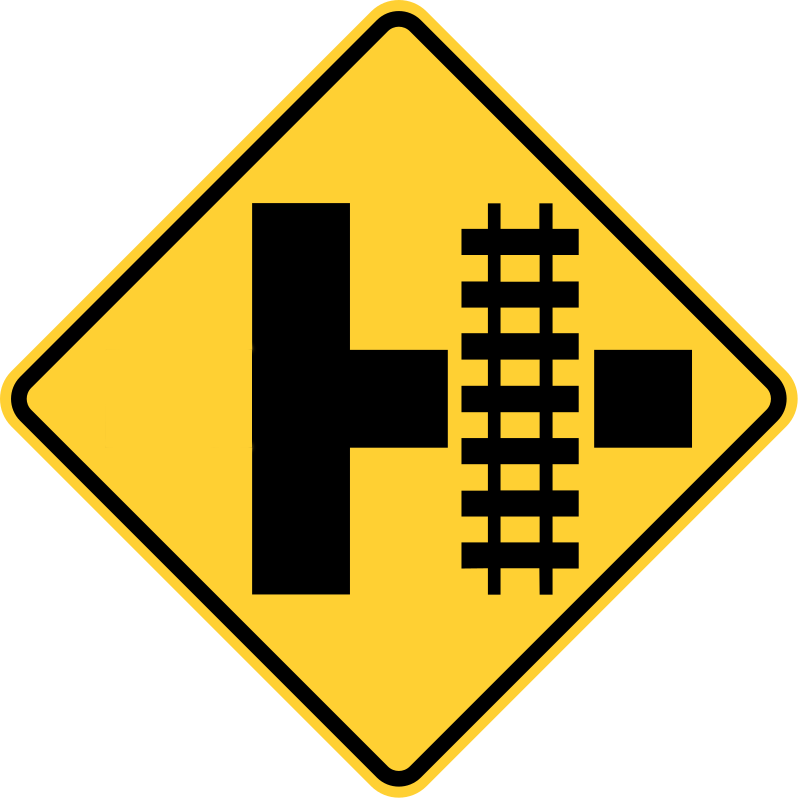
6.
What does this sign indicate?
A)
Parallel railroad crossing (side road)
B)
Low ground clearance railroad crossing
C)
Parallel railroad crossing (crossroad)
7.
This sign warns ____________ ahead.
A)
of two-way traffic
B)
of a reduction of lanes
C)
that a divided highway ends
8.
A flashing yellow light:
A)
warns drivers to proceed with caution.
B)
is used at dangerous intersections.
C)
All of the above.
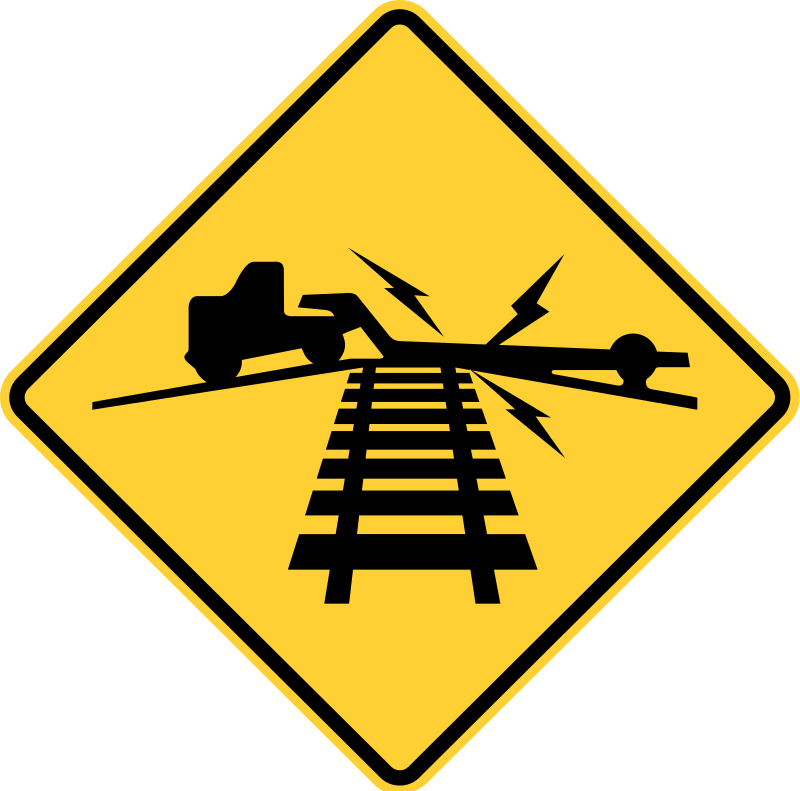
9.
This road sign means:
A)
Winding road ahead
B)
Pedestrian crossing
C)
Low ground railroad crossing
D)
No-passing zone
10.
This road sign means:
A)
School zone ahead
B)
Side road
C)
Construction zone ahead
D)
Sharp turn, slow down
11.
What should drivers do when they see this road sign?
A)
come to a complete stop and wait for a train to cross.
B)
slow down, look for a train, and be prepared to stop.
C)
look for a human flagger.
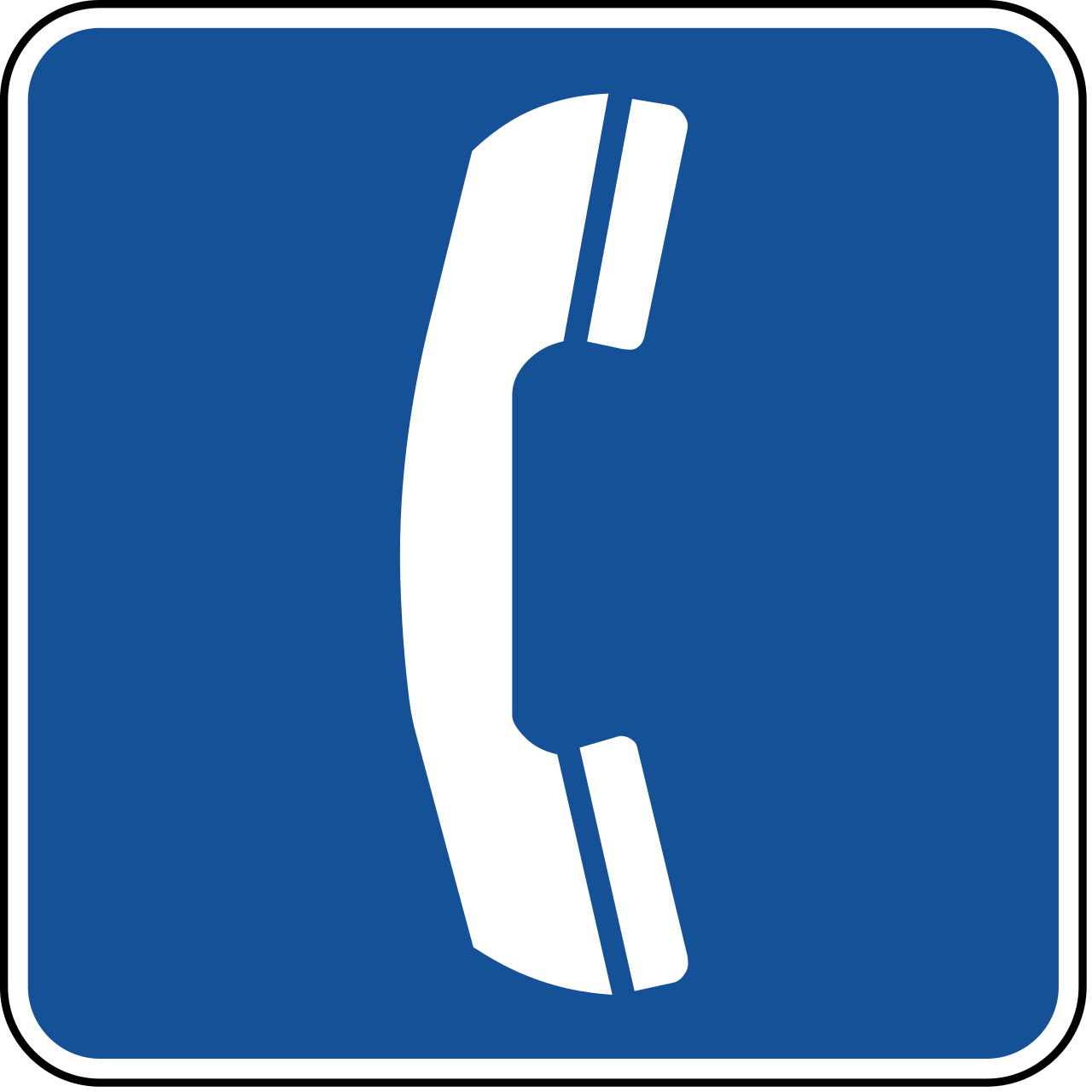
12.
This sign indicates:
A)
Phone service ahead
B)
Emergency line available
C)
Cell phone shop ahead
13.
You ________ traffic headed toward you when you turn left.
A)
must not yield to
B)
must interrupt
C)
must yield to
14.
Are bicyclists required to obey traffic laws and signs?
A)
No, bicyclists are considered pedestrians when it comes to the rules of the road.
B)
Yes.
C)
Yes, but only if they are riding in a bicycle lane.
15.
When driving on slick roads, drivers should:
A)
accelerate quickly.
B)
take turns more slowly.
C)
use alternate routes.
D)
drive as they would on dry roads.
16.
When you make a left turn from a two-way road into a four-lane highway, you must:
A)
enter the left lane, to the right of the center line.
B)
enter the right lane, to the left of the center line.
C)
go straight through the intersection, and then make the turn.
17.
A broken yellow line alongside a solid yellow line means:
A)
Passing is permitted on the side of the broken yellow line
B)
Passing is not permitted in either direction
C)
Passing on the right is permitted in either direction
18.
If your front wheels start to skid, the first thing you should do is:
A)
Take your foot off the gas pedal and shift to neutral.
B)
Immediately turn in the direction you want to go.
C)
Speed up, pump your brakes and steer in the direction the vehicle is trying to go.
19.
What should you do if your rear wheels start to skid?
A)
Steer left if your rear wheels slide right.
B)
If the vehicle has ABS, pump the pedal carefully.
C)
Turn the steering wheel in the direction the vehicle is trying to go.
20.
When parking on a public road, drivers should:
A)
move as far away from traffic as possible.
B)
always park on the left side of the roadway.
C)
All of the above.
21.
As you drive on the expressway, make sure:
A)
you cut off vehicles behind you when you change lanes.
B)
to signal all lane changes.
C)
your directional signal goes off before you change lanes.
22.
You license will be suspended if you are convicted of:
A)
failing to yield the right of way.
B)
speeding more than 75 MPH.
C)
driving without a license.
D)
passing a stopped school bus.
23.
If another vehicle is approaching you head-on in your lane, you should _______, sound your horn and brake.
A)
steer right
B)
None of the other answers is correct.
C)
steer left
D)
stay in the center of your lane
24.
________ is the only effective way to reduce your Blood Alcohol Content (BAC).
A)
Time
B)
Drinking coffee
C)
Taking a cold shower
D)
Eating food
25.
What can you do to prevent skids on snow and ice?
A)
Allow the wheels to keep turning.
B)
Brake early and gently.
C)
All of the above.
26.
Never make a U-turn from:
A)
the lane you’re in.
B)
the right lane.
C)
the left part of the lane nearest to the centerline of the roadway.
27.
If a vehicle using high beams comes toward you, look towards __________ of the road.
A)
either side
B)
the center
C)
the right side
D)
the left side
28.
_________________ your mirrors when you prepare to change lanes.
A)
Never depend on
B)
Never use
C)
Always rely on
29.
Drinking alcohol while taking drugs:
A)
reduces the effects of the alcohol.
B)
reduces the effects of the drug or medicine.
C)
has no effect, they are different substances.
D)
could multiply the effects of the alcohol.
30.
When driving in icy or snowy conditions, to avoid crashes drivers should:
A)
get off the highway as quickly as possible.
B)
reduce speed and increase following distance.
C)
add extra weight to the vehicle to improve traction.
D)
engage 4 wheel drive on the vehicle.
31.
Hydroplaning is a situation in which:
A)
your tires throw water to the rear, causing problems for the vehicles behind.
B)
the tires of the car ahead cause sheets of water to splash on your vehicle.
C)
one of your tires goes flat, causing the others to skid.
D)
your tires ride up on a thin surface of water, losing contact with the pavement, and resulting in sudden loss of control
32.
Where must a pedestrian walk when there are no sidewalks?
A)
On the side of the road, in the same direction of traffic.
B)
In the middle of the road, facing oncoming traffic.
C)
On the side of the road, facing the traffic.
33.
Vehicle stopping distance never depends on:
A)
the condition of your vehicle's brakes.
B)
your own reaction time.
C)
the time of day.
D)
the condition and type of vehicle tires.
34.
Drinking alcohol while taking drugs can:
A)
have a less pronounced effect than either taken separately.
B)
have a more pronounced effect than either taken separately.
C)
improves concentration.
D)
improve your driving performance.
35.
Drivers under 21 years of age are considered to be driving under the influence if their blood alcohol concentration (BAC) is:
A)
.10% or higher.
B)
.05% or higher.
C)
.08% or higher.
D)
.02% or higher.
36.
Alcohol:
A)
makes you less aware of what is happening to your driving abilities.
B)
makes it easier to make correct decisions.
C)
improves your reaction time.
37.
What is the only effective method to reduce your BAC?
A)
Eating before or while you drink.
B)
Not drinking over a period of time.
C)
Drinking coffee.
ANSWER KEY
Check answers after completing the test.
1
B
2
C
3
C
4
A
5
C
6
A
7
A
8
C
9
C
10
D
11
B
12
A
13
C
14
B
15
B
16
A
17
A
18
A
19
C
20
A
21
B
22
B
23
A
24
A
25
C
26
B
27
C
28
A
29
D
30
B
31
D
32
C
33
C
34
B
35
D
36
A
37
B