DriveQuiz drivequiz.com

NC DMV PERMİT PRACTİCE TEST 10

North Carolina
Duration: 34 min
|
Questions: 37
Student Name:
Date:
Correct:      Incorrect:      Score:      
1.
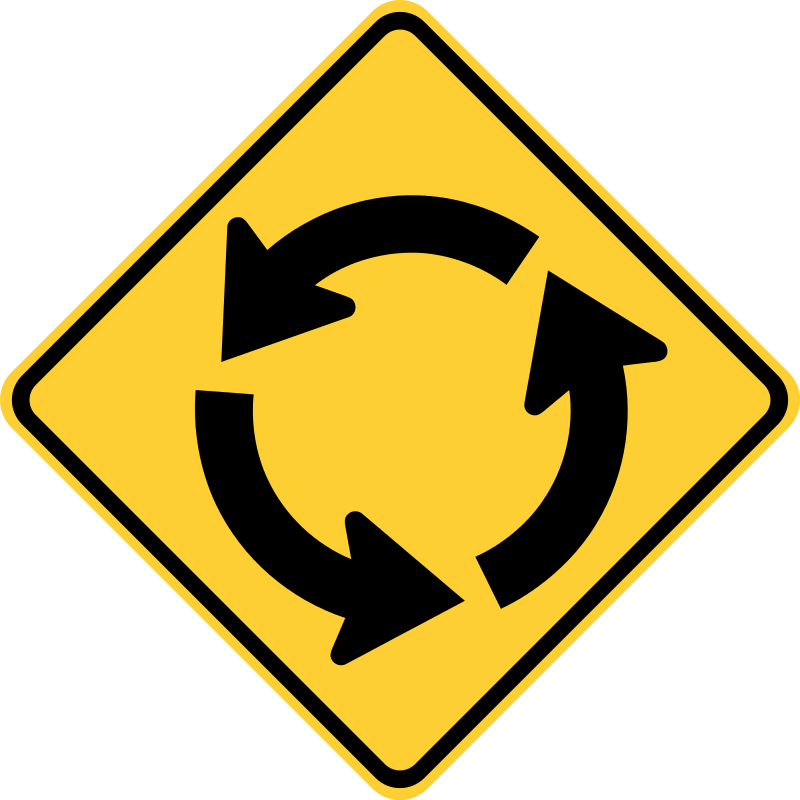
A circular intersection is ahead. Vehicles inside the roundabout have right-of-way; entering traffic must yield to traffic approaching from the left.
This road sign:
A) warns drivers of a sharp turn left. Drivers should slow their speed and keep to the left.
B) provides an advance notice of a roundabout.
C) warns drivers that U-turns are not permitted.
D) is a no-right-turns sign.
2.
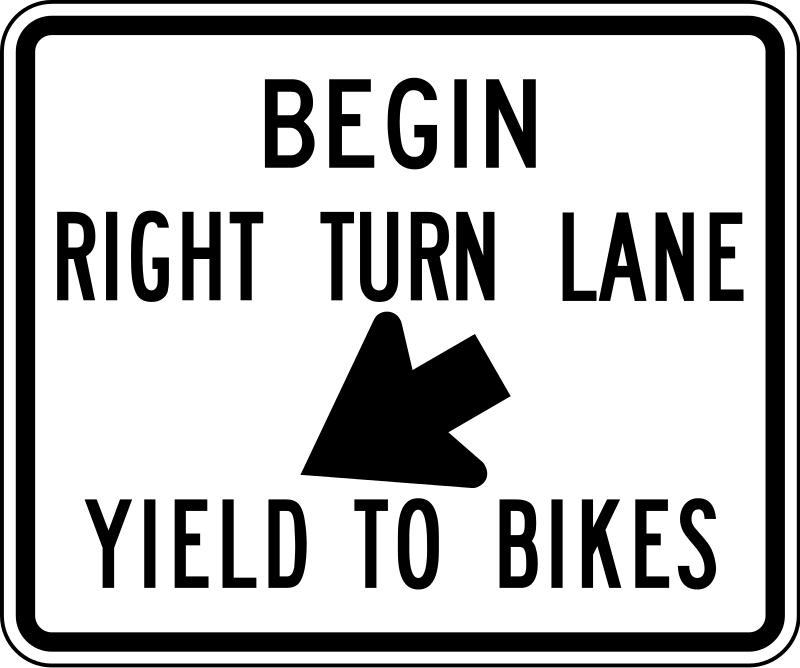
Drivers turning right must merge into the bike lane before turning, first checking mirrors and blind spots and yielding to all cyclists.
What does this road sign indicate?
A) Drivers have the right of way over bikes turning left.
B) Vehicles turning left must yield to bikes entering a right turn lane.
C) Motor vehicles entering an exclusive right-turn lane must weave across bicycle traffic in bicycle lanes.
3.
Posted on the far side of a sharp curve or T-intersection to indicate a sharp change in direction of travel.
This sign means:
A) Not enter
B) Detour to the right
C) The road to the right is for one-way traffic only
4.
The road makes a sharp 90-degree right turn ahead. Slow down considerably before entering the turn.
This sign warns drivers that:
A) the road will make a sharp turn to the right.
B) right turns are not allowed.
C) another road enters the highway from the direction shown.
5.
Warns drivers that two separate lanes moving in the same direction are merging into one. Drivers in the right lane must adjust speed and merge smoothly with existing traffic.
This road sign means:
A) Cars in right lane must slow down
B) Merging traffic ahead
C) Pass only in the right lane
D) No left turn
6.
Standard yellow warning sign outline used across the US for all caution, hazard, and roadway change notifications.
This sign is a:
A) regulatory sign.
B) warning sign.
C) guide sign.
7.
Slow down and give right-of-way to all oncoming vehicles, cyclists, and pedestrians. Stop completely if necessary before entering the intersection or merging.
This road sign means:
A) Slow down and be prepared to stop if necessary
B) You must come to a complete stop
C) You may proceed at regular speed through the intersection
D) Wrong Way
8.
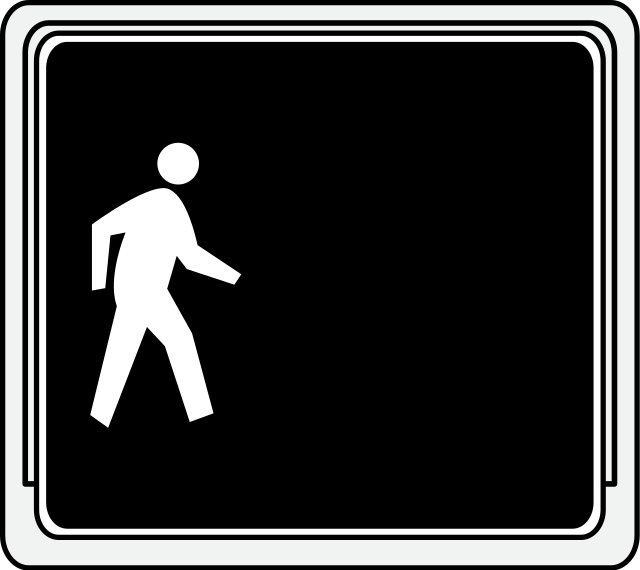
Illuminated white walking person indicates pedestrians have right-of-way to begin crossing the street in the designated crosswalk.
What does the pictured signal indicate?
A) A pedestrian may begin crossing the street.
B) Pedestrians may turn right.
C) A pedestrian may not not begin crossing the street.
9.
Indicates an upcoming bicycle crossing or shared road zone. Always leave at least 3 feet of clearance when passing cyclists.
This road sign means:
A) Watch for bicycles
B) Bicycle parking ahead
C) Bicycles are not allowed in this area
10.
Indicates a series of three or more consecutive sharp turns or curves ahead. Reduce speed and maintain lane control.
This sign means:
A) narrow road ahead.
B) no turns are allowed on this road.
C) series of curves ahead.
D) the road may be slippery when wet.
11.
The roadway becomes particularly slippery during wet or rainy conditions. Reduce your speed, increase following distance, and avoid abrupt braking or steering.
This road sign means:
A) Slow down, slippery when wet
B) Detour ahead
C) Road curves ahead
12.
Warns of two consecutive curves in opposite directions (e.g., curves right then left). Slow down to maintain control.
This road sign means:
A) A road joins from the left
B) The road ahead turns sharply right then sharply left
C) Sharp right turn
D) Winding road ahead
13.
When you reach an intersection with a stop sign, you should:
A) follow the vehicle ahead of you.
B) stop, look right, then left, then right again.
C) stop, look left, then right, then left again.
D) check your rearview mirror, look left, then right, then proceed.
14.
Before a school bus stops to load passengers, the driver will usually flash:
A) yellow warning lights.
B) red warning lights.
C) red lights.
15.
An emergency vehicle that uses lights and a siren can be unpredictable. Why?
A) The driver can legally pass red lights.
B) Emergency vehicles must go faster than the posted speed limit when it is safe to do so.
C) Emergency vehicle drivers are not required to be careful.
16.
When driving on major highways you should:
A) be ready to react to road hazards.
B) stay alert.
C) keep your eyes moving.
D) All of the above.
17.
A flashing yellow light means:
A) Merging traffic ahead
B) Pedestrian crossing
C) Come to a full stop
D) Proceed with caution
18.
Your brake lights tell other drivers that you:
A) are changing lanes.
B) are slowing down or stopping.
C) are making a turn.
D) have your emergency brake on.
19.
If you drink alcohol socially, what helps insure safe driving?
A) Stop drinking one hour before driving.
B) Drink coffee before driving.
C) Take a cold shower before driving.
D) Ride home with a friend who has not been drinking.
20.
BAC is expressed in:
A) percentage of alcohol to blood.
B) percentage of blood to alcohol.
C) ounces of alcohol in your blood.
21.
If you are pulled over by law enforcement, you should:
A) stay in the driver’s seat with both hands clearly in sight on the steering wheel.
B) unbuckle your seat belt and lower your window.
C) get out of your vehicle and walk toward the patrol car.
D) turn off on your interior light if stopped at night.
22.
If cars approaching from opposite directions reach an intersection at the same time:
A) a car that moves straight must yield to cars that turn left.
B) a car that turns left must yield to cars that move straight or turn right.
C) a car that turns right must yield to cars that move straight or turn left.
23.
When meeting a car with blinding headlights, you should:
A) look toward the right side of the road.
B) dim your lights, then speed up and pass quickly.
C) use your emergency flashers to warn the other driver.
D) look toward the left side of the road.
24.
At intersections where two or more drivers stop at STOP signs at the same time and they are at right angles:
A) the driver on the left must yield to the driver on the right.
B) the driver who is late for work has the right-of-way.
C) the driver on the right must yield to the driver on the left.
25.
Conviction for _____________ carries the highest number of points.
A) driving without a license
B) passing a stopped school bus that is unloading children
C) hit and run with property damage
D) aggressive driving
26.
You may not pass another vehicle on either side of a _______ centerline.
A) solid or broken yellow
B) single broken white
C) double solid yellow
D) single broken yellow
27.
A driver should be extra alert for motorcyclists, bicycles and pedestrians. Why?
A) They obey specific traffic laws.
B) They always have the right-of-way.
C) They are hard to see in traffic.
D) They don’t have rearview mirrors.
28.
You go with a group of friends to a social event, and you plan to have a few drinks. You should:
A) make alcohol the focus of the event.
B) avoid alternating between drinks with alcohol and drinks without any alcohol.
C) arrange to ride home with a friend who does not drink.
29.
Are drivers allowed to exceed the speed limit to pass other vehicles?
A) Yes, but only by 10 MPH or less.
B) No.
C) Yes, but only if they drive with caution.
30.
To avoid having to make an emergency stop while driving in traffic, drivers should:
A) drive in the right lane only.
B) look ahead and maintain a safe following distance.
C) sound their horn to warn other drivers.
D) drive slower than the flow of traffic.
31.
You reach an intersection that is not controlled at the same time as a driver on your right, and both of you prepare to go straight. Who has the right-of-way?
A) You.
B) No one.
C) The other driver.
32.
What should you do if your brakes fail?
A) Hook your shoe under the pedal and see if you can free it.
B) Turn on your cruise control.
C) Try pumping the brake pedal to increase pressure.
33.
To reduce their chances of colliding with an animal, drivers should:
A) scan the sides of the road to watch for the reflection of vehicle headlights in the eyes of animals.
B) look well down the road and far off to each side.
C) All of the above.
34.
A thumping sound can be a warning:
A) that a tire blowout is about to occur.
B) of a steering failure.
C) of a brake failure.
35.
You can reduce the chance of a collision with a large vehicle if you:
A) delay near it.
B) cut abruptly in front of it.
C) pay close attention to the turn signals.
36.
When you make a left turn from a one-way road into a one-way road, if the road you enter has two lanes, you:
A) must turn into its right lane.
B) can not turn left.
C) must turn into its left lane.
37.
Drivers can not pass a vehicle on the left if:
A) they approach the top of a hill on a two-way road and can not see over it.
B) they can not safely return to the right lane before they reach a solid yellow center line for the right lane.
C) All of the above.
ANSWER KEY Check answers after completing the test.
1 B
2 C
3 B
4 A
5 B
6 B
7 A
8 A
9 A
10 C
11 A
12 B
13 C
14 A
15 A
16 D
17 D
18 B
19 D
20 A
21 A
22 B
23 A
24 A
25 B
26 C
27 C
28 C
29 B
30 B
31 C
32 C
33 C
34 A
35 C
36 C
37 C