DriveQuiz drivequiz.com

MT DMV PERMİT PRACTİCE TEST 10

Montana
Duration: 30 min
|
Questions: 33
Student Name:
Date:
Correct:      Incorrect:      Score:      
1.
To keep your vehicle from rolling into traffic when parked on a hill, if you are facing uphill you should:
A) turn the front wheels away from the curb or edge of the road.
B) turn the back wheels towards the curb or edge of the road.
C) set the parking brake and keep the front wheels straight.
D) turn the front wheels towards the curb or edge of the road.
2.
Doing all you can to prevent crashes is called:
A) Anti-Collision Driving
B) Crash-Prevention Driving
C) Defensive Driving
D) ABS Driving
3.
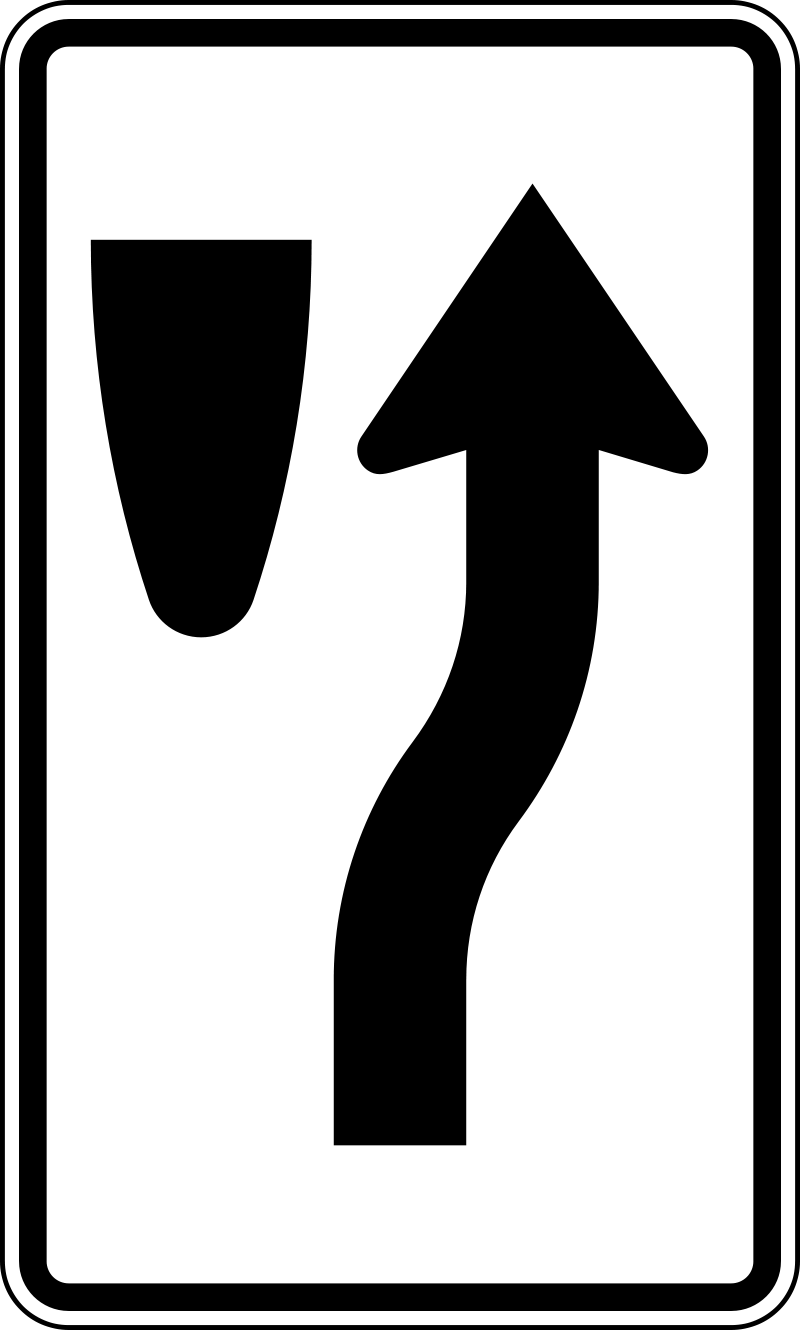
Drivers must pass to the right side of a traffic island, median barrier, or highway divider.
This sign tells drivers that:
A) there is a right turn ahead.
B) they must stay on the right side of the divider
C) a divided highway ends ahead.
4.
Before turning left, it is important to:
A) swing to the right side of your lane.
B) sound your horn to warn the other drivers.
C) yield to oncoming vehicles.
D) flash your headlights to alert the other drivers.
5.
If you get on a wrong expressway exit, you must:
A) get off at the next exit and look for signs that tell you how to return to the expressway.
B) use the the exit ramp to accelerate to expressway speed and blend with traffic.
C) drive in reverse to return to the expressway.
6.
Gauging the speed of a motorcycle may be difficult because:
A) motorcycles take up less of your field of vision.
B) motorcycles often slow down by downshifting.
C) many motorcyclists do not activate the brake light.
7.
If your brakes are wet, you can dry them by:
A) riding the pedal lightly.
B) pull over to the right and wait until it stops raining.
C) having them checked by a mechanic.
8.
Traffic lights are normally ____________ from the top to bottom or left to right.
A) red, green and yellow
B) green, yellow and red
C) red, yellow and green
9.
Prohibits drivers from making a 180-degree turn to travel in the opposite direction at this intersection or stretch of road.
This road sign means:
A) No left turn
B) No U-turn
C) Detour ahead
10.
Indicates that traffic is permitted to pass on either the left or the right side of an island, median, or obstruction.
This sign tells drivers that:
A) left and right turns are not allowed.
B) a divided highway is ahead.
C) they cannot go straight ahead.
11.
When driving in fog, drivers should use:
A) low beam headlights.
B) parking lights.
C) high beam headlights.
12.
A red traffic sign means?
A) Do not enter.
B) Stop.
C) All of the above.
13.
When driving through a curve, you should:
A) speed up as you enter, slow down as you exit.
B) stay near the right of your lane.
C) maintain constant speed.
D) slow as you enter, speed up as you exit.
14.
Drivers can not pass a vehicle on the left if:
A) they approach the top of a hill on a two-way road and can not see over it.
B) they can not safely return to the right lane before they reach a solid yellow center line for the right lane.
C) All of the above.
15.
This lane is exclusively designated for making U-turns. Through traffic and right turns are not allowed from this lane.
This sign means:
A) You may make a U-turn.
B) Hairpin corner ahead.
C) You must make a U-turn.
16.
When driving in travel lanes on the roadway:
A) you may make a U-turn if you get on the wrong entrance ramp of the freeway.
B) you may stop to let out passengers.
C) do not stop for any reason, keep moving until you can safely pull off the road.
D) you may make back up quickly if there are no vehicles behind.
17.
Warns drivers that two separate lanes moving in the same direction are merging into one. Drivers in the right lane must adjust speed and merge smoothly with existing traffic.
This road sign means:
A) Lane shifting
B) Traffic is entering from another road, drive with caution
C) Stop for other traffic
D) Yield right-of-way
18.
Prohibits drivers from making a 180-degree turn to travel in the opposite direction at this intersection or stretch of road.
The picture shows a _________ sign.
A) no U-turn
B) no left turn
C) sharp turn
19.
What can you do to prevent skids on snow and ice?
A) Allow the wheels to keep turning.
B) Brake early and gently.
C) All of the above.
20.
______________ is an unsafe distraction when driving.
A) Leaving early to drive to an appointment.
B) Texting a message on your cell phone.
C) Controlling an emotion before putting the vehicle in gear.
D) Asking a passenger to enter your mapping request into your GPS.
21.
Hydroplaning is a situation in which:
A) your tires throw water to the rear, causing problems for the vehicles behind.
B) the tires of the car ahead cause sheets of water to splash on your vehicle.
C) one of your tires goes flat, causing the others to skid.
D) your tires ride up on a thin surface of water, losing contact with the pavement, and resulting in sudden loss of control
22.
A side road enters the highway from the right or left. Watch for traffic turning onto or crossing your lane.
This road sign means:
A) All traffic must turn right
B) Two one-way roads merge ahead
C) A side road enters ahead
D) No right turn
23.
The bridge ahead has narrower lanes or shoulders than the preceding road. Use caution when meeting oncoming vehicles.
This sign warns drivers of:
A) low clearance.
B) a narrow bridge ahead.
C) a low place in the road.
24.
When approaching a highway-rail intersection, the first sign drivers see is usually:
A) an RXR round sign on a yellow background.
B) a stop sign.
C) a yield sign.
25.
To help relieve fatigue on a trip:
A) drink coffee frequently.
B) change feet on the gas pedal.
C) stretch your legs while driving.
D) stop for a rest every two hours.
26.
If you hear a thumping sound while driving, you should:
A) hook your shoe under the gas pedal and see if you can free it.
B) get off the road and check your tires.
C) try your emergency lights.
27.
Drivers are required to stop:
A) when a traffic officer orders them to stop.
B) where there is a red light.
C) at an intersection with a stop sign.
D) All of the above.
28.
A green arrow used to control turns from a specific traffic lane:
A) means the same as a circular green light, but you must go only in the direction indicated by the arrow.
B) is used only on one-way streets.
C) provide directional and mileage information to specific destinations.
D) means that you may go only if the green arrow is accompanied by a green light.
29.
A driver should be extra alert for motorcyclists, bicycles and pedestrians. Why?
A) They obey specific traffic laws.
B) They always have the right-of-way.
C) They are hard to see in traffic.
D) They don’t have rearview mirrors.
30.
The roadway becomes particularly slippery during wet or rainy conditions. Reduce your speed, increase following distance, and avoid abrupt braking or steering.
This road sign means:
A) Winding road ahead
B) Warning, slippery when wet
C) Railroad Warning
D) Stop Sign Ahead
31.
If a driver follows you too closely, you should:
A) move to another lane if possible.
B) activate your stop lights.
C) brake suddenly.
32.
Drinking alcohol and then driving is dangerous because it affects your:
A) reflexes.
B) judgment and skills.
C) vision.
D) coordination.
33.
Object marker used to mark obstacles or bridge abutments near the edge of the road to alert drivers at night.
When they see a yellow X signal, drivers should:
A) come to a complete stop at the marked stop line.
B) turn off the ignition.
C) prepare to leave the lane safely.
ANSWER KEY Check answers after completing the test.
1 A
2 C
3 B
4 C
5 A
6 A
7 A
8 C
9 B
10 C
11 A
12 C
13 D
14 C
15 C
16 C
17 B
18 A
19 C
20 B
21 D
22 C
23 B
24 A
25 D
26 B
27 D
28 A
29 C
30 B
31 A
32 B
33 C