DriveQuiz drivequiz.com

MO DMV PERMİT PRACTİCE TEST 5

Missouri
Duration: 23 min
|
Questions: 25
Student Name:
Date:
Correct:      Incorrect:      Score:      
1.
Treat the flashing red signal exactly like a STOP sign: come to a complete stop, yield to cross traffic and pedestrians, then proceed when safe.
A flashing red light:
A) is used at dangerous intersections.
B) means the same thing as a stop sign.
C) All of the above.
2.
When you prepare to make a left turn from a one-way road into a one-way road, you must:
A) move into the right lane, or to the left side of a single lane.
B) move into the right lane, or to the right side of a single lane.
C) move into the left lane, or to the left side of a single lane.
3.
To pass a bicyclist traveling in the same direction on a two-lane road without bicycle lanes, you should:
A) continue driving straight, it is the bicyclist’s responsibility to get out of your way.
B) slow down and wait until there is no oncoming traffic, then pass the bicyclist leaving him or her sufficient space.
C) honk at the bicyclist to let him or her know you are about to pass.
D) not pass the bicyclist until you come to a traffic signal or stop sign.
4.
When you need to enter a freeway exit ramp:
A) don't slow down on the freeway itself. Wait until you are in the deceleration lane.
B) pass slower vehicles on the right.
C) slow down before entering the exit ramp.
D) don't slow down on the freeway itself, and maintain your speed once in the exit ramp.
5.
The roadway ahead is narrowing or a lane is ending. Merge smoothly into the continuing lane.
This sign warns that:
A) traffic must merge left.
B) the bridge ahead is wide enough for only one vehicle at a time.
C) traffic must merge right.
6.
When you make a left turn from a one-way road into a two-way road, you must:
A) enter the two-way road to the left of its center line.
B) make a U-turn into the two-way road.
C) enter the two-way road to the right of its center line.
7.
Alerts drivers to an upcoming crosswalk where pedestrians frequently cross. Slow down and yield right-of-way to anyone in or about to enter the roadway.
What should drivers do when they see this road sign?
A) come to a complete stop and wait for a train to cross.
B) slow down, look for a train, and be prepared to stop.
C) look for a human flagger.
8.
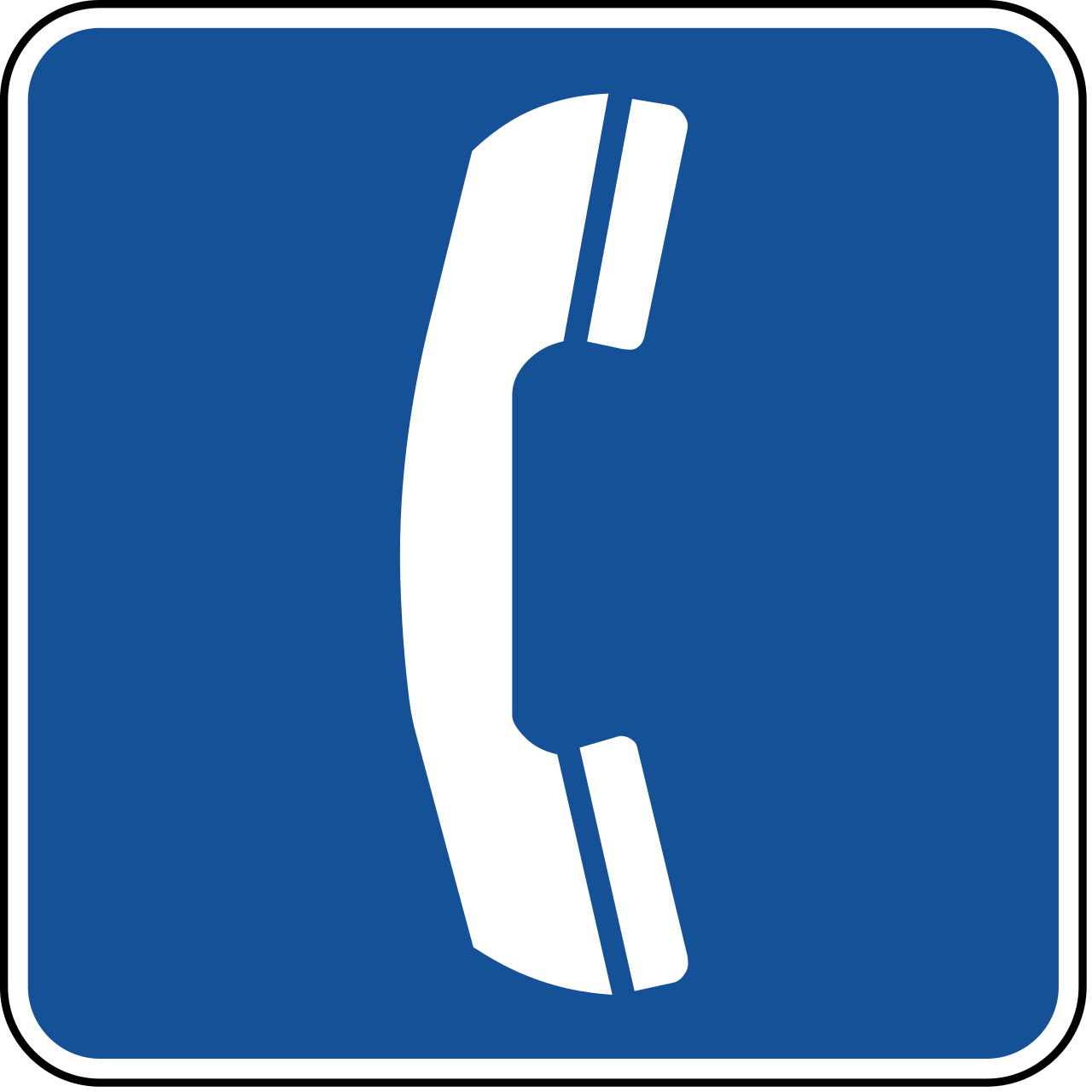
Blue motorist service sign indicating the availability of a public emergency telephone along the highway.
This sign indicates:
A) Phone service ahead
B) Emergency line available
C) Cell phone shop ahead
9.
Parking is permitted only during specified hours and days as posted on the sign. Vehicles parked outside these hours are subject to ticketing or towing.
It's 10 AM. This sign tells you that:
A) you are allowed to park until 5:30 PM.
B) you must display a special permit in order to park here.
C) you are not allowed to park here.
10.
If you miss your exit from an interstate expressway, you should:
A) go to the next exit and come back to the exit you missed.
B) use the right turn signal, check your mirrors and move to the right.
C) pull over to the right and back up with caution until you reach the exit ramp.
D) make a quick U-turn from your lane of travel.
11.
When parking on a public road, drivers should:
A) move as far away from traffic as possible.
B) always park on the left side of the roadway.
C) All of the above.
12.
What is the purpose of minimum speed limits?
A) To keep a smooth traffic flow.
B) To halt the traffic flow.
C) To allow emergency vehicles with red flashing lights to safely pass other vehicles.
13.
Which of the following drugs could affect your ability to drive?
A) A cold remedy.
B) Marijuana.
C) All of the above.
14.
If you are blinded by headlights on an approaching vehicle, you should:
A) avoid looking directly at the bright lights.
B) glance toward the side of the road, then look quickly ahead to determine the other vehicle’s position.
C) All of the above.
15.
Green and white signs:
A) give information about directions and distances.
B) are mainly used at intersections and driveways.
C) warn drivers of unexpected road conditions.
16.
If you are at fault in a traffic crash and do not pay for the damages:
A) you must obtain a crash prevention certificate from the DMV before you can drive again.
B) your driver license or plates or both will be suspended for one year.
C) you will be sentenced to 3 years in jail.
D) your car will be repossessed.
17.
Blind spots around a large vehicle are _________________ than the blind spots around a car.
A) larger and deeper
B) less dangerous
C) narrower and shorter
18.
You must come to a full stop at a yield sign:
A) Always.
B) Never.
C) If traffic conditions require it.
19.
Standard yellow warning sign outline used across the US for all caution, hazard, and roadway change notifications.
This sign is a:
A) regulatory sign.
B) warning sign.
C) guide sign.
20.
Highway hypnosis is a driving condition that can result from:
A) heavy traffic.
B) staring at the roadway for long periods of time.
C) travelling on HOV lanes.
D) frequent rest stops.
21.
What should you do if your rear wheels start to skid?
A) Steer left if your rear wheels slide right.
B) If the vehicle has ABS, pump the pedal carefully.
C) Turn the steering wheel in the direction the vehicle is trying to go.
22.
What should you do if your headlights suddenly go out?
A) Brake immediately and activate your emergency lights.
B) Use your emergency lights, parking lights or directional signals.
C) Ease your foot off the gas pedal and brake gently.
23.
You can pass on the right:
A) when a vehicle ahead makes a right turn.
B) when a vehicle ahead makes a left turn.
C) when a vehicle that is approaching from the opposite direction is prepared to turn left.
24.
For protection, motorcyclists are required to:
A) keep their headlights and taillights on at all times.
B) signal turns, lane changes and stops.
C) wear approved helmets.
25.
A signalized intersection is ahead. Prepare to stop if the light turns yellow or red.
This sign means:
A) You must yield the right-of-way ahead
B) Traffic signals ahead
C) You must stop ahead
D) Speeding is not allowed
ANSWER KEY Check answers after completing the test.
1 C
2 C
3 B
4 A
5 A
6 C
7 B
8 A
9 C
10 A
11 A
12 A
13 C
14 C
15 A
16 B
17 A
18 C
19 B
20 B
21 C
22 B
23 B
24 C
25 B