DriveQuiz drivequiz.com

MN DMV PERMİT PRACTİCE TEST 12

Minnesota
Duration: 36 min
|
Questions: 40
Student Name:
Date:
Correct:      Incorrect:      Score:      
1.
Warns of an extremely sharp 180-degree curve ahead. Decelerate significantly before entering the turn.
This sign means:
A) Hairpin corner ahead.
B) Warning: U-turn ahead.
C) Sharp right turn ahead.
2.
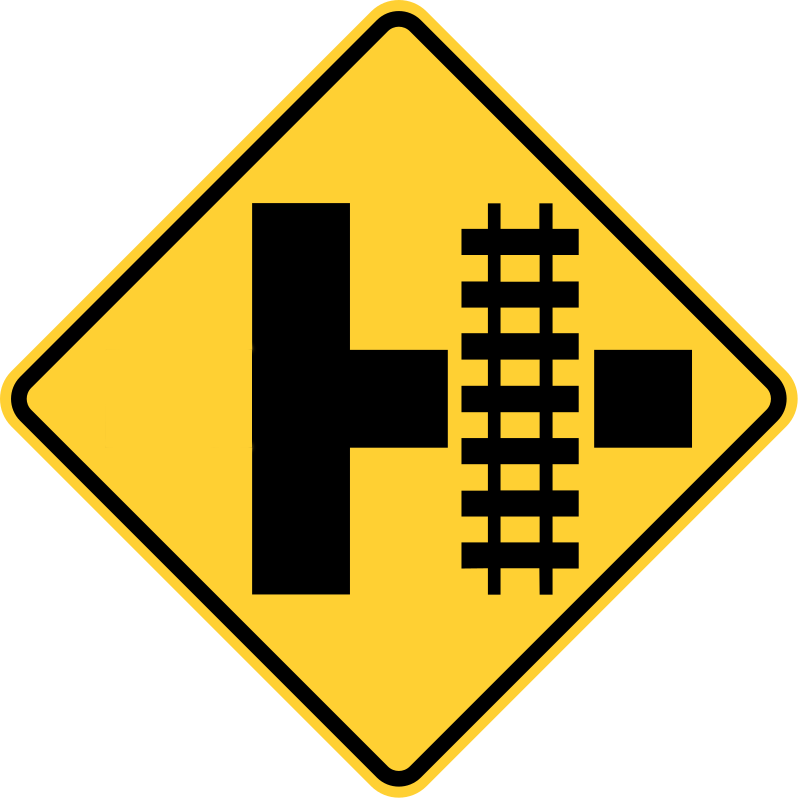
Four-way intersection ahead. Be prepared to yield right-of-way according to traffic control devices.
What does this sign indicate?
A) Parallel railroad crossing (side road)
B) Low ground clearance railroad crossing
C) Parallel railroad crossing (crossroad)
3.
Drivers should treat a railroad crossbuck sign the same as a yield sign.
A) False
B) True
4.
You are approaching an intersection with a yellow flashing light. You should:
A) stop and wait for the light to change.
B) speed up to beat the red light.
C) prepare to stop; the light is about to turn red.
D) proceed with caution through the intersection.
5.
Drivers can not pass a vehicle on the left if:
A) they approach the top of a hill on a two-way road and can not see over it.
B) they can not safely return to the right lane before they reach a solid yellow center line for the right lane.
C) All of the above.
6.
The road makes a sharp 90-degree right turn ahead. Slow down considerably before entering the turn.
This road sign means:
A) School zone ahead
B) Side road
C) Construction zone ahead
D) Sharp turn, slow down
7.
A yellow arrow means:
A) Do not go in the direction of the arrow.
B) If you intend to turn in the direction of the arrow, be prepared to stop.
C) The same as a steady yellow light.
8.
You go with a group of friends to a social event, and you plan to have a few drinks. You should:
A) make alcohol the focus of the event.
B) avoid alternating between drinks with alcohol and drinks without any alcohol.
C) arrange to ride home with a friend who does not drink.
9.
If you stop along the road at night:
A) turn on your emergency flashers and leave your low beams on.
B) turn off your emergency lights and leave your high beams on.
C) turn on your headlights only.
D) turn off all your lights.
10.
ABS is the acronym for:
A) Anti-Braking System
B) Average-Beam System
C) Anti-Locking Brake System
11.
From top to bottom, traffic lights are:
A) green, red and yellow.
B) green, yellow and red.
C) red, yellow and green.
12.
Diamond-shaped signs:
A) are used to warn of hazards on roadways.
B) indicate no pass zones.
C) typically provide guidance to drivers.
13.
Which of the following must you obey over the others?
A) A flashing red light.
B) A stop sign.
C) A steady red light.
D) A police officer.
14.
If a driver follows you too closely, you should:
A) move to another lane if possible.
B) activate your stop lights.
C) brake suddenly.
15.
At a light rail intersection, you should always:
A) share the road with pedestrians and bicyclists.
B) look both ways before crossing the tracks.
C) be alert and obey all traffic signals.
D) All of the above.
16.
What is the meaning of orange traffic signs?
A) Yield.
B) Warning of school, pedestrian, and bicycling activity.
C) Construction and maintenance warning.
17.
Designated school crosswalk location. You must yield to all schoolchildren and pedestrians in the crossing.
When you approach this sign, you must:
A) stop if necessary.
B) watch for workers crossing the road.
C) None of the above.
18.
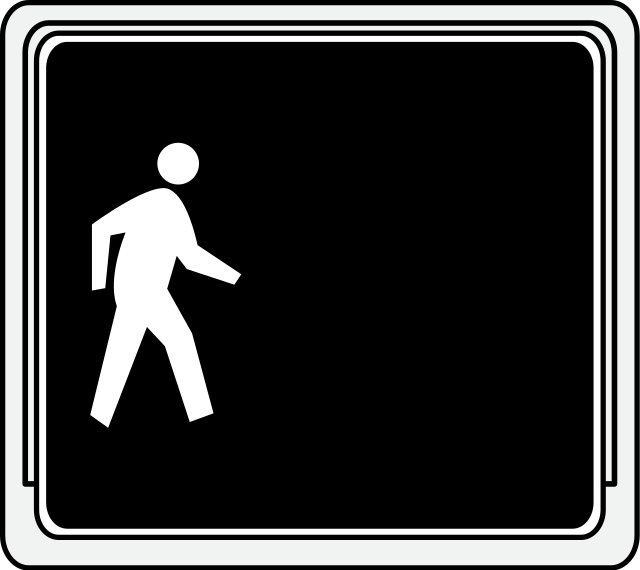
Illuminated white walking person indicates pedestrians have right-of-way to begin crossing the street in the designated crosswalk.
What does the pictured signal indicate?
A) A pedestrian may begin crossing the street.
B) Pedestrians may turn right.
C) A pedestrian may not not begin crossing the street.
19.
Warns of two consecutive curves in opposite directions (e.g., curves right then left). Slow down to maintain control.
This sign indicates that the road ahead:
A) turns sharply right, then left.
B) is a divided highway.
C) curves right, then left.
D) curves right.
20.
If traffic on the other side of an intersection is backed up and you cannot get completely through, you must:
A) enter the intersection and try to avoid blocking it.
B) enter the intersection and proceed with caution.
C) wait until traffic ahead is clear.
21.
Prohibits drivers from making a 180-degree turn to travel in the opposite direction at this intersection or stretch of road.
This road sign means:
A) No left turn
B) No U-turn
C) Detour ahead
22.
An emergency vehicle that uses lights and a siren can be unpredictable. Why?
A) The driver can legally pass red lights.
B) Emergency vehicles must go faster than the posted speed limit when it is safe to do so.
C) Emergency vehicle drivers are not required to be careful.
23.
To avoid becoming an aggressive driver, you should:
A) Adjust your schedule to drive during times with the most highway traffic.
B) Allow enough travel time to reach your destination on schedule.
C) Listen to heavy metal music.
24.
Vehicle stopping distance never depends on:
A) the condition of your vehicle's brakes.
B) your own reaction time.
C) the time of day.
D) the condition and type of vehicle tires.
25.
On slippery roads, drivers should:
A) slow down.
B) increase their speed to avoid hydroplaning.
C) not drive faster than 25 MPH.
D) go faster.
26.
The roadway ahead is narrowing or a lane is ending. Merge smoothly into the continuing lane.
This road sign means:
A) No right turn
B) Divided highway ends
C) Lane ends
D) Two way Traffic
27.
You face a green light, but traffic on the other side of the intersection does not allow you to travel all the way through the intersection. What must you do?
A) Enter the intersection and wait until traffic ahead clears.
B) Wait for the next green light.
C) Wait until traffic ahead clears, so you do not block the intersection.
28.
If a vehicle using high beams comes toward you, look towards __________ of the road.
A) either side
B) the center
C) the right side
D) the left side
29.
When driving on slippery roads, drivers should:
A) increase their following distance.
B) avoid crossing bridges or intersections.
C) brake harder than usual.
D) change lanes quickly.
30.
While inside the roundabout, you should:
A) remain in your lane until you are ready to exit.
B) change lanes before you check for vehicles behind you.
C) use your left turn signal if you are in position to exit now.
31.
A flashing yellow traffic signal means:
A) Slow down and be alert at the upcoming intersection.
B) The same thing as a stop sign.
C) Stop and proceed when a green light appears.
D) No right turn.
32.
When they see a crossbuck sign, drivers:
A) must slow down and wait for the red lights to flash.
B) must always come to a complete stop.
C) are legally required to yield the right of way to trains.
33.
Before passing another vehicle, you should signal:
A) early enough so other drivers know your intention.
B) after changing lanes.
C) at any time.
D) just before changing lanes.
34.
A side road enters the highway from the right or left. Watch for traffic turning onto or crossing your lane.
This road sign means:
A) Merge
B) Side Road
C) Merging Traffic
D) All traffic must go straight ahead
35.
Blind spots are:
A) Dangerous intersection where the maximum speed limit is 15 MPH or less.
B) At night, the darkest areas of a road, where emergency flashers should be used.
C) Areas to the side or rear of a vehicle that the driver cannot see with use of mirrors.
36.
When driving in travel lanes on the roadway:
A) you may make a U-turn if you get on the wrong entrance ramp of the freeway.
B) you may stop to let out passengers.
C) do not stop for any reason, keep moving until you can safely pull off the road.
D) you may make back up quickly if there are no vehicles behind.
37.
If the entrance lane is too short to allow acceleration to expressway speed, you should:
A) stop and wait for a large space in traffic.
B) enter the expressway and accelerate quickly.
C) reduce your speed to 15 MPH or less and blend with traffic.
38.
What is the first thing you should do if your wheels move off the pavement?
A) Pull the steering wheel back.
B) Pull over to the right and sound your horn to warn the other drivers.
C) Ease your foot off the gas pedal and brake gently.
39.
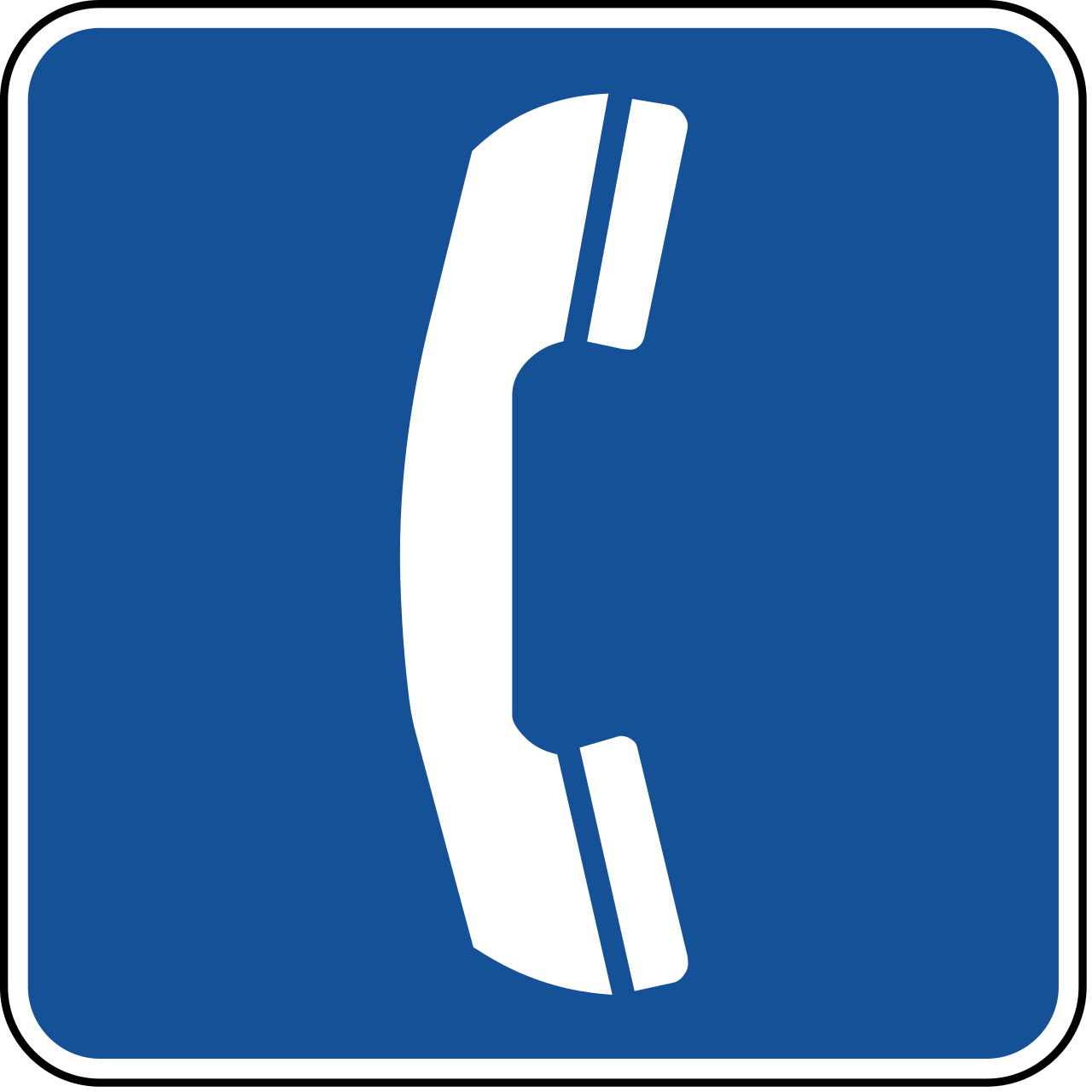
Blue motorist service sign indicating the availability of a public emergency telephone along the highway.
This sign indicates:
A) Phone service ahead
B) Emergency line available
C) Cell phone shop ahead
40.
Indicates that traffic is permitted to pass on either the left or the right side of an island, median, or obstruction.
This road sign tells drivers that:
A) they must change lane immediately.
B) they must turn either to the right or left.
C) the one-way street or roadway ahead ends.
D) None of the above.
ANSWER KEY Check answers after completing the test.
1 A
2 A
3 B
4 D
5 C
6 D
7 B
8 C
9 A
10 C
11 C
12 A
13 D
14 A
15 D
16 C
17 A
18 A
19 C
20 C
21 B
22 A
23 B
24 C
25 A
26 C
27 C
28 C
29 A
30 A
31 A
32 C
33 A
34 B
35 C
36 C
37 A
38 C
39 A
40 B