DriveQuiz drivequiz.com

MD DMV PERMİT PRACTİCE TEST 12

Maryland
Duration: 23 min
|
Questions: 25
Student Name:
Date:
Correct:      Incorrect:      Score:      
1.
If a tire suddenly blows out while you are driving, you should:
A) apply the brakes firmly.
B) slow down gradually and brake lightly.
C) pump the brakes rapidly.
2.
Warns of two consecutive curves in opposite directions (e.g., curves right then left). Slow down to maintain control.
When you see this sign you should:
A) increase your speed and try to pass other vehicles.
B) slow your speed and be prepared to stop.
C) slow your speed and do not pass other vehicles.
3.
Indicates a series of three or more consecutive sharp turns or curves ahead. Reduce speed and maintain lane control.
This sign warns drivers that:
A) they must turn either to the right or left.
B) there is a double curve ahead.
C) there is a winding road ahead.
4.
When you pass another vehicle, before you return to the right lane, you must:
A) look at your interior rear-view mirror.
B) signal.
C) All of the above.
5.
Texting while driving a motor vehicle is:
A) permitted when driving at a slow speed.
B) illegal.
C) legal if the driver is 21 years of age or older.
6.
After you stop for a school bus, you must:
A) turn off your engine.
B) pass the bus before the red lights stop flashing.
C) None of the above.
7.
When preparing to exit an expressway, drivers should start reducing their speed:
A) about halfway through the deceleration lane.
B) immediately upon entering the deceleration lane.
C) at least 100 feet before entering the deceleration lane.
8.
When driving in fog, you should never use your high beams because:
A) the light will reflect back into your eyes.
B) vehicles behind you may follow too closely.
C) oncoming vehicles might not see you.
9.
Bicyclists must:
A) ride in a bicycle lane, if available.
B) remain to the right when they prepare for a left turn.
C) remain near the left edge of the road.
10.
The road ahead is divided by a median strip or physical barrier into two separate one-way roadways. Keep to the right of the divider.
This road sign means:
A) Keep left
B) Divided highway begins
C) Lane ends
11.
Collisions can happen more often when:
A) one lane of traffic is traveling faster than the others.
B) one vehicle is traveling faster than the flow of traffic.
C) all vehicles are traveling at the posted speed limit.
12.
It is unlawful­ to:
A) pass within 250 feet of any intersection.
B) exceed the posted speed limit when passing.
C) pass within 150 feet of any railroad crossing.
13.
The use of alcohol and/or drugs affects:
A) concentration and reaction time.
B) alertness and judgement.
C) All of the above.
14.
The octagonal (8-sided) shape is exclusively reserved for STOP signs so drivers can identify it immediately even in poor visibility or from behind.
The octagonal shape is used:
A) for stop signs and railroad advance warning signs.
B) exclusively for stop signs.
C) to warn drivers of existing or possible hazards on roadways.
15.
A broken yellow line to the right of a solid yellow center line means:
A) you may pass other vehicles if no oncoming traffic is present.
B) passing is prohibited.
C) you are only allowed to make left turns in this area.
16.
Vehicles stopped behind a school bus when the red lights are flashing must remain stopped until:
A) the flashing lights turn green.
B) the stop arm is retracted and the bus begins moving.
C) all students are off the bus.
17.
Excessive speed:
A) helps you to maneuver around obstacles.
B) saves time so you can get to your destination more quickly.
C) increases the likelihood of serious bodily injuries and death.
18.
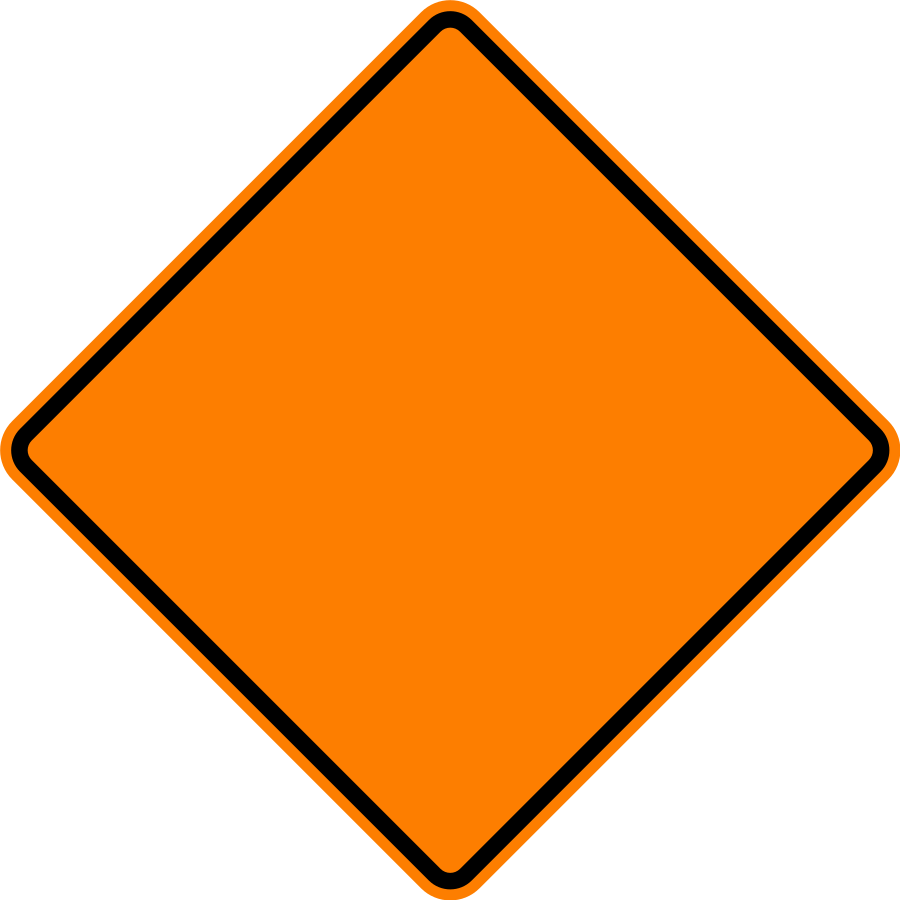
Yellow diamond-shaped signs always convey warnings about road hazards, changes in conditions, or upcoming requirements.
Signs with orange backgrounds mean:
A) railroad crossing.
B) side road ahead.
C) road construction site.
19.
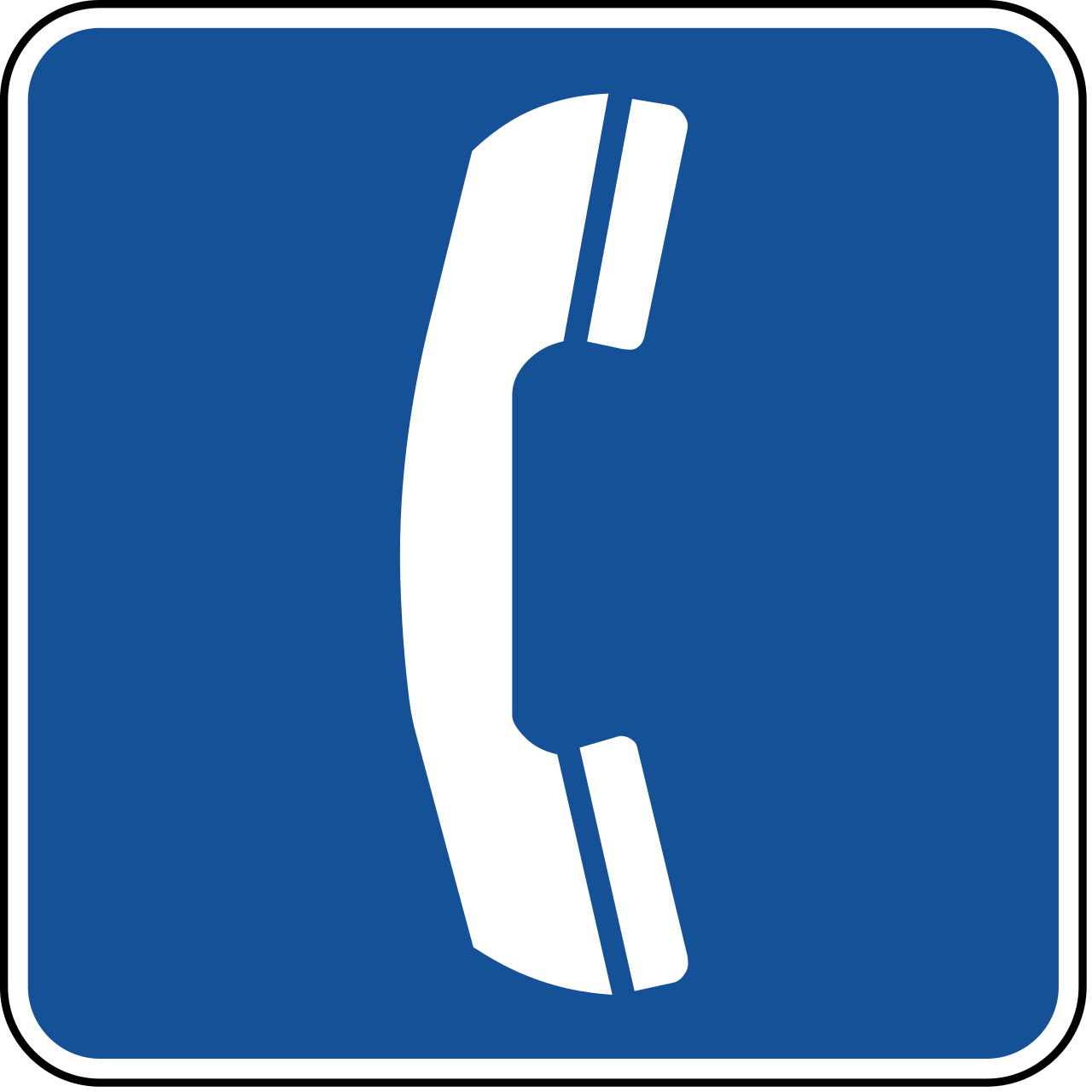
Blue motorist service sign indicating the availability of a public emergency telephone along the highway.
This sign indicates:
A) Phone service ahead
B) Emergency line available
C) Cell phone shop ahead
20.
What should you do if a vehicle is approaching head-on in your lane?
A) Pull over to the left and use your emergency lights to stop the other driver.
B) Decrease speed, pull over to the right and sound your horn to warn the other driver.
C) Turn off the ignition if your vehicle has power steering.
21.
Who is most at risk?
A) Drivers who have overslept.
B) Drivers who are driving long distances without rest breaks.
C) Experienced drivers.
22.
The yield sign is ___ and white, with ___ letters.
A) yellow; black
B) red; red
C) red; white
23.
Drivers should check their rearview mirrors:
A) often to see how traffic is moving behind them.
B) only when slowing down.
C) to see if a truck is in their blind spot.
24.
When drivers see the ‘Wrong Way’ sign:
A) they are going the wrong way on an expressway exit ramp.
B) they must drive past this sign and reach the next intersection.
C) they must not leave the pavement except in an emergency.
25.
At intersections, crosswalks, and railroad crossings, drivers should always:
A) look to the sides of their vehicle to see what is coming.
B) slowly pass vehicles the vehicles ahead.
C) stop, listen for oncoming traffic, and proceed with caution.
ANSWER KEY Check answers after completing the test.
1 B
2 C
3 C
4 C
5 B
6 C
7 B
8 A
9 A
10 B
11 B
12 B
13 C
14 B
15 A
16 B
17 C
18 C
19 A
20 B
21 B
22 B
23 A
24 A
25 A