DriveQuiz drivequiz.com

LA DMV PERMİT PRACTİCE TEST 13

Louisiana
Duration: 36 min
|
Questions: 40
Student Name:
Date:
Correct:      Incorrect:      Score:      
1.
When an approaching driver at night blinds you by failing to dim their high beams, you should look:
A) straight down the middle of the road.
B) towards the left side of the road.
C) None of the other answers is correct.
D) towards the right side of the road.
2.
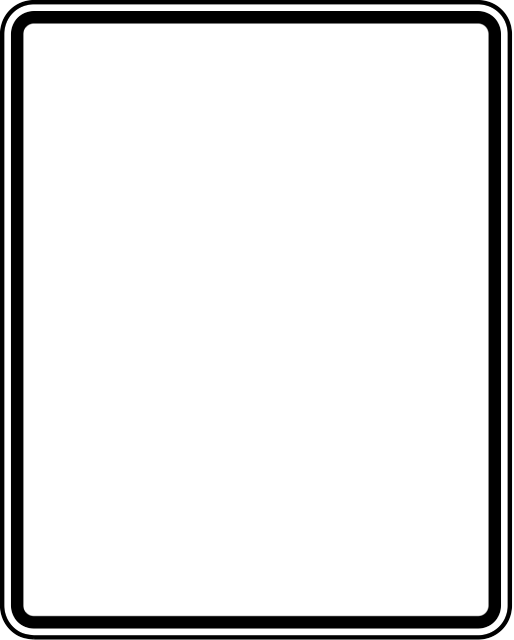
Slower-moving vehicles must stay in the right-hand lane to allow faster traffic to pass safely on multi-lane highways.
This road sign is:
A) a speed reduction sign.
B) a warning sign.
C) a regulatory sign.
3.
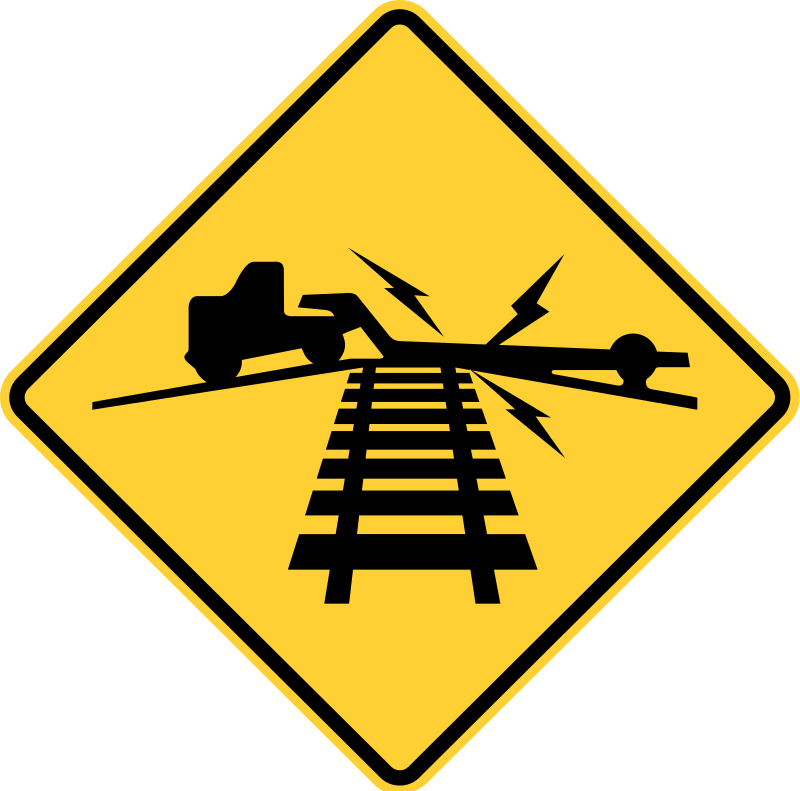
Warns of a high-centered or steep railroad hump crossing where long-wheelbase or low-slung vehicles may become stuck on the tracks.
This road sign means:
A) Winding road ahead
B) Pedestrian crossing
C) Low ground railroad crossing
D) No-passing zone
4.
A signalized intersection is ahead. Prepare to stop if the light turns yellow or red.
This road sign means:
A) Stop before turning right
B) 4-way stop ahead
C) Lane closed for traffic
D) There is a traffic signal ahead
5.
Anything that requires you to _______ could cause you to crash.
A) take your hands off the wheel
B) take your attention away from driving
C) take your eyes off the road
D) All of the above.
6.
Green and white signs:
A) give information about directions and distances.
B) are mainly used at intersections and driveways.
C) warn drivers of unexpected road conditions.
7.
When you reach an intersection with a stop sign, you should:
A) follow the vehicle ahead of you.
B) stop, look right, then left, then right again.
C) stop, look left, then right, then left again.
D) check your rearview mirror, look left, then right, then proceed.
8.
If traffic on the other side of an intersection is backed up and you cannot get completely through, you must:
A) enter the intersection and try to avoid blocking it.
B) enter the intersection and proceed with caution.
C) wait until traffic ahead is clear.
9.
If an intersection has crosswalk lines but no STOP line, where must you stop for a red light?
A) After the crosswalk.
B) Before the stop line.
C) Before the crosswalk.
10.
If your car breaks down on the highway, you should:
A) use your four-way flashers to warn other drivers.
B) sound your horn to warn passing vehicles.
C) flash your headlights at oncoming traffic.
D) stop in the right lane.
11.
Which of the following must you obey over the others?
A) Red light
B) Stop sign
C) Police officer
12.
Warns drivers that two separate lanes moving in the same direction are merging into one. Drivers in the right lane must adjust speed and merge smoothly with existing traffic.
This sign means:
A) A road crosses the main highway ahead.
B) The divided highway on which drivers are traveling ends ahead.
C) Drivers are coming to a point where another traffic lane joins the one they are on.
13.
What does it mean If an oncoming driver flashes headlights at you during a period of low visibility?
A) Your headlights are too bright. You should turn them off.
B) Your vehicle was difficult to see. You should turn on your headlights.
C) Your headlights are too bright. You should use parking lights instead.
14.
When driving in fog, drivers should:
A) not use high beam headlights.
B) use low beam headlights to better illuminate the road ahead.
C) slow down and drive cautiously.
D) All of the above.
15.
A sharp curve is ahead with a recommended safe speed plate. Slow down before entering the curve to prevent vehicle rollover.
This road sign means:
A) Merge, then slow down to the safe speed indicated
B) The road ahead curves right; slow down to indicated speed
C) Winding road ahead; slow down to the indicated speed
D) Divided highway begins. Slow down to the safe speed indicated
16.
When approaching a curve, remember to:
A) accelerate slightly before entering the curve.
B) drive at the posted speed limit throughout the curve.
C) slow down before entering the curve.
D) drive at the posted speed limit as you enter the curve, then slow down gradually.
17.
__________ are blue with white letters and symbols.
A) Warning signs
B) Service signs
C) Destination signs (guide signs)
18.
Standard rectangular shape used for general regulatory instructions and speed limits.
Vertical rectangles tell drivers:
A) the law.
B) what is not allowed.
C) the direction they should travel.
19.
When exiting a highway, you should slow down:
A) when you first see the exit sign.
B) before moving into the exit lane.
C) once you have moved into the exit lane.
D) once you see the toll booth.
20.
Destination signs are ______ with ____ letters and symbols.
A) green; white
B) blue; white
C) white; black
21.
Drivers should use the horn:
A) if a driver is moving slowly, and you want them to drive faster.
B) only when necessary, to avoid collisions.
C) when feeling angry or upset.
D) to alert other drivers that they made a mistake.
22.
When other drivers around you are acting in anger, you should:
A) slow down or move over safely.
B) distance yourself from the situation.
C) avoid making eye contact.
D) All of the above.
23.
If a vehicle using high beams comes toward you, look towards __________ of the road.
A) either side
B) the center
C) the right side
D) the left side
24.
Where are yield signs usually placed?
A) At intersections, if there is no marked stop line.
B) Where auxiliary roads lead into major roads.
C) Where major roads lead into auxiliary roads.
25.
What can you do to prevent skids on snow and ice?
A) Allow the wheels to keep turning.
B) Brake early and gently.
C) All of the above.
26.
Gauging the speed of a motorcycle may be difficult because:
A) motorcycles take up less of your field of vision.
B) motorcycles often slow down by downshifting.
C) many motorcyclists do not activate the brake light.
27.
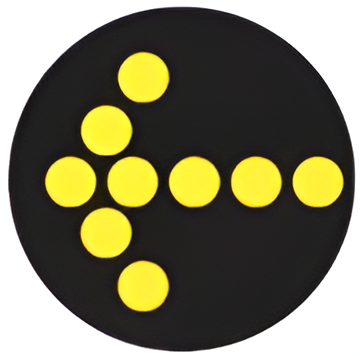
Protected left turns have ended. You may make a left turn only after yielding to all oncoming vehicles and pedestrians.
What does a flashing left yellow arrow mean?
A) Vehicles turning left must stop if they can. The light will soon be red.
B) Only right turns are allowed.
C) Left turns are allowed. Yield to oncoming traffic and pedestrians.
D) None of the above.
28.
Drivers must yield for emergency vehicles:
A) Never.
B) only when other vehicles yield.
C) when they see a flashing red or blue light or hear a siren.
D) None of the above.
29.
An octagonal sign means that drivers must:
A) respect the posted speed limit.
B) come to a complete stop at the marked stop line.
C) be aware possible hazards ahead.
30.
Which signs have black letters on a yellow or orange background?
A) Warning signs (diamond)
B) Regulatory signs (vertical rectangle)
C) Railroad advance warning signs (round)
31.
Before crossing any railroad tracks, you must:
A) look and listen for trains.
B) make sure there is room for your vehicle on the other side.
C) All of the above.
32.
The road makes a sharp 90-degree right turn ahead. Slow down considerably before entering the turn.
This road sign means:
A) One way
B) No right turn
C) Exit
D) Sharp right turn ahead
33.
What is the only effective method to reduce your BAC?
A) Eating before or while you drink.
B) Not drinking over a period of time.
C) Drinking coffee.
34.
Hydroplaning is a situation in which:
A) your tires throw water to the rear, causing problems for the vehicles behind.
B) the tires of the car ahead cause sheets of water to splash on your vehicle.
C) one of your tires goes flat, causing the others to skid.
D) your tires ride up on a thin surface of water, losing contact with the pavement, and resulting in sudden loss of control
35.
A steep downhill grade is ahead. Trucks and heavy vehicles should downshift to a lower gear to prevent brake overheating.
This traffic sign warns you about:
A) merging traffic.
B) a hill or a downgrade up ahead on the road.
C) an intersection ahead.
D) a winding road.
36.
Who has a greater risk of being involved in a traffic crash?
A) Drivers who are driving alone.
B) Young people.
C) All of the above.
37.
_________________ your mirrors when you prepare to change lanes.
A) Never depend on
B) Never use
C) Always rely on
38.
The driver of an emergency vehicle that uses lights and a siren can legally:
A) pass red lights.
B) exceed the speed limit
C) All of the above.
39.
If you miss your exit from an interstate expressway, you should:
A) go to the next exit and come back to the exit you missed.
B) use the right turn signal, check your mirrors and move to the right.
C) pull over to the right and back up with caution until you reach the exit ramp.
D) make a quick U-turn from your lane of travel.
40.
You hear a siren close by but can not see where the emergency vehicle is. What do you do?
A) Keep driving until you are sure the emergency vehicle is headed toward you.
B) Stop immediately and activate your emergency flashers.
C) Pull over to the right side of the road and stop until you are sure the emergency vehicle is not headed toward you.
ANSWER KEY Check answers after completing the test.
1 D
2 C
3 C
4 D
5 D
6 A
7 C
8 C
9 C
10 A
11 C
12 C
13 B
14 D
15 B
16 C
17 B
18 A
19 C
20 A
21 B
22 D
23 C
24 B
25 C
26 A
27 C
28 C
29 B
30 A
31 C
32 D
33 B
34 D
35 B
36 C
37 A
38 C
39 A
40 C