DriveQuiz drivequiz.com

KY DMV PERMİT PRACTİCE TEST 4

Kentucky
Duration: 36 min
|
Questions: 40
Student Name:
Date:
Correct:      Incorrect:      Score:      
1.
Drivers may cross a double yellow line to pass another vehicle if:
A) the yellow line next to the other side of the road is broken.
B) the vehicle ahead moves to the right to let them pass.
C) the yellow line next to their side of the road is broken.
2.
Indicates an upcoming bicycle crossing or shared road zone. Always leave at least 3 feet of clearance when passing cyclists.
This sign means:
A) Bicycles should yield to vehicles ahead.
B) Warning: a bikeway crosses the roadway ahead.
C) The lane ahead is reserved for bicycles.
3.
You may drive faster than the posted speed limit:
A) when passing another vehicle, as long as it is safe to do so.
B) when your lane is empty.
C) Under no circumstances.
4.
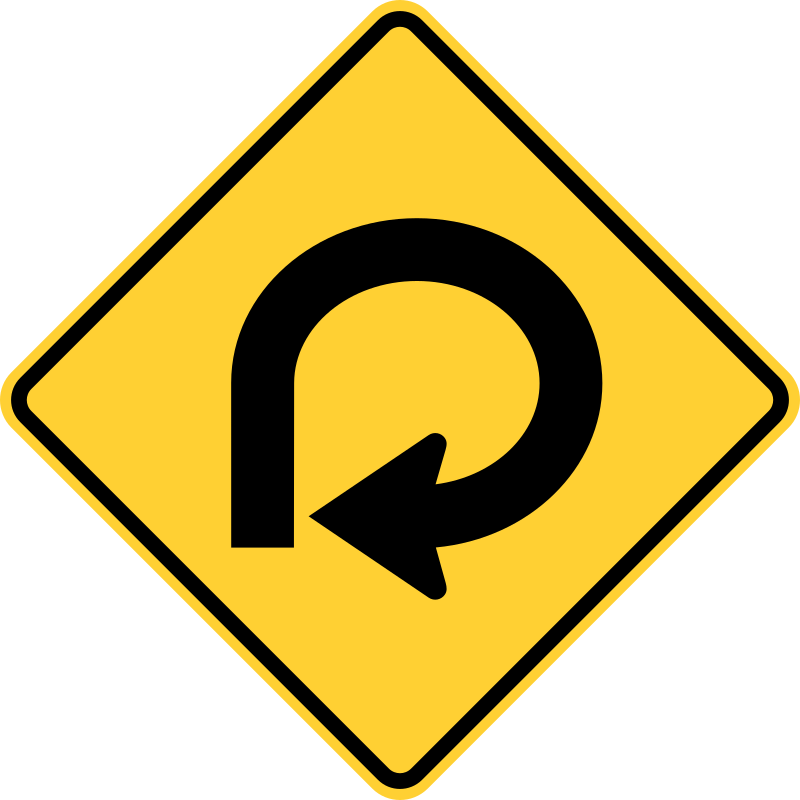
Warns of a circular exit or interchange ramp looping 270 degrees. Slow down significantly to the posted advisory speed.
This sign means:
A) Roundabout ahead.
B) 270 degree turn ahead.
C) Wrong way; Turn around immediately.
5.
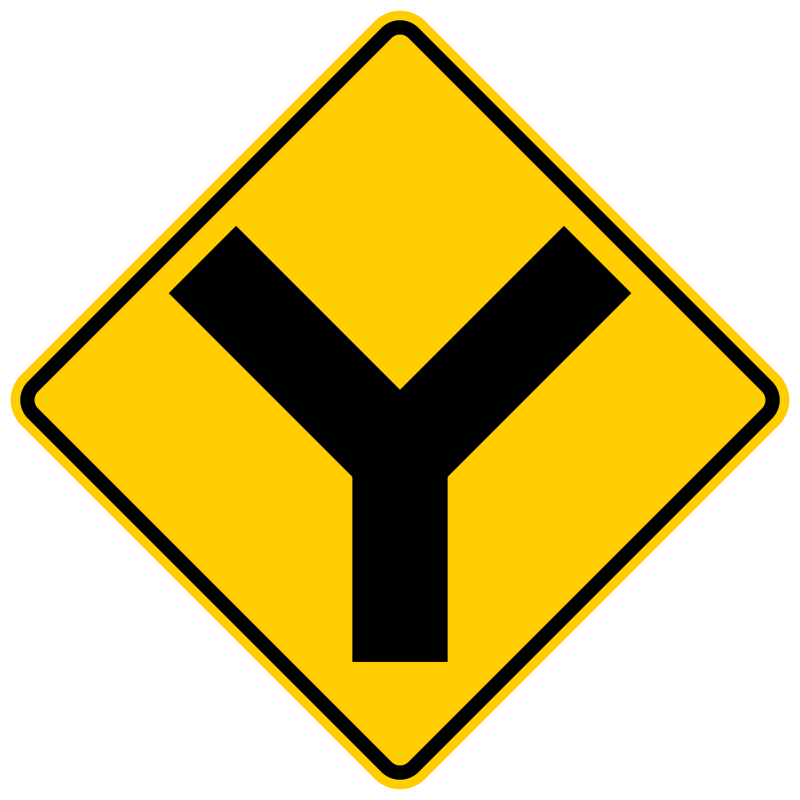
The road splits into a Y configuration ahead. Bear left or right depending on your destination and yield where marked.
This road sign means:
A) A road joins from the left
B) You must bear either right or left
C) A 3-way intersection is ahead
6.
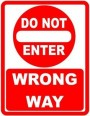
Proceed with caution. You do not need to stop unless pedestrians or hazards are present in the intersection.
A flashing yellow light:
A) warns drivers to proceed with caution.
B) is used at dangerous intersections.
C) All of the above.
7.
Broken yellow lines:
A) separate lanes of traffic moving in opposite directions.
B) indicate you are in a no passing zone.
C) separate lanes of traffic moving in the same direction.
8.
The roadway becomes particularly slippery during wet or rainy conditions. Reduce your speed, increase following distance, and avoid abrupt braking or steering.
When they see this sign, drivers:
A) should be prepared to make sharp turns at a high speed.
B) need to be prepared to turn right and then left quickly.
C) should not speed up or brake quickly.
9.
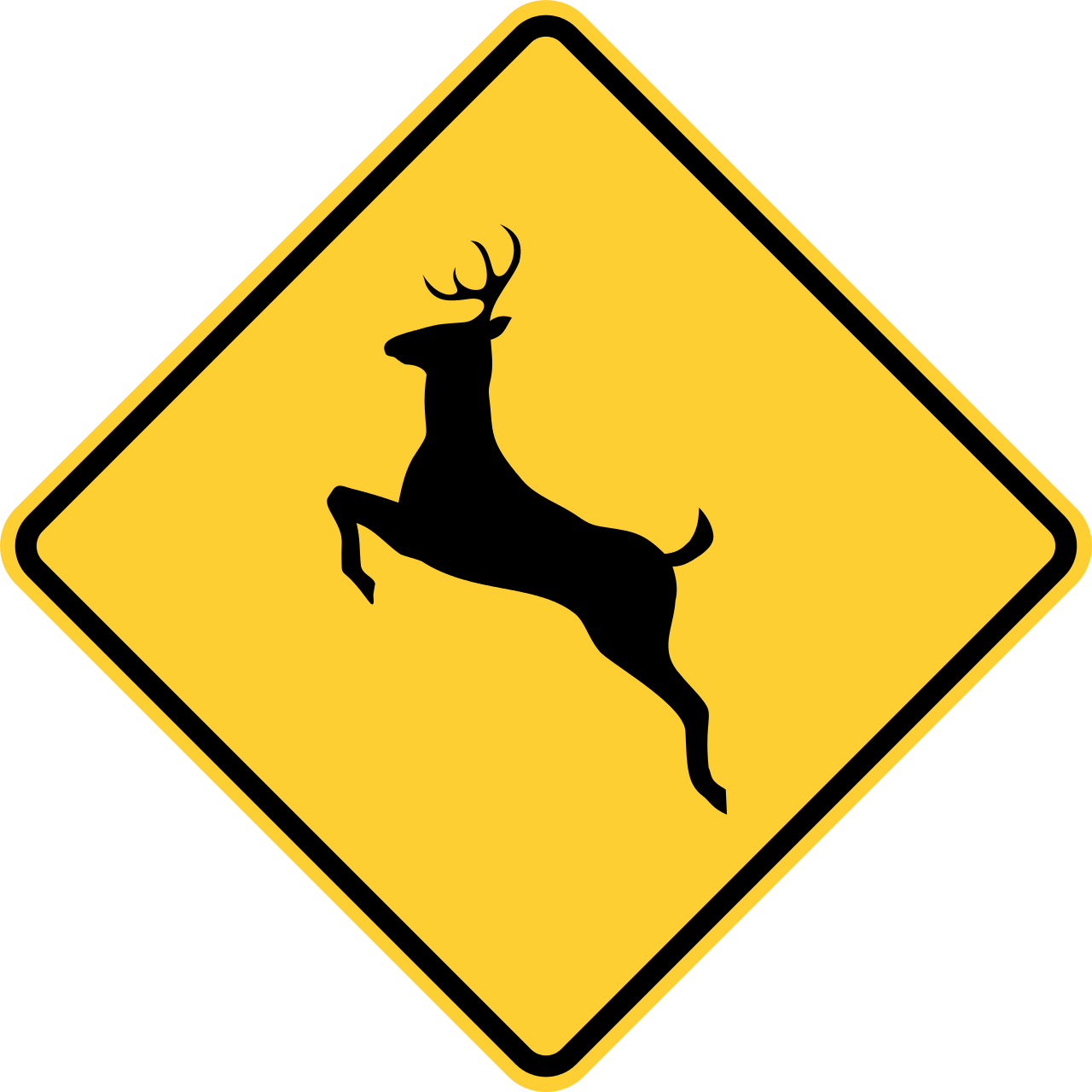
Wildlife and deer frequently cross in this area, especially at dawn and dusk. Scan the roadside and be prepared to brake safely.
When they see this road sign, drivers should:
A) drive carefully because the animal pictured on the sign is extremely rare in the area.
B) watch for this species crossing the road.
C) park in the zoo area.
10.
The roadway becomes particularly slippery during wet or rainy conditions. Reduce your speed, increase following distance, and avoid abrupt braking or steering.
This sign means:
A) The road will curve to the right, then to the left.
B) Road slippery when wet. Drive slowly.
C) Winding road ahead. Drive with caution.
11.
When passing a pedestrian who is walking on the road and an oncoming vehicle is approaching, you should:
A) keep driving, you have the right-of-way.
B) honk your horn to warn the pedestrian.
C) slow down and let the vehicle pass first.
12.
When changing lanes:
A) slow down and check your left mirror.
B) look over your shoulder to make sure no one is in the blind spot.
C) change lane before checking the inside rearview mirror.
13.
In 55 MPH traffic you are least likely to be involved in a collision if you:
A) stay within that speed range.
B) drive a few MPH faster than most.
C) drive a few MPH slower than most.
14.
If you are blinded by headlights on an approaching vehicle, you should:
A) avoid looking directly at the bright lights.
B) glance toward the side of the road, then look quickly ahead to determine the other vehicle’s position.
C) All of the above.
15.
A yellow arrow means:
A) Do not go in the direction of the arrow.
B) If you intend to turn in the direction of the arrow, be prepared to stop.
C) The same as a steady yellow light.
16.
A driver cuts off another vehicle, or threatens another motorist or a pedestrian. These are examples of:
A) excessive driving
B) road rage
C) defensive driving
17.
How can you prevent fatigue on a long trip?
A) Plan to drive long trips with a companion.
B) Get enough sleep.
C) All of the above.
18.
When driving on gravel roads:
A) your tires do not have as much traction.
B) you should use cruise control to increase traction.
C) you should keep your eyes moving.
19.
The road curves gradually to the right ahead. Reduce speed before entering the curve.
This road sign means:
A) Wrong Way
B) Merging Traffic
C) Curve ahead
20.
Reflective orange triangle displayed on vehicles traveling at 25 MPH or slower (such as farm tractors or construction machinery). Approach with caution and pass safely.
The sign in the picture:
A) is a Construction and Maintenance Traffic Control sign.
B) is found at most intersections and indicates that drivers must yield to other vehicles.
C) is displayed on the rear of slow moving vehicles.
21.
If a bus needs to make a right turn and you are also turning right:
A) squeeze between the bus and the curb.
B) try to turn right before the bus does.
C) wait until the bus turns before turning right.
22.
What should you do if your rear wheels start to skid?
A) Steer left if your rear wheels slide right.
B) If the vehicle has ABS, pump the pedal carefully.
C) Turn the steering wheel in the direction the vehicle is trying to go.
23.
Before making a left turn from a one-way street, you must:
A) be in the lane closest to the left curb.
B) be in the lane closest to the right curb.
C) be in the lane closest to the center of the street.
24.
To avoid traction loss from hydroplaning, drivers should:
A) keep a constant speed.
B) apply the brakes as soon as the car starts to skid.
C) slow down.
25.
An emergency vehicle that uses lights and a siren can be unpredictable. Why?
A) The driver can legally pass red lights.
B) Emergency vehicles must go faster than the posted speed limit when it is safe to do so.
C) Emergency vehicle drivers are not required to be careful.
26.
What is a likely effect when you take another drug while you drink alcohol?
A) The effects of the alcohol and the drug are enhanced.
B) There are no effects, unless the drug is prescription only.
C) If the drug is over-the-counter, there are no effects.
27.
The roadway ahead is narrowing or a lane is ending. Merge smoothly into the continuing lane.
This sign warns drivers that:
A) there is a one lane bridge ahead.
B) the right lane ends.
C) the road ahead is narrow.
28.
Yellow traffic signs:
A) guide drivers.
B) when combined with an octagonal shape, tell drivers they must come to a complete stop at the marked stop line.
C) warn drivers.
29.
If a traffic officer signals you to drive through a red light:
A) you must do it.
B) you must wait for the red light to turn green.
C) you must not obey the officer. Signs and signals take precedence over directions given by traffic officers.
30.
When turning, drivers should:
A) always move to the right lane.
B) check traffic in all directions.
C) increase their speed to improve stability.
31.
A traffic sign with a red circle around and a slash over a symbol means:
A) the maneuver shown by the symbol is not allowed.
B) Do not drive faster than the posted speed limit.
C) the maneuver shown on the sign should be executed with extreme caution.
32.
Indicates a series of three or more consecutive sharp turns or curves ahead. Reduce speed and maintain lane control.
This road sign means:
A) Pavement ends
B) Winding road
C) Double curve ahead
33.
After passing a vehicle, it is safe to return to your lane when:
A) the driver you passed slows down to let you return to your lane.
B) you can see both headlights of the vehicle you just passed in your rearview mirror.
C) you are at least 100 feet ahead of the vehicle you passed.
34.
What is the meaning of red traffic signs?
A) High emphasis warning.
B) Stop, do not enter or wrong way.
C) Regulatory.
35.
Continuous hard braking on ice and snow often:
A) is the best option during winter.
B) keeps the brakes from freezing.
C) causes the front wheels to lock.
36.
Slower-moving vehicles must stay in the right-hand lane to allow faster traffic to pass safely on multi-lane highways.
This road sign is:
A) a speed reduction sign.
B) a warning sign.
C) a regulatory sign.
37.
Prohibits drivers from making a 180-degree turn to travel in the opposite direction at this intersection or stretch of road.
This road sign means:
A) Left turns are not allowed where this sign is displayed.
B) Drivers cannot make a complete turn to go in the opposite direction.
C) Vehicles turning left must make a U-turn.
38.
Alerts drivers to a major crossroads intersection ahead. Watch for vehicles entering or crossing the roadway.
This road sign means:
A) Drivers may proceed if the way is clear
B) Drivers are about to enter a one way street the wrong way
C) U-turns are prohibited
39.
The roadway ahead is narrowing or a lane is ending. Merge smoothly into the continuing lane.
This road sign means:
A) Merge right
B) Stop sign ahead
C) Reduction in lanes
40.
If cars approaching from opposite directions reach an intersection at the same time:
A) a car that moves straight must yield to cars that turn left.
B) a car that turns left must yield to cars that move straight or turn right.
C) a car that turns right must yield to cars that move straight or turn left.
ANSWER KEY Check answers after completing the test.
1 C
2 B
3 C
4 B
5 B
6 C
7 A
8 C
9 B
10 B
11 C
12 B
13 A
14 C
15 B
16 B
17 C
18 A
19 C
20 C
21 C
22 C
23 A
24 C
25 A
26 A
27 B
28 C
29 A
30 B
31 A
32 B
33 B
34 B
35 C
36 C
37 B
38 B
39 C
40 B