DriveQuiz drivequiz.com

KY DMV PERMİT PRACTİCE TEST 11

Kentucky
Duration: 36 min
|
Questions: 40
Student Name:
Date:
Correct:      Incorrect:      Score:      
1.
Drivers often fail to see a motorcycle headed toward them. Why?
A) It is difficult to judge a motorcycle's speed.
B) Motorcycles are hard to see.
C) All of the above.
2.
If traffic on the other side of an intersection is backed up and you cannot get completely through, you must:
A) enter the intersection and try to avoid blocking it.
B) enter the intersection and proceed with caution.
C) wait until traffic ahead is clear.
3.
When driving at night, drivers should:
A) always use their high beams.
B) increase their following distance.
C) look directly into the oncoming headlights of approaching vehicles.
4.
When preparing to drive, you should:
A) adjust your seat and mirrors.
B) shift the transmission to neutral.
C) pump the brakes.
5.
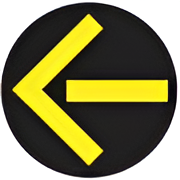
Unprotected left turns are allowed. You may turn left after yielding to oncoming traffic and pedestrians crossing the street.
What does a yellow arrow signal mean?
A) The same as the yellow light, but applies only to movement in the direction of the arrow.
B) The same as a green light.
C) Vehicles moving in all directions must stop if they can. The light will soon be red.
6.
To avoid glare from headlights of an approaching car:
A) stay focused on the center line on the road.
B) don't look directly into the oncoming headlights, look toward the right edge of your lane.
C) flash your high beams.
7.
A sharp curve is ahead with a recommended safe speed plate. Slow down before entering the curve to prevent vehicle rollover.
This sign indicates that:
A) the highest safe speed drivers should travel around the curve ahead is 25 MPH.
B) the safe speed around the curve ahead is at least 25 MPH.
C) drivers may not turn right if traveling at 25 MPH or less.
8.
Which of the following is a common cause of traffic collisions?
A) Scanning the road ahead and staying focused on the driving task.
B) Driving too fast for conditions.
C) Pedestrians being key participants in the transportation system.
9.
The maximum legal speed under ideal driving conditions is 50 miles per hour. Always adjust speed downward for adverse weather, traffic, or road conditions.
This road sign means:
A) You must travel at the speed indicated
B) The maximum speed limit under ideal conditions
C) None of the above
10.
When is the pavement most slippery?
A) If it's been raining several hours.
B) When it has just begun to rain.
C) When it's been raining from at least one hour.
11.
What should you do when an aggressive driver confronts you?
A) Avoid eye contact with the aggressive driver.
B) Make eye contact.
C) Challenge the aggressive driver with increased speed.
12.
For protection, motorcyclists are required to:
A) keep their headlights and taillights on at all times.
B) signal turns, lane changes and stops.
C) wear approved helmets.
13.
As your speed increases it is most important to:
A) drive with both hands on steering wheel.
B) maintain a constant speed.
C) look farther ahead.
14.
A side road enters the highway from the right or left. Watch for traffic turning onto or crossing your lane.
This road sign warns drivers that:
A) left turns are not allowed at the intersection.
B) the road will make a sharp turn to the right.
C) another road enters the highway from the direction shown.
15.
Directions given by traffic officers ___________ signs, signals or pavement markings.
A) take precedence over
B) are less important than
C) must obey
16.
On what three conditions does your blood alcohol content (BAC) depend?
A) Your weight. How much alcohol you drink. How much time passes between drinks.
B) Your weight. The type of beverage you drink. How fit you are.
C) Your height. How much alcohol you drink. The type of beverage you drink.
17.
Slower-moving vehicles must stay in the right-hand lane to allow faster traffic to pass safely on multi-lane highways.
This regulatory road sign indicates that:
A) Vehicles must slow down and stay in the right lane.
B) The right hand lane is reserved for buses and car-pool vehicles.
C) Slower vehicles traveling on multiple lane highways must stay in the right hand lane.
18.
Your red traffic signal changes to green while a pedestrian is crossing in your traffic lane. The right of way should be given:
A) by the pedestrian, but only when vehicles are turning left.
B) by the pedestrian.
C) to the pedestrian.
19.
Where there is no bicycle lane, where on the road must a bicyclist ride?
A) on the left shoulder of the road.
B) near the right curb or edge of the road.
C) near the left edge of the road.
20.
Right turns are strictly prohibited at this intersection under all circumstances.
This road sign means:
A) Right turn is not permitted
B) Left turns are permitted
C) You may turn right after yielding the right-of-way to oncoming traffic
21.
A solid yellow line next to a broken yellow line means that vehicles:
A) next to the solid line may pass.
B) in both directions may pass.
C) next to the broken line may pass.
22.
BAC is expressed in:
A) percentage of alcohol to blood.
B) percentage of blood to alcohol.
C) ounces of alcohol in your blood.
23.
There are two traffic lanes in your direction. You are driving in the left lane and many vehicles are passing you on the right, and the driver behind you wishes to drive faster. You should:
A) stay in your lane and maintain your current speed.
B) drive onto the left shoulder to let the other driver pass.
C) move over into the right lane when safe to do so.
24.
A steep downhill grade is ahead. Trucks and heavy vehicles should downshift to a lower gear to prevent brake overheating.
This sign warns of a ________ ahead.
A) hill
B) no passing zone
C) soft shoulder
25.
If one of your tires blows out while driving, you should:
A) apply the brakes firmly and steer toward the right edge of the road.
B) pump the brakes.
C) hold the steering wheel firmly, slow down, and steer smoothly.
26.
Most signs used in street work areas are:
A) round.
B) diamond shaped.
C) rectangle shaped.
27.
Who is most at risk?
A) Drivers who are fatigued.
B) Drivers who are driving on long, boring roads.
C) All of the above.
28.
A broken white line:
A) means passing or crossing is prohibited in that lane.
B) separates two lanes traveling in the same direction.
C) marks the right edge of the roadway.
29.
Just like alcohol and other drugs, drowsiness can:
A) help you to be a better driver.
B) make you feel better.
C) impair your judgment.
30.
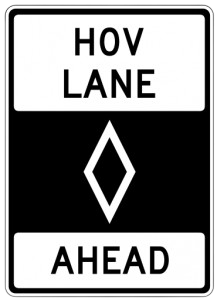
High-Occupancy Vehicle (HOV) diamond lane ahead. Only vehicles carrying the minimum required number of passengers (usually 2 or more) may use this lane.
This road sign indicates that:
A) a lane is reserved for certain purposes or certain vehicles.
B) buses and car pools may not travel in the restricted lane.
C) vehicles cannot go straight ahead. Cars must turn either to the right or left.
31.
A side road enters the highway from the right or left. Watch for traffic turning onto or crossing your lane.
This road sign means:
A) Merge
B) Side Road
C) Merging Traffic
D) All traffic must go straight ahead
32.
What is the only effective method to reduce your BAC?
A) Eating before or while you drink.
B) Not drinking over a period of time.
C) Drinking coffee.
33.
Right turns are strictly prohibited at this intersection under all circumstances.
This road sign means:
A) No left turn
B) No right turn
C) No U-turns
34.
Warns drivers that two separate lanes moving in the same direction are merging into one. Drivers in the right lane must adjust speed and merge smoothly with existing traffic.
This road sign means:
A) Lane shifting
B) Merging traffic
C) Do not block intersection
35.
Regulatory signs are:
A) white.
B) yellow.
C) green.
36.
If you hear a thumping sound while driving, you should:
A) hook your shoe under the gas pedal and see if you can free it.
B) get off the road and check your tires.
C) try your emergency lights.
37.
Drivers may need more space in front of their vehicle:
A) when following motorcycles.
B) when carrying a heavy load or pulling a trailer.
C) All of the above.
38.
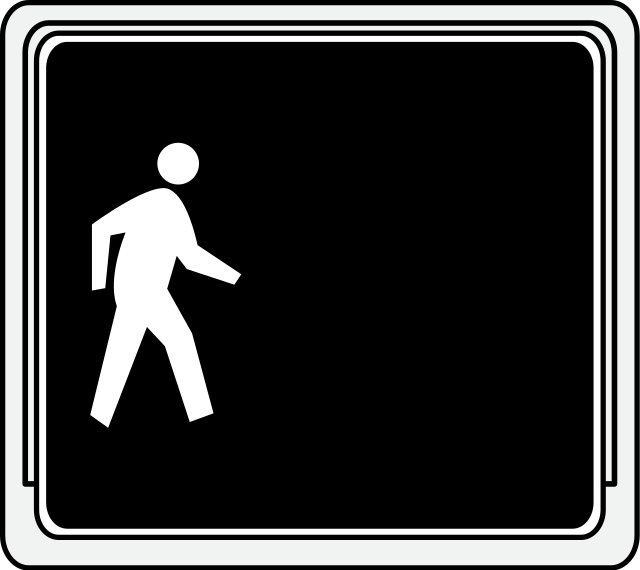
Illuminated white walking person indicates pedestrians have right-of-way to begin crossing the street in the designated crosswalk.
What does the pictured signal indicate?
A) A pedestrian may begin crossing the street.
B) Pedestrians may turn right.
C) A pedestrian may not not begin crossing the street.
39.
Who is most at risk?
A) Drivers who have overslept.
B) Drivers who are driving long distances without rest breaks.
C) Experienced drivers.
40.
Night driving can be more difficult because:
A) vehicle speed and distance are harder to judge.
B) there are more cars on the roads at night.
C) the speed limit is increased at night.
ANSWER KEY Check answers after completing the test.
1 C
2 C
3 B
4 A
5 A
6 B
7 A
8 B
9 B
10 B
11 A
12 C
13 C
14 C
15 A
16 A
17 C
18 C
19 B
20 A
21 C
22 A
23 C
24 A
25 C
26 B
27 C
28 B
29 C
30 A
31 B
32 B
33 B
34 B
35 A
36 B
37 C
38 A
39 B
40 A