DriveQuiz drivequiz.com

GA DMV PERMİT PRACTİCE TEST 4

Georgia
Duration: 36 min
|
Questions: 39
Student Name:
Date:
Correct:      Incorrect:      Score:      
1.
This lane is exclusively designated for making U-turns. Through traffic and right turns are not allowed from this lane.
This sign means:
A) You may make a U-turn.
B) Hairpin corner ahead.
C) You must make a U-turn.
2.
The roadway becomes particularly slippery during wet or rainy conditions. Reduce your speed, increase following distance, and avoid abrupt braking or steering.
This road sign means:
A) Watch for vehicles entering from the side
B) When pavement is wet, reduce your speed
C) Winding road ahead
3.
Slower-moving vehicles must stay in the right-hand lane to allow faster traffic to pass safely on multi-lane highways.
This regulatory road sign indicates that:
A) Vehicles must slow down and stay in the right lane.
B) The right hand lane is reserved for buses and car-pool vehicles.
C) Slower vehicles traveling on multiple lane highways must stay in the right hand lane.
4.
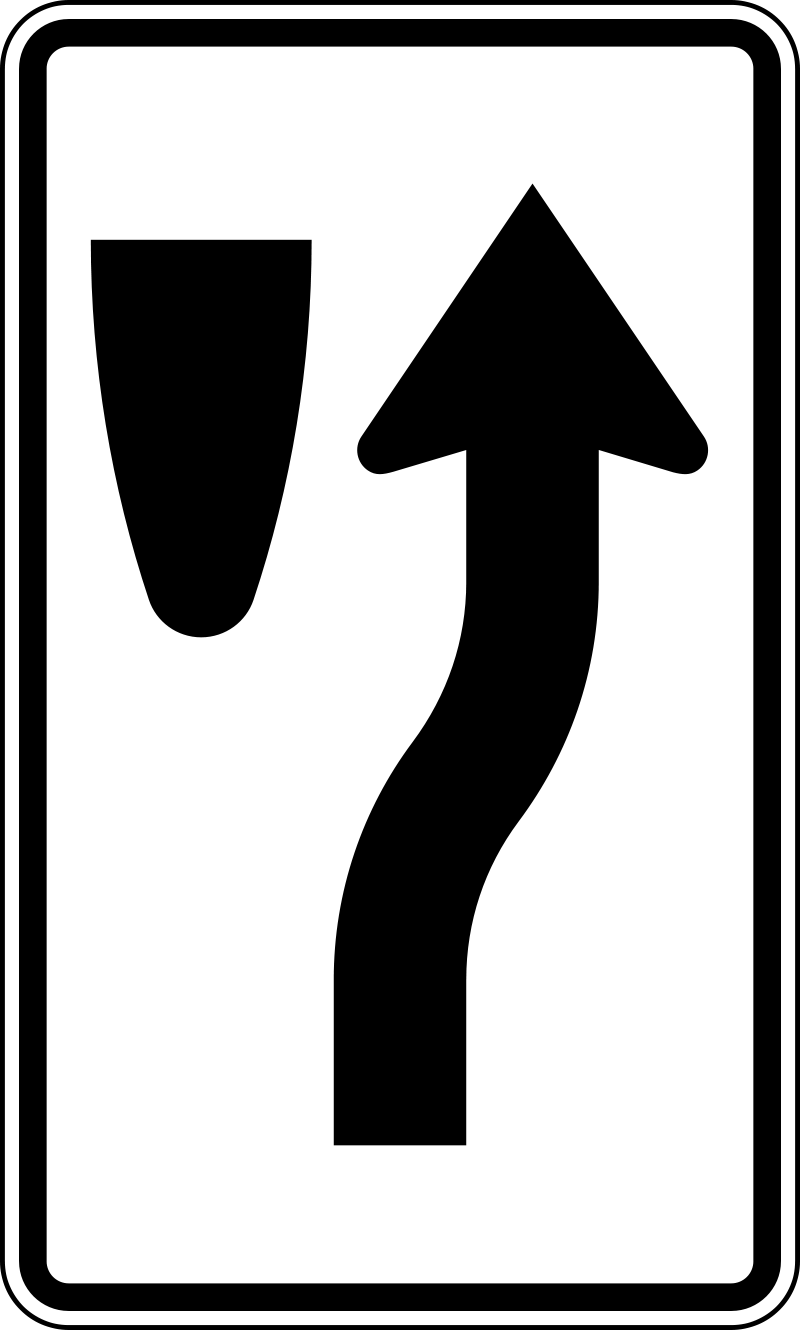
Drivers must pass to the right side of a traffic island, median barrier, or highway divider.
This sign tells drivers that:
A) there is a right turn ahead.
B) they must stay on the right side of the divider
C) a divided highway ends ahead.
5.
All approaching traffic must stop completely. The first vehicle to reach the intersection and stop has right-of-way; if two vehicles arrive simultaneously, the vehicle on the right goes first.
A four-way stop sign means:
A) traffic from all four directions must stop.
B) if two vehicles reach the intersection at the same time, the driver on the left yields to the driver on the right.
C) All of the above.
6.
Prohibits drivers from making a 180-degree turn to travel in the opposite direction at this intersection or stretch of road.
This road sign means:
A) No left turn
B) No U-turn
C) Detour ahead
7.
Diamond-shaped signs:
A) are used to warn of hazards on roadways.
B) indicate no pass zones.
C) typically provide guidance to drivers.
8.
When approaching a highway-rail intersection, the first sign drivers see is usually:
A) an RXR round sign on a yellow background.
B) a stop sign.
C) a yield sign.
9.
Come to a complete stop before the stop line, crosswalk, or intersection. Look left, right, and left again, and proceed only when it is safe and right-of-way is clear.
When you see this sign you should stop and:
A) check traffic in all direction before proceeding.
B) check for vehicles in the opposite direction, then proceed.
C) yield the right-of way to all vehicles coming from the left.
10.
What is the meaning of orange traffic signs?
A) Yield.
B) Warning of school, pedestrian, and bicycling activity.
C) Construction and maintenance warning.
11.
The road ahead is divided by a median strip or physical barrier into two separate one-way roadways. Keep to the right of the divider.
This road sign means:
A) Divided highway ahead - stay to the right
B) Do not enter
C) Do not pass
12.
Alerts drivers to an upcoming crosswalk where pedestrians frequently cross. Slow down and yield right-of-way to anyone in or about to enter the roadway.
What should drivers do when they see this road sign?
A) come to a complete stop and wait for a train to cross.
B) slow down, look for a train, and be prepared to stop.
C) look for a human flagger.
13.
Yellow traffic signs:
A) guide drivers.
B) when combined with an octagonal shape, tell drivers they must come to a complete stop at the marked stop line.
C) warn drivers.
14.
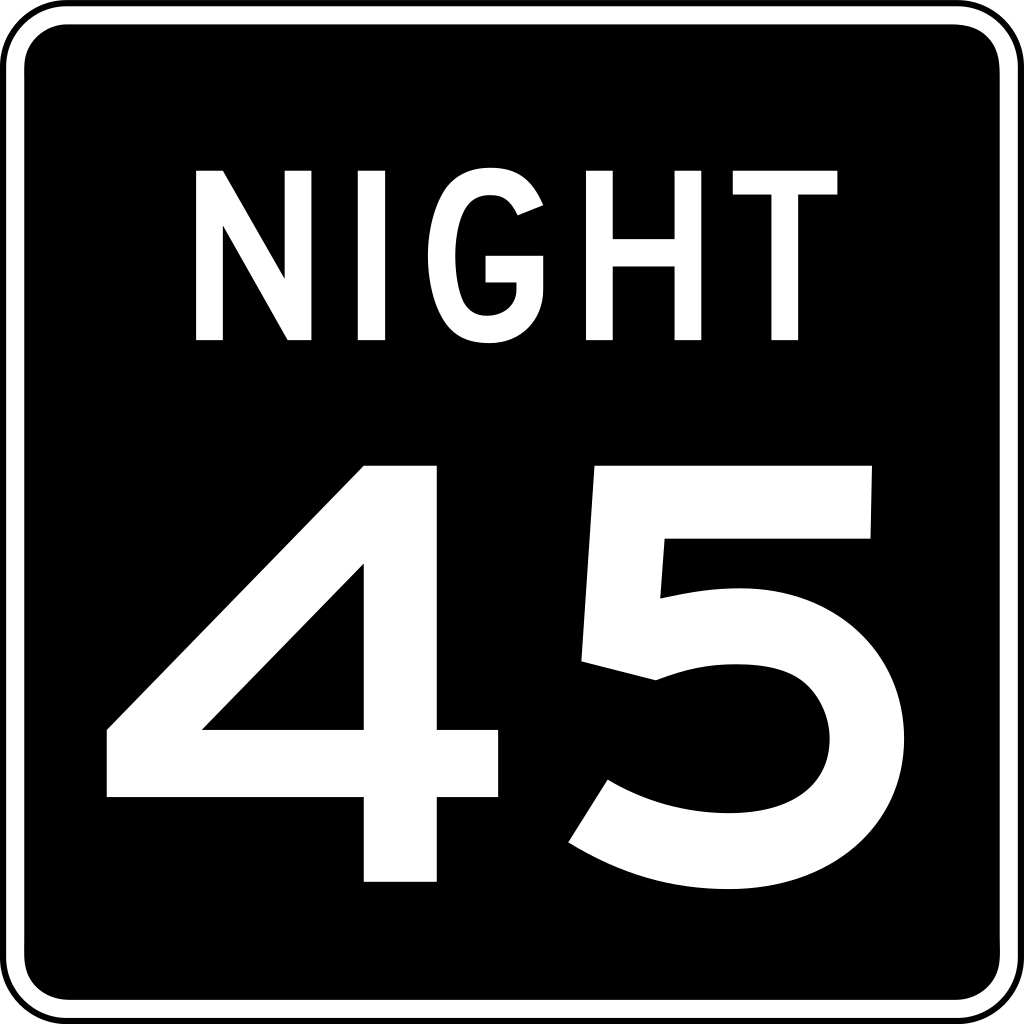
Indicates a lower maximum legal speed limit that applies only during nighttime hours for safety.
This sign means:
A) Take route 45 if you are driving at night.
B) The night-time speed limit is 45 MPH.
C) The minimum speed limit is 45 MPH.
15.
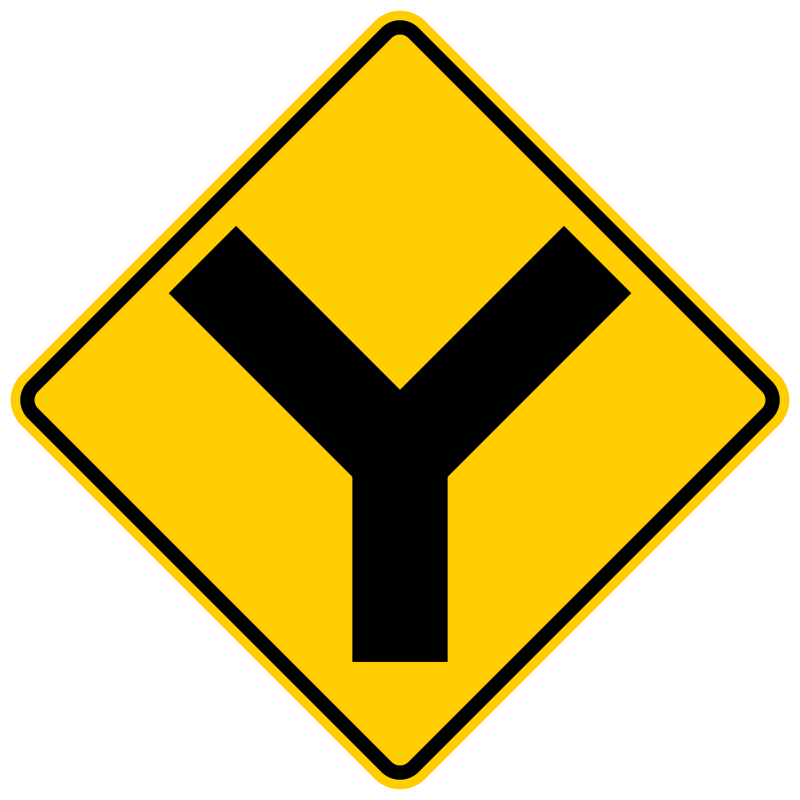
The road splits into a Y configuration ahead. Bear left or right depending on your destination and yield where marked.
This road sign means:
A) A road joins from the left
B) You must bear either right or left
C) A 3-way intersection is ahead
16.
Another road crosses the highway ahead. Look left and right for crossing or entering vehicles.
This sign indicates:
A) a side road.
B) a cross road.
C) a church zone ahead.
17.
Slow down and give right-of-way to all oncoming vehicles, cyclists, and pedestrians. Stop completely if necessary before entering the intersection or merging.
The yield sign means:
A) Drive with caution in wet weather.
B) You must come to a complete stop.
C) Slow down and give vehicles crossing your path the right-of-way.
18.
Alerts drivers to an upcoming crosswalk where pedestrians frequently cross. Slow down and yield right-of-way to anyone in or about to enter the roadway.
This sign means:
A) Railroad crossing
B) No Passing Zone
C) The road ends ahead
19.
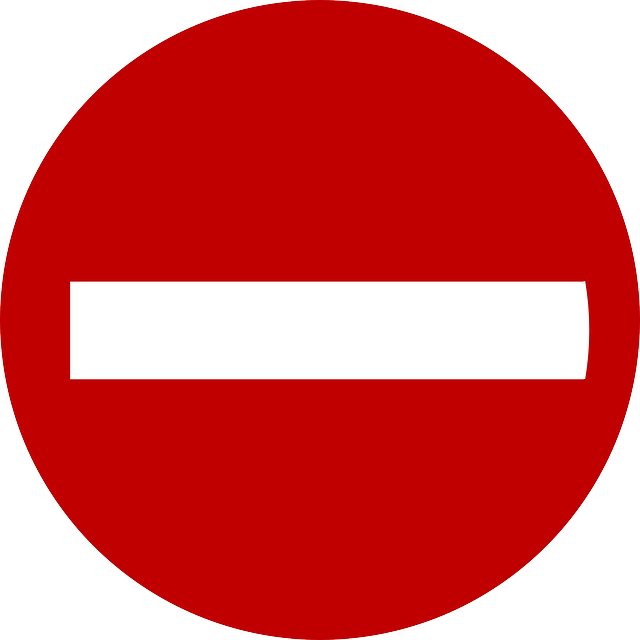
Indicates you have entered an exit ramp or one-way street in the incorrect direction. Stop immediately and safely turn around.
This road sign means:
A) No left turn
B) Lane ends
C) Do not enter
20.
If you hear a thumping sound while driving, you should:
A) hook your shoe under the gas pedal and see if you can free it.
B) get off the road and check your tires.
C) try your emergency lights.
21.
If you are involved in an accident, you are required to immediately:
A) notify your family.
B) drive to the closest police station to report the accident.
C) render aid to the injured.
22.
What happens if two vehicles reach at the same time an intersection with four-way stop signs?
A) The driver on the right yields to the driver on the left.
B) The driver on the left yields to the driver on the right.
C) The first vehicle to reach the intersection must yield.
23.
When you make a left turn from a one-way road into a one-way road, if the road you enter has two lanes, you:
A) must turn into its right lane.
B) can not turn left.
C) must turn into its left lane.
24.
In heavy rain, tires can begin to ride on the water that is on top of the road pavement. This is called:
A) rideplaning.
B) hydroplaning.
C) pavement-planing.
D) waterplaning.
25.
What should you do if your rear wheels start to skid?
A) Steer left if your rear wheels slide right.
B) If the vehicle has ABS, pump the pedal carefully.
C) Turn the steering wheel in the direction the vehicle is trying to go.
26.
After you stop for a school bus, you must:
A) turn off your engine.
B) pass the bus before the red lights stop flashing.
C) None of the above.
27.
If you are blinded by headlights on an approaching vehicle, you should:
A) avoid looking directly at the bright lights.
B) glance toward the side of the road, then look quickly ahead to determine the other vehicle’s position.
C) All of the above.
28.
When a school bus is picking up or dropping off children, you must:
A) slow down and pass the bus with caution.
B) stop if you are driving in the same direction.
C) stop regardless of your direction of travel.
29.
Before a school bus stops to load passengers, the driver will usually flash:
A) yellow warning lights.
B) red warning lights.
C) red lights.
30.
Who is most at risk?
A) Drivers who are fatigued.
B) Drivers who are driving on long, boring roads.
C) All of the above.
31.
Parking is not allowed:
A) on the road side of a parked vehicle.
B) in a tunnel.
C) All of the above.
32.
Before crossing any railroad tracks, you must:
A) look and listen for trains.
B) make sure there is room for your vehicle on the other side.
C) All of the above.
33.
The only effective way to reduce your blood alcohol content (BAC) is:
A) drinking coffee.
B) fresh air.
C) not to drink over a period of time.
34.
If your front wheels start to skid, the first thing you should do is:
A) Take your foot off the gas pedal and shift to neutral.
B) Immediately turn in the direction you want to go.
C) Speed up, pump your brakes and steer in the direction the vehicle is trying to go.
35.
After passing a vehicle, it is safe to return to your lane when:
A) the driver you passed slows down to let you return to your lane.
B) you can see both headlights of the vehicle you just passed in your rearview mirror.
C) you are at least 100 feet ahead of the vehicle you passed.
36.
What should you do if your brakes fail?
A) Hook your shoe under the pedal and see if you can free it.
B) Turn on your cruise control.
C) Try pumping the brake pedal to increase pressure.
37.
When approaching any intersection or driveway, drivers should:
A) look both ways and be ready to stop.
B) pass other vehicles and then stop.
C) drive at the fastest speed just before entering the intersection.
38.
When dust is blowing across the roadway making it difficult to see other vehicles, you should drive slower and turn on your:
A) headlights.
B) parking lights.
C) emergency flashers.
39.
You reach an intersection that is not controlled at the same time as a driver on your right, and both of you prepare to go straight. Who has the right-of-way?
A) You.
B) No one.
C) The other driver.
ANSWER KEY Check answers after completing the test.
1 C
2 B
3 C
4 B
5 C
6 B
7 A
8 A
9 A
10 C
11 A
12 B
13 C
14 B
15 B
16 B
17 C
18 A
19 C
20 B
21 C
22 B
23 C
24 B
25 C
26 C
27 C
28 C
29 A
30 C
31 C
32 C
33 C
34 A
35 B
36 C
37 A
38 A
39 C