DriveQuiz drivequiz.com

DC DMV PERMİT PRACTİCE TEST 19

District of Columbia
Duration: 23 min
|
Questions: 25
Student Name:
Date:
Correct:      Incorrect:      Score:      
1.
Drinking alcohol while taking drugs can:
A) have a less pronounced effect than either taken separately.
B) have a more pronounced effect than either taken separately.
C) improves concentration.
D) improve your driving performance.
2.
You have stopped for a train at a railroad crossing. After the train passes, you must:
A) look to see if another train is coming, then cross the tracks if it is safe to do so.
B) watch for vehicles that must stop at railroad crossings (school buses, vehicles carrying hazardous materials, etc.).
C) All of the above.
3.
Which of the following may result in an arrest for driving under the influence of intoxicants (DUII)?
A) A controlled substance, such as prescription medicines or illegal drugs.
B) An inhalant, such as glue or paint.
C) Alcohol
D) All of the above.
4.
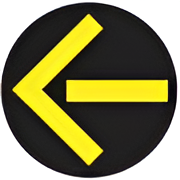
Unprotected left turns are allowed. You may turn left after yielding to oncoming traffic and pedestrians crossing the street.
What does a yellow arrow signal mean?
A) The same as the yellow light, but applies only to movement in the direction of the arrow.
B) The same as a green light.
C) Vehicles moving in all directions must stop if they can. The light will soon be red.
5.
When changing lanes:
A) slow down and check your left mirror.
B) look over your shoulder to make sure no one is in the blind spot.
C) change lane before checking the inside rearview mirror.
6.
Indicates an upcoming bicycle crossing or shared road zone. Always leave at least 3 feet of clearance when passing cyclists.
This road sign means:
A) Watch for bicycles
B) Bicycle parking ahead
C) Bicycles are not allowed in this area
7.
When in a motor vehicle on a highway, it is:
A) illegal to drink from, but permissible to transport, open containers of alcohol in the passenger compartment.
B) illegal to possess an open container of alcohol in the passenger compartment.
C) acceptable to drink alcoholic beverages if you are not driving.
D) permissible to drink a moderate amount of alcohol when driving with a passenger.
8.
Warns that a one-way street or divided highway is ending, and you are entering a roadway with oncoming traffic in the opposing lane. Stay to the right.
This road sign warns drivers that:
A) they are coming to a point where another traffic lane joins the one they are on.
B) a divided highway is ahead.
C) the one-way street or roadway is about to change to two-way traffic.
9.
The road ahead is divided by a median strip or physical barrier into two separate one-way roadways. Keep to the right of the divider.
This road sign means:
A) Keep left
B) Divided highway begins
C) Lane ends
10.
The extra space in front of a large truck is needed for:
A) other drivers when merging onto a freeway.
B) the truck driver to stop the vehicle.
C) other drivers when they want to pass the truck.
11.
Another road crosses the highway ahead. Look left and right for crossing or entering vehicles.
This road sign means:
A) Crossroad
B) Hospital parking ahead
C) Merge
12.
When drivers see the ‘Wrong Way’ sign:
A) they are going the wrong way on an expressway exit ramp.
B) they must drive past this sign and reach the next intersection.
C) they must not leave the pavement except in an emergency.
13.
Before backing up, you should:
A) get off the car to see if it is clear to proceed.
B) rely on your mirrors to see if it is clear to proceed.
C) turn your head and look through the rear window.
D) flash your headlights.
14.
Warns drivers that two separate lanes moving in the same direction are merging into one. Drivers in the right lane must adjust speed and merge smoothly with existing traffic.
This road sign means:
A) Lane shifting
B) Traffic is entering from another road, drive with caution
C) Stop for other traffic
D) Yield right-of-way
15.
Another road crosses the highway ahead. Look left and right for crossing or entering vehicles.
This sign indicates:
A) a side road.
B) a cross road.
C) a church zone ahead.
16.
The road ahead is divided by a median strip or physical barrier into two separate one-way roadways. Keep to the right of the divider.
This sign means:
A) Divided highway ahead.
B) Divided highway ends.
C) Drivers will soon be on a roadway with two-way traffic.
17.
Before stopping your vehicle on the roadway, drivers should:
A) check their mirrors for traffic.
B) place their foot on the accelerator.
C) pump the brakes to check if they work properly.
18.
A steep downhill grade is ahead. Trucks and heavy vehicles should downshift to a lower gear to prevent brake overheating.
This road sign means:
A) Watch for trucks entering from the side
B) Merging traffic
C) Steep hill
19.
Which shape is a stop sign?
A) Diamond
B) Octagon
C) Upside-down triangle
20.
Drivers can proceed through an intersection with a stop sign, but no stop line or crosswalk:
A) after slowing down to at least 15 MPH before proceeding.
B) after coming to a complete stop, when it is safe to proceed.
C) after stopping at least 50 feet prior to the intersection.
D) after slowing down to ensure there is no cross-traffic.
21.
In case of skidding, drivers should NOT:
A) take their foot off the gas pedal.
B) pump the brakes gently if they are about to hit something.
C) tap the gas pedal with their foot.
22.
Warns that a one-way street or divided highway is ending, and you are entering a roadway with oncoming traffic in the opposing lane. Stay to the right.
This sign warns ____________ ahead.
A) of two-way traffic
B) of a reduction of lanes
C) that a divided highway ends
23.
Signs that indicate a No Passing Zone tell drivers that:
A) it is not safe to pass.
B) passing is only permitted in daylight hours.
C) not passing other vehicles is prohibited.
24.
The median divider ends ahead, and you are returning to a two-way, two-lane undivided roadway. Watch for oncoming traffic on your left.
This road sign means:
A) Curves ahead
B) Divided highway ahead
C) Divided highway ends
25.
Studies show that wearing seat belts:
A) reduces your chances of serious injury in a crash.
B) increases your chances of fatality in a crash.
C) reduces your chances of damaging your car in a crash.
D) All of the above.
ANSWER KEY Check answers after completing the test.
1 B
2 C
3 D
4 A
5 B
6 A
7 B
8 C
9 B
10 B
11 A
12 A
13 C
14 B
15 B
16 A
17 A
18 C
19 B
20 B
21 C
22 A
23 A
24 C
25 A