DriveQuiz drivequiz.com

CT DMV PERMİT PRACTİCE TEST 6

Connecticut
Duration: 23 min
|
Questions: 25
Student Name:
Date:
Correct:      Incorrect:      Score:      
1.
The yield sign is ___ and white, with ___ letters.
A) yellow; black
B) red; red
C) red; white
2.
There are two traffic lanes in your direction. You are driving in the left lane and many vehicles are passing you on the right, and the driver behind you wishes to drive faster. You should:
A) stay in your lane and maintain your current speed.
B) drive onto the left shoulder to let the other driver pass.
C) move over into the right lane when safe to do so.
3.
When following another vehicle at night, drivers should use:
A) low beam headlights.
B) emergency flashers.
C) high beam headlights.
4.
As the percentage of alcohol in your blood (BAC) increases, you become:
A) more reactive.
B) more intoxicated.
C) more sober.
5.
Which of the following is a common cause of traffic collisions?
A) Scanning the road ahead and staying focused on the driving task.
B) Driving too fast for conditions.
C) Pedestrians being key participants in the transportation system.
6.
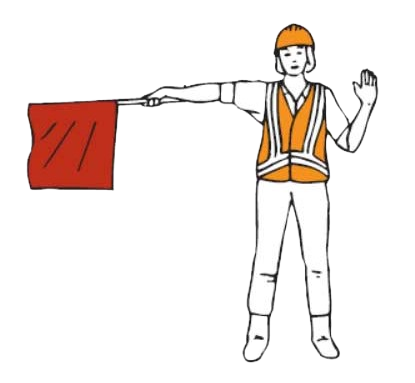
Driver arm extended downward out the left window with palm facing rearward signals an intention to slow down or stop completely.
This signal means:
A) Stop
B) Move to the left
C) Slow down
D) Proceed
7.
Always stop before you cross railroad tracks when:
A) you are not wearing safety belts.
B) you are following a bicyclist or motorcyclist across railroad tracks.
C) you don't have room on the other side to completely cross the tracks.
8.
When driving in fog, drivers should use:
A) low beam headlights.
B) parking lights.
C) high beam headlights.
9.
Don't be afraid to sound a sharp blast on your horn when:
A) when a child is about to run into the street.
B) another vehicle is in danger of hitting you.
C) All of the above.
10.
Fines for speeding in work zones:
A) can be reduced in court.
B) are tripled.
C) can be double normal fines.
11.
Regulatory signs are:
A) white.
B) yellow.
C) green.
12.
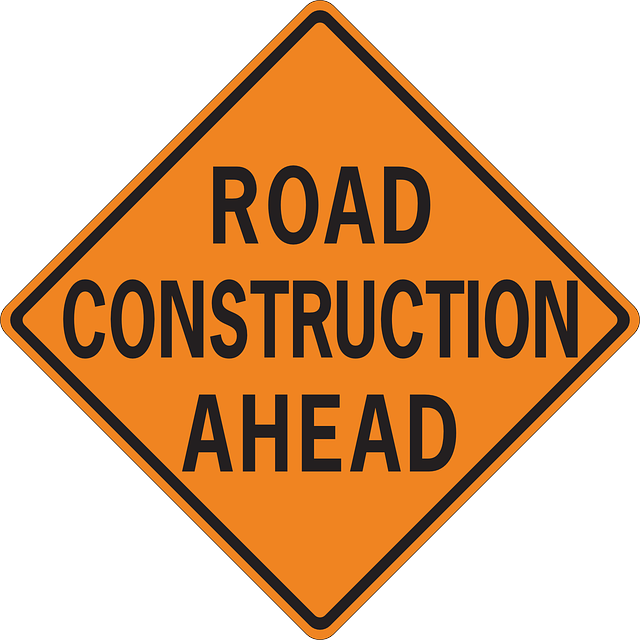
Notifies drivers of highway maintenance or construction ahead. Slow down, expect sudden stops or lane shifts, and remember traffic fines double in active work zones.
This road sign means:
A) There is a detour ahead
B) The highway ahead is being repaired
C) Crossroads ahead
13.
Braking distance is how far a vehicle travels:
A) before the driver hits the brakes.
B) while the driver is braking.
C) when pumping the brakes.
14.
A steep downhill grade is ahead. Trucks and heavy vehicles should downshift to a lower gear to prevent brake overheating.
This road sign means:
A) Merging traffic
B) Steep grade ahead
C) Intersection ahead
15.
A large vehicle is backing up to unload goods. You should:
A) enter one of the blind spots and wait.
B) try to pass close behind.
C) be patient and wait until the large vehicle has completed its backup maneuver.
16.
If a vehicle suddenly cuts in front of you creating a hazard, which of these actions should you take first?
A) Sound your horn and step on the brake firmly.
B) Swerve into the lane next to you.
C) Take your foot off the gas pedal.
17.
The road curves gradually to the right ahead. Reduce speed before entering the curve.
When they see this sign, drivers should:
A) increase their speed and keep well to the right.
B) slow down and keep well to the right.
C) slow down and keep well to the left.
18.
Come to a complete stop before the stop line, crosswalk, or intersection. Look left, right, and left again, and proceed only when it is safe and right-of-way is clear.
When you see this sign you should stop and:
A) check traffic in all direction before proceeding.
B) check for vehicles in the opposite direction, then proceed.
C) yield the right-of way to all vehicles coming from the left.
19.
Driving at night is more dangerous because:
A) the road is more slippery.
B) your reaction time is slower.
C) you cannot see as far ahead at night.
20.
Blind spots are:
A) Dangerous intersection where the maximum speed limit is 15 MPH or less.
B) At night, the darkest areas of a road, where emergency flashers should be used.
C) Areas to the side or rear of a vehicle that the driver cannot see with use of mirrors.
21.
__________ are blue with white letters and symbols.
A) Warning signs
B) Service signs
C) Destination signs (guide signs)
22.
Who is most at risk?
A) Drivers who are fatigued.
B) Drivers who are driving on long, boring roads.
C) All of the above.
23.
What should drivers do in case of a brake failure?
A) Shift to a lower gear.
B) Tie a white cloth on the left door handle.
C) Brake lightly.
24.
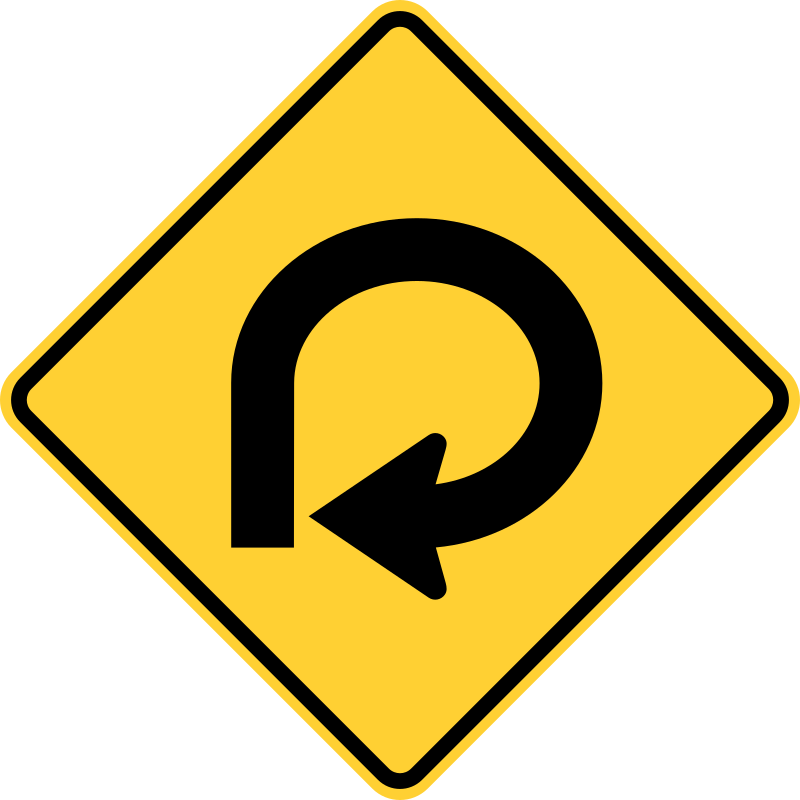
Warns of a circular exit or interchange ramp looping 270 degrees. Slow down significantly to the posted advisory speed.
This sign means:
A) Roundabout ahead.
B) 270 degree turn ahead.
C) Wrong way; Turn around immediately.
25.
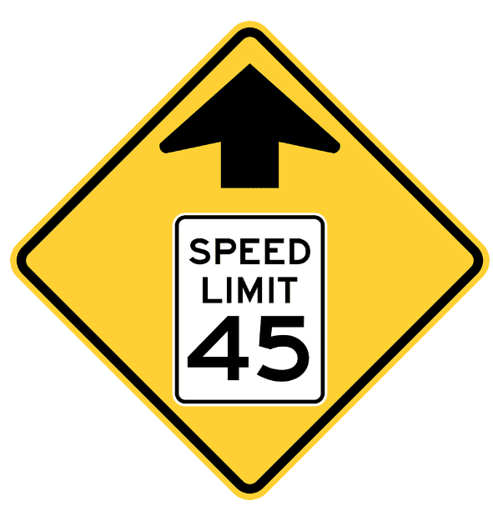
Recommended safe maximum driving speed in ideal conditions for an upcoming curve, ramp, or hazardous stretch of road.
This warning sign:
A) provides advance notice to upcoming speed limit change.
B) shows the current speed limit that all vehicles traveling in the direction of the arrow must not exceed.
C) indicates the suggested highest safe speed.
ANSWER KEY Check answers after completing the test.
1 B
2 C
3 A
4 B
5 B
6 A
7 C
8 A
9 C
10 C
11 A
12 B
13 B
14 B
15 C
16 C
17 C
18 A
19 C
20 C
21 B
22 C
23 A
24 B
25 A