DriveQuiz drivequiz.com

CT DMV PERMİT PRACTİCE TEST 11

Connecticut
Duration: 23 min
|
Questions: 25
Student Name:
Date:
Correct:      Incorrect:      Score:      
1.
The extra space in front of a large truck is needed for:
A) other drivers when merging onto a freeway.
B) the truck driver to stop the vehicle.
C) other drivers when they want to pass the truck.
2.
Road signs that point out scenic areas and parks are:
A) brown and white.
B) black and orange.
C) green and white.
3.
Which shape is a speed limit sign?
A) Round
B) Pentagon
C) Vertical rectangle
4.
Before a school bus stops to load passengers, the driver will usually flash:
A) yellow warning lights.
B) red warning lights.
C) red lights.
5.
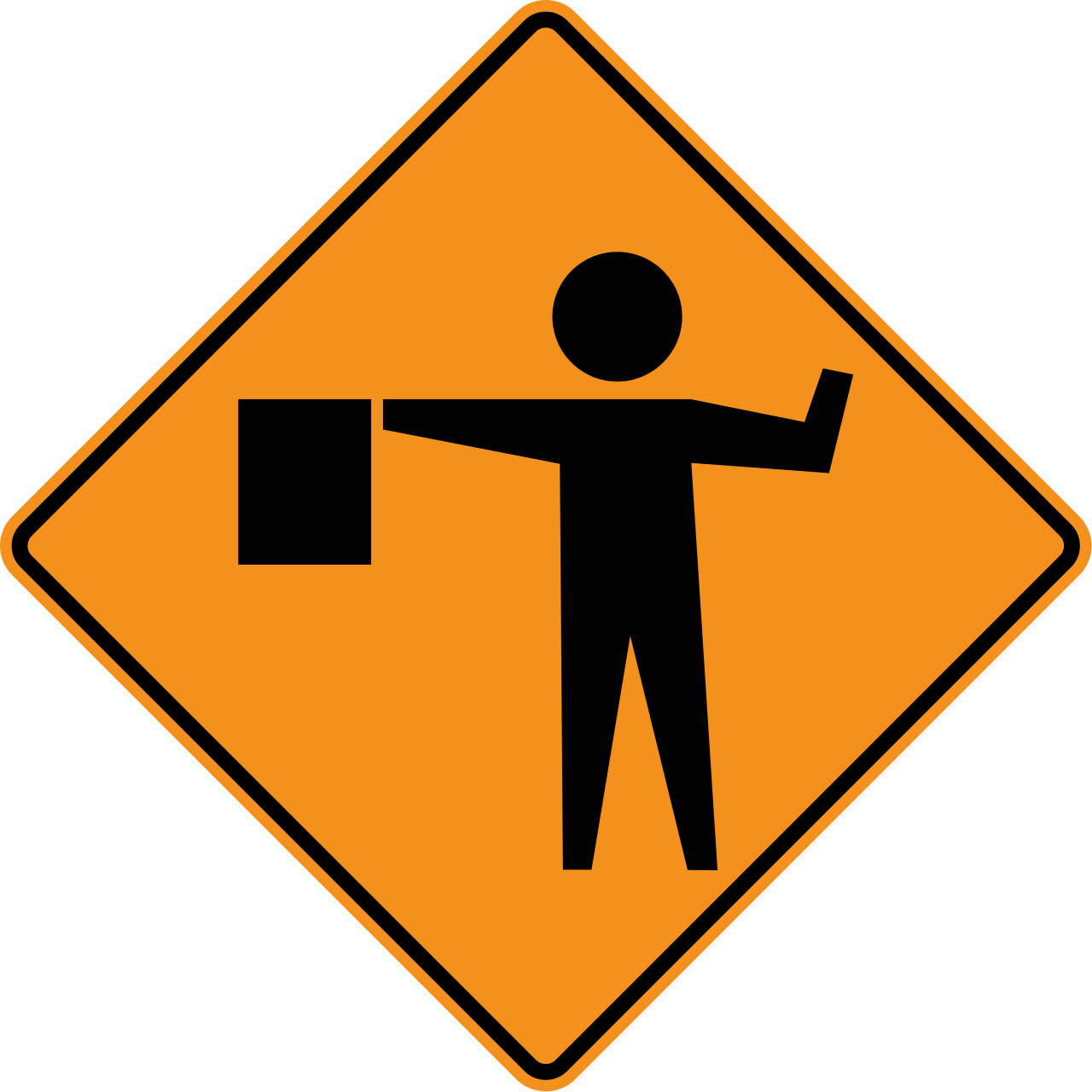
A human traffic control flagger is stationed ahead in a construction or utility work zone. Follow their hand and paddle signals strictly.
This road sign means:
A) Right lane closed
B) Do not block intersection
C) Flagger ahead
6.
This lane is exclusively designated for making U-turns. Through traffic and right turns are not allowed from this lane.
This sign means:
A) You may make a U-turn.
B) Hairpin corner ahead.
C) You must make a U-turn.
7.
Object marker used to mark obstacles or bridge abutments near the edge of the road to alert drivers at night.
When they see a yellow X signal, drivers should:
A) come to a complete stop at the marked stop line.
B) turn off the ignition.
C) prepare to leave the lane safely.
8.
You may not turn right (or left from a one-way onto a one-way) while the traffic signal is red. Wait for the green signal before turning.
This sign tells drivers:
A) they must wait for the traffic signal to turn green before turning right or left.
B) they may not turn right or left during the red light.
C) All of the above.
9.
When driving on gravel roads:
A) your tires do not have as much traction.
B) you should use cruise control to increase traction.
C) you should keep your eyes moving.
10.
If the vehicle you are driving starts to skid, you should:
A) brake lightly.
B) turn off the ignition.
C) stay off the brakes.
11.
Bicyclists must:
A) ride in a bicycle lane, if available.
B) remain to the right when they prepare for a left turn.
C) remain near the left edge of the road.
12.
If a pedestrian is illegal crossing in the middle of the street (not at a crosswalk) you:
A) do not have to stop for them.
B) should increase your speed, honk your horn and proceed.
C) must stop for them.
13.
BAC is expressed in:
A) percentage of alcohol to blood.
B) percentage of blood to alcohol.
C) ounces of alcohol in your blood.
14.
To enter a gap in traffic while driving on a highway:
A) check behind, then watch the vehicle ahead.
B) speed up and let vehicles make way.
C) watch only the vehicles behind the gap.
15.
You may drive faster than the posted speed limit:
A) when passing another vehicle, as long as it is safe to do so.
B) when your lane is empty.
C) Under no circumstances.
16.
Indicates a two-way left-turn lane in the center of the road. Must only be used to make left turns or U-turns (where permitted), not for regular travel or passing.
This sign means:
A) The center lane is shared for left turns.
B) Left turns in both directions of travel are not permitted.
C) Vehicles may only turn left.
17.
If weather requires you to have your lights on, you should use your:
A) low beams.
B) parking lights.
C) high beams.
18.
When is the pavement most slippery?
A) If it's been raining several hours.
B) When it has just begun to rain.
C) When it's been raining from at least one hour.
19.
If a tire suddenly goes flat while you are driving, you should:
A) pump the brake pedal 5-7 times until the vehicle stops.
B) slow down gradually do not apply the brake.
C) apply the brake firmly and stop.
20.
Alerts drivers to an upcoming crosswalk where pedestrians frequently cross. Slow down and yield right-of-way to anyone in or about to enter the roadway.
This sign means:
A) Railroad crossing
B) No Passing Zone
C) The road ends ahead
21.
When you hear the warning signal or see the warning lamps of an emergency vehicle, you must:
A) drive slowly until the emergency vehicle has passed.
B) stop as quickly as you can.
C) provide a clear path for the emergency vehicle and stop.
22.
The bridge ahead has narrower lanes or shoulders than the preceding road. Use caution when meeting oncoming vehicles.
This sign warns drivers of:
A) a reduction of lanes.
B) a dip in the road. Drivers should be ready to stop if the dip is filled with water.
C) a bridge ahead, wide enough to accommodate two lanes of traffic, but with very little clearance.
23.
When entering an expressway from the entrance ramp, you should:
A) go down to the bottom of the ramp and stop until it is safe to enter the expressway.
B) cross over to the traffic lane as soon as possible.
C) use the acceleration lane to blend into the traffic.
24.
When approaching someone using a white cane or guide dog, drivers should:
A) carefully drive around them.
B) stop until the person is well away from the roadway or path of travel.
C) honk their horn as they proceed past them.
25.
If traffic on the other side of an intersection is backed up and you cannot get completely through, you must:
A) enter the intersection and try to avoid blocking it.
B) enter the intersection and proceed with caution.
C) wait until traffic ahead is clear.
ANSWER KEY Check answers after completing the test.
1 B
2 A
3 C
4 A
5 C
6 C
7 C
8 C
9 A
10 C
11 A
12 C
13 A
14 A
15 C
16 A
17 A
18 B
19 B
20 A
21 C
22 C
23 C
24 B
25 C