DriveQuiz drivequiz.com

CA DMV PERMİT PRACTİCE TEST 10

California
Duration: 33 min
|
Questions: 36
Student Name:
Date:
Correct:      Incorrect:      Score:      
1.
When a traffic signal isn’t working at an intersection, drivers should:
A) stop before entering the intersection and let all other traffic go first.
B) come to a complete stop, then proceed when it is safe to do so.
C) slow down or stop, if necessary.
2.
You should not start across an intersection if you know you will block the intersection when the lights turn red:
A) unless you entered the intersection on a green light.
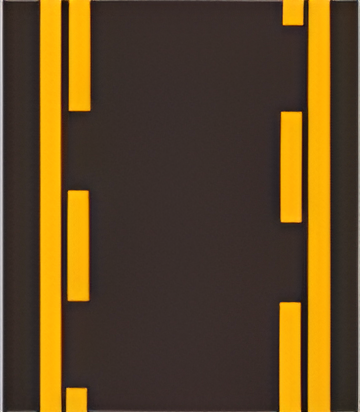
B) under any circumstance.
C) unless you entered the intersection on a yellow light.
3.
What do flashing red lights on a school bus indicate?
A) The bus is stopped to load or discharge passengers.
B) Traffic that approaches from either direction may proceed.
C) The bus is about to stop.
4.
What is the first thing you should do if your wheels move off the pavement?
A) Pull the steering wheel back.
B) Pull over to the right and sound your horn to warn the other drivers.
C) Ease your foot off the gas pedal and brake gently.
5.
Blocking an intersection during rush hour traffic is not permitted:
A) under any circumstances, even if your light is green.
B) unless you entered the intersection on a green light.
C) unless you have the right-of-way or a green light.
6.
A flashing yellow light means:
A) The light will soon change from green to red.
B) Drive with caution.
C) Yield the right-of-way to other traffic at the intersection.
7.
All children under age eight riding in your vehicle must use a child passenger restraint system unless:
A) a child passenger restraint system is not available.
B) they are 4 feet and 9 inches tall or taller and wear a safety belt.
C) they refuse to use the child passenger restraint system.
8.
An emergency vehicle that uses lights and a siren can be unpredictable. Why?
A) The driver can legally pass red lights.
B) Emergency vehicles must go faster than the posted speed limit when it is safe to do so.
C) Emergency vehicle drivers are not required to be careful.
9.
A red-painted curb means:
A) No stopping, standing, or parking.
B) Stop no longer than the time posted to load or unload passengers or freight.
C) Stop only long enough to pick up or drop off passengers.
10.
_________________ if your vehicle is equipped with air bags.
A) Always use your seat belts even
B) The use of seat belts is optional
C) Never use your seat belts
11.
What is the main reason night driving is more difficult than daytime driving?
A) The use of headlight is required by law.
B) Reduced visibility.
C) Driving within the range.
12.
A vehicle is stopped on the right shoulder of the road ahead with its hazard lights on. You should:
A) slow down and pass very carefully.
B) increase your speed and change lanes to the left.
C) drive onto the right shoulder to see what has happened.
13.
Unless prohibited by a sign, drivers may make a U-turn:
A) at an intersection on a one-way street.
B) in front of a school.
C) at an intersection with a green light.
14.
During an enforcement stop, you should:
A) Acknowledge the officer’s presence by stepping out of your vehicle.
B) move onto the center median and then stop.
C) turn on your right turn signal before moving your vehicle to the right shoulder of the road.
15.
The road makes a sharp 90-degree right turn ahead. Slow down considerably before entering the turn.
This sign warns drivers of:
A) a side road.
B) a sharp turn.
C) a cross road.
16.
When drivers see the ‘Wrong Way’ sign:
A) they are going the wrong way on an expressway exit ramp.
B) they must drive past this sign and reach the next intersection.
C) they must not leave the pavement except in an emergency.
17.
Separates lanes of traffic traveling in the SAME direction. Drivers may change lanes when it is safe and clear.
You want to turn left ahead. In the middle of the road there is a lane marked as shown. You must:
A) not enter this lane for any reason.
B) turn from your current traffic lane after signaling.
C) merge completely into this lane before you make your left turn.
18.
A person may legally ride in the back of a pickup truck when:
A) the sides of the pickup bed are at least 24 inches high.
B) the back of the pickup is covered with a camper shell.
C) in secured seats and using approved safety belts.
19.
Traffic lights are normally ____________ from the top to bottom or left to right.
A) red, green and yellow
B) green, yellow and red
C) red, yellow and green
20.
When driving at night you should:
A) make sure you can stop within the distance lighted by your headlights.
B) drive using only your parking lights.
C) use your low-beam headlights whenever possible in open country.
21.
What is the meaning of red traffic signs?
A) High emphasis warning.
B) Stop, do not enter or wrong way.
C) Regulatory.
22.
Gauging the speed of a motorcycle may be difficult because:
A) motorcycles take up less of your field of vision.
B) motorcycles often slow down by downshifting.
C) many motorcyclists do not activate the brake light.
23.
You are driving on a freeway posted for 65 MPH. The traffic is traveling at 70 MPH. You may legally drive:
A) Between 65 mph and 70 mph.
B) 70 mph or faster to keep up with the speed of traffic.
C) No faster than 65 mph.
24.
Come to a complete stop before the stop line, crosswalk, or intersection. Look left, right, and left again, and proceed only when it is safe and right-of-way is clear.
When you see this red and white sign, you should stop and:
A) Check traffic in all directions before proceeding.
B) Let all vehicles that arrive before or after you go first.
C) Check for vehicles in the direction you plan on going, then proceed.
25.
What is the meaning of orange traffic signs?
A) Yield.
B) Warning of school, pedestrian, and bicycling activity.
C) Construction and maintenance warning.
26.
A signalized intersection is ahead. Prepare to stop if the light turns yellow or red.
This yellow sign means:
A) There is a traffic signal ahead.
B) Controlled railroad crossing ahead.
C) Be prepared to stop if the light is flashing.
27.
What is the benefit of a space cushion around your vehicle?
A) It inflates to protect you from injury in case of a collision.
B) If another driver makes a mistake, you have time to react.
C) Other drivers can “cut” in front of you, improving traffic flow.
28.
The road ahead is divided by a median strip or physical barrier into two separate one-way roadways. Keep to the right of the divider.
This sign means:
A) The highway ahead is divided into two one-way roadways.
B) Roundabout ahead. Slow down.
C) The divided highway on which drivers are traveling ends ahead.
29.
If your gas pedal is stuck, you should:
A) hook your shoe under the pedal and see if you can free it. If not, shift into neutral and use the brake to slow your vehicle and get off the road.
B) ease your foot off the gas pedal and brake gently.
C) turn off the ignition if your vehicle has power steering.
30.
When driving on a multi-lane street with two-way traffic:
A) You should drive ahead of or behind the other vehicles.
B) It is safest to drive in the lane next to the center line.
C) Drive alongside the other vehicles so the drivers can see you.
31.
You should always turn on your emergency flashers when:
A) you are driving in heavy fog.
B) your vehicle has broken down on the roadway.
C) you stop near a curb painted red.
32.
You are entering a roadway from a private road, and you need to turn left. You have to yield to:
A) vehicles from the right.
B) vehicles from the left.
C) vehicles from both directions.
33.
In the following situations, drivers should increase their following interval:
A) When following vehicles that are required to come to a stop at railroad crossings.
B) When it is hard to see ahead because of bad weather.
C) All of the above.
34.
Warns that a one-way street or divided highway is ending, and you are entering a roadway with oncoming traffic in the opposing lane. Stay to the right.
This sign means:
A) one-way road widens into two lanes ahead.
B) vehicles on this road travel in two directions.
C) there is a divided highway ahead.
35.
To avoid becoming an aggressive driver, you should:
A) Adjust your schedule to drive during times with the most highway traffic.
B) Allow enough travel time to reach your destination on schedule.
C) Listen to heavy metal music.
36.
You are approaching a railroad crossing with no warning devices and are unable to see 400 feet down the tracks in one direction. The speed limit is:
A) 15 mph
B) 20 mph
C) 25 mph
ANSWER KEY Check answers after completing the test.
1 B
2 B
3 A
4 C
5 A
6 B
7 B
8 A
9 A
10 A
11 B
12 A
13 C
14 C
15 B
16 A
17 C
18 C
19 C
20 A
21 B
22 A
23 C
24 A
25 C
26 A
27 B
28 A
29 A
30 A
31 B
32 C
33 C
34 B
35 B
36 A