DriveQuiz drivequiz.com

AL DMV PERMİT PRACTİCE TEST 5

Alabama
Duration: 36 min
|
Questions: 40
Student Name:
Date:
Correct:      Incorrect:      Score:      
1.
A yellow arrow on a traffic signal means:
A) Drivers are not required to signal before turning from that lane.
B) Be prepared to stop and give the right-of-way to oncoming vehicles.
C) Increase your speed to make the turn before the light changes.
2.
If you encounter an aggressive driver you should:
A) show them how to drive defensively.
B) speed up.
C) get out of their way.
3.
When you approach an intersection with a flashing yellow light, you must:
A) come to a complete stop, then proceed.
B) slow and proceed with caution.
C) maintain your normal speed.
4.
When you pass another vehicle, before you return to the right lane, you must:
A) look at your interior rear-view mirror.
B) signal.
C) All of the above.
5.
When an aggressive driver confronts you, you should:
A) Try to move away safely.
B) Remain calm and relaxed.
C) All of the above.
6.
Before changing lanes or attempting to pass another vehicle, you should:
A) signal your intention before changing lanes.
B) check your blind spots and, mirrors.
C) All of the above.
7.
A steep downhill grade is ahead. Trucks and heavy vehicles should downshift to a lower gear to prevent brake overheating.
This sign indicates that:
A) there is a steep hill ahead.
B) trucks are merging from the right
C) there's a side road ahead
8.
If an intersection has crosswalk lines but no STOP line, where must you stop for a red light?
A) After the crosswalk.
B) Before the stop line.
C) Before the crosswalk.
9.
How can you prevent fatigue on a long trip?
A) Plan to drive long trips with a companion.
B) Get enough sleep.
C) All of the above.
10.
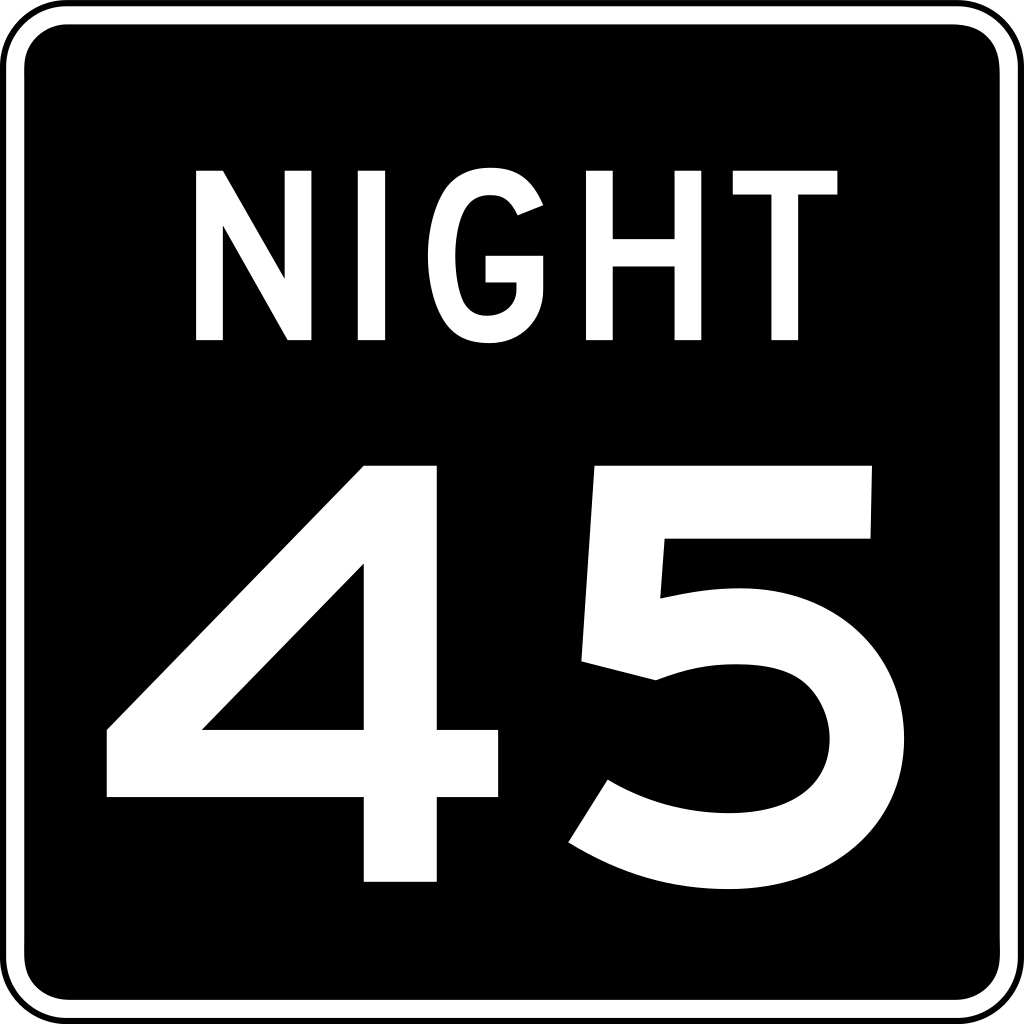
Indicates a lower maximum legal speed limit that applies only during nighttime hours for safety.
This sign means:
A) Take route 45 if you are driving at night.
B) The night-time speed limit is 45 MPH.
C) The minimum speed limit is 45 MPH.
11.
To keep the driver behind you at a safe distance you should:
A) keep a steady speed.
B) drive 5 MPH faster than the car behind.
C) drive 5 MPH slower than the car behind.
12.
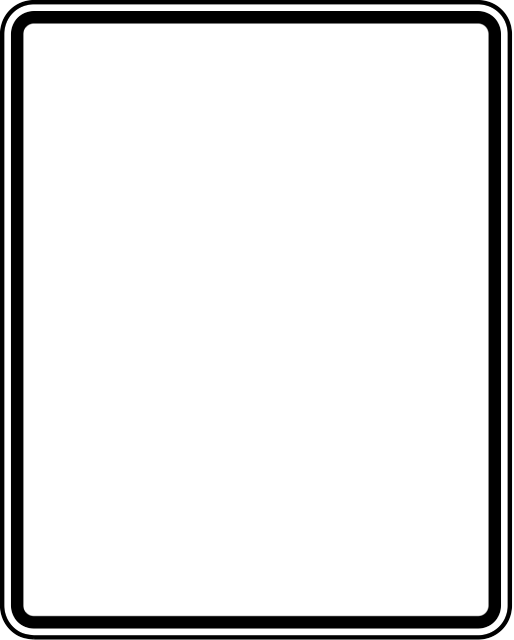
Standard rectangular shape used for general regulatory instructions and speed limits.
Vertical rectangles tell drivers:
A) the law.
B) what is not allowed.
C) the direction they should travel.
13.
Destination signs are ______ with ____ letters and symbols.
A) green; white
B) blue; white
C) white; black
14.
The roadway becomes particularly slippery during wet or rainy conditions. Reduce your speed, increase following distance, and avoid abrupt braking or steering.
This road sign means:
A) Slow down, slippery when wet
B) Detour ahead
C) Road curves ahead
15.
Proceed with caution. You do not need to stop unless pedestrians or hazards are present in the intersection.
What does a flashing yellow light mean?
A) The same thing as a stop sign.
B) Drivers may move forward with caution.
C) All of the above.
16.
To avoid hydroplaning you should:
A) keep your tires properly inflated.
B) slow down when roads are wet.
C) All of the above.
17.
It is legal to make a left turn at a red light after stopping if:
A) you are traveling on a two-way street and turning onto a two-way street.
B) you are traveling on a one-way street and turning onto another one-way street.
C) you yield to all other traffic at the intersection before proceeding.
18.
Warns of two consecutive curves in opposite directions (e.g., curves right then left). Slow down to maintain control.
This road sign means:
A) Road construction ahead
B) The road ahead curves right, then left
C) Steep grade ahead
19.
Signs that indicate a No Passing Zone tell drivers that:
A) it is not safe to pass.
B) passing is only permitted in daylight hours.
C) not passing other vehicles is prohibited.
20.
If you miss your exit on a freeway, do NOT:
A) continue on the freeway and find an alternative route.
B) turn around or back up.
C) get back on the freeway in the opposite direction and return to the exit you want.
21.
When a pedestrian is crossing a street guided carrying a white cane, drivers must:
A) help the pedestrian cross the street.
B) yield the right of way at corners only.
C) always yield the right-of-way.
22.
When entering an interstate highway, you should check for a gap in traffic in the nearest lane, adjust your speed to match the flow of traffic, signal and:
A) wait for the lane to be clear.
B) merge into that gap when safe.
C) slow down gradually.
23.
When following a motorcycle, drivers must remember that motorcycles can ____________ than other vehicles.
A) accelerate much faster
B) stop much more quickly
C) stop much more slowly
24.
To avoid panic stops, you should:
A) scan the road ahead for hazards.
B) drive with your window down.
C) pump your brakes to make sure they work.
25.
Alerts drivers to an upcoming crosswalk where pedestrians frequently cross. Slow down and yield right-of-way to anyone in or about to enter the roadway.
This sign is a warning that you are approaching:
A) a railroad crossing.
B) a crosswalk.
C) a dead-end street.
26.
A red traffic sign means?
A) Construction warning.
B) Railroad crossing.
C) Stop.
27.
To avoid hydroplaning, drivers should:
A) slow down.
B) apply the brakes firmly.
C) drive at a constant speed.
28.
When parking on a public road, drivers should:
A) move as far away from traffic as possible.
B) always park on the left side of the roadway.
C) All of the above.
29.
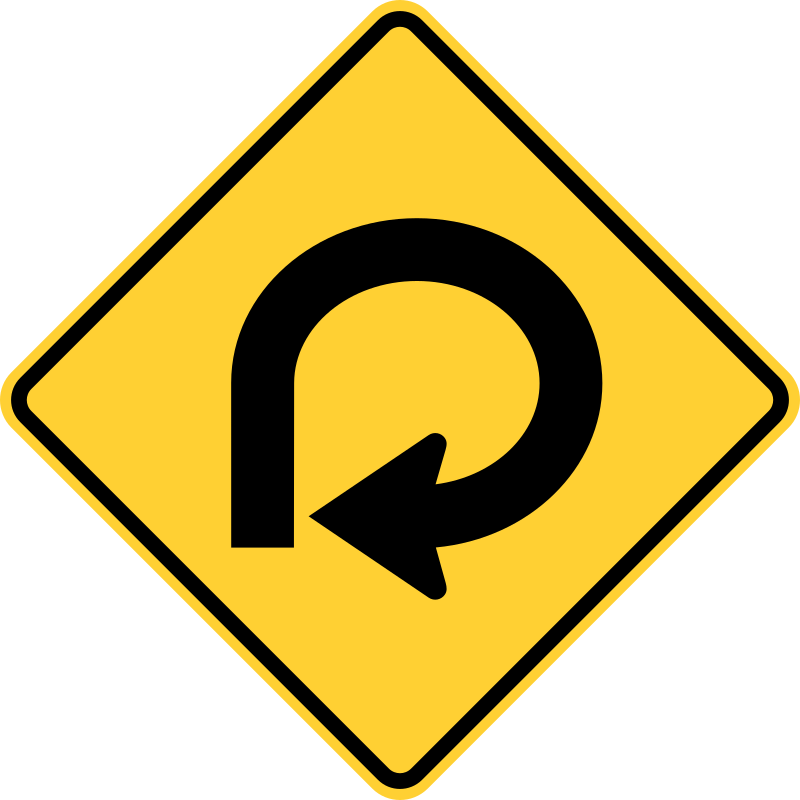
Warns of a circular exit or interchange ramp looping 270 degrees. Slow down significantly to the posted advisory speed.
This sign means:
A) Roundabout ahead.
B) 270 degree turn ahead.
C) Wrong way; Turn around immediately.
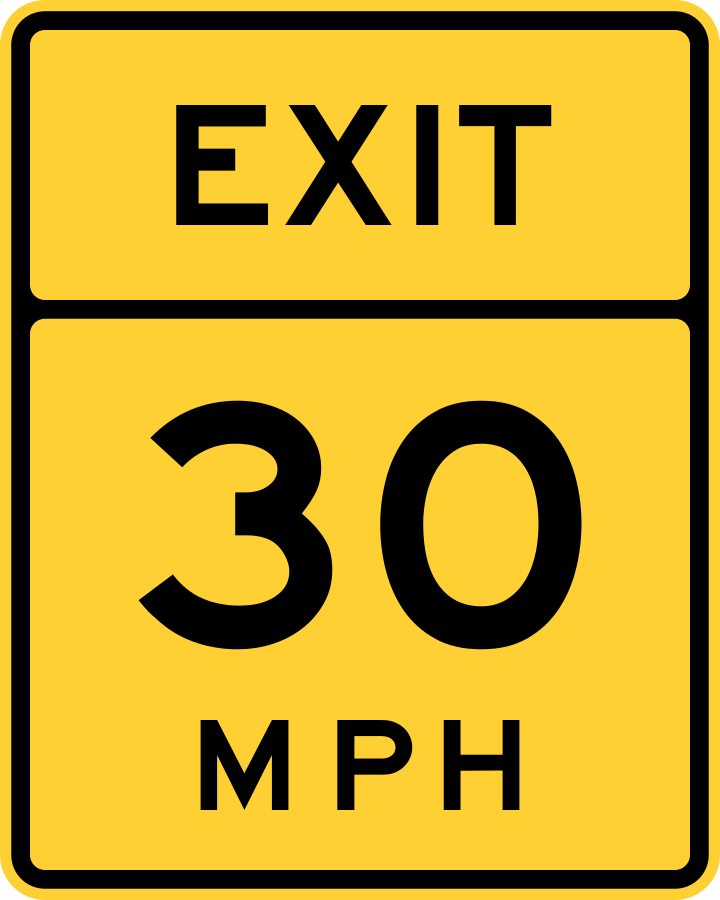
30.
Recommends a safe speed of 30 MPH for negotiating the freeway exit ramp deceleration lane.
The sign in the picture:
A) shows the highest speed drivers can travel at the exit of the intersection.
B) is used to advise motorists of the appropriate ramp speed at the highway exit point.
C) indicates the minimum ramp speed at the highway exit point.
31.
If cars approaching from opposite directions reach an intersection at the same time:
A) a car that moves straight must yield to cars that turn left.
B) a car that turns left must yield to cars that move straight or turn right.
C) a car that turns right must yield to cars that move straight or turn left.
32.
On slippery roads, drivers should:
A) leave more space in front of their vehicle.
B) increase their speed to avoid hydroplaning.
C) come to a complete stop.
33.
If there is no crosswalk and you see a pedestrian crossing your lane, you should:
A) stop and let the pedestrian finish crossing.
B) make sure the pedestrian can see you before proceeding.
C) honk your horn and proceed with caution.
34.
What should you do as you prepare to turn right at an intersection?
A) Honk your horn.
B) Yield to bicyclists coming from the opposite direction.
C) Signal your turn, check for bicyclists, and do not turn directly in front of a bicyclist.
35.
A steep downhill grade is ahead. Trucks and heavy vehicles should downshift to a lower gear to prevent brake overheating.
When they see this sign, drivers should:
A) be ready to brake sharply and stop.
B) be ready to shift to lower gear.
C) yield to trucks coming from the hill on the right.
36.
If an emergency vehicle with flashing lights is traveling in the area where you are driving, you must:
A) drive to the right side of the road and stop.
B) proceed slowly and let the vehicle pass.
C) keep driving in your lane.
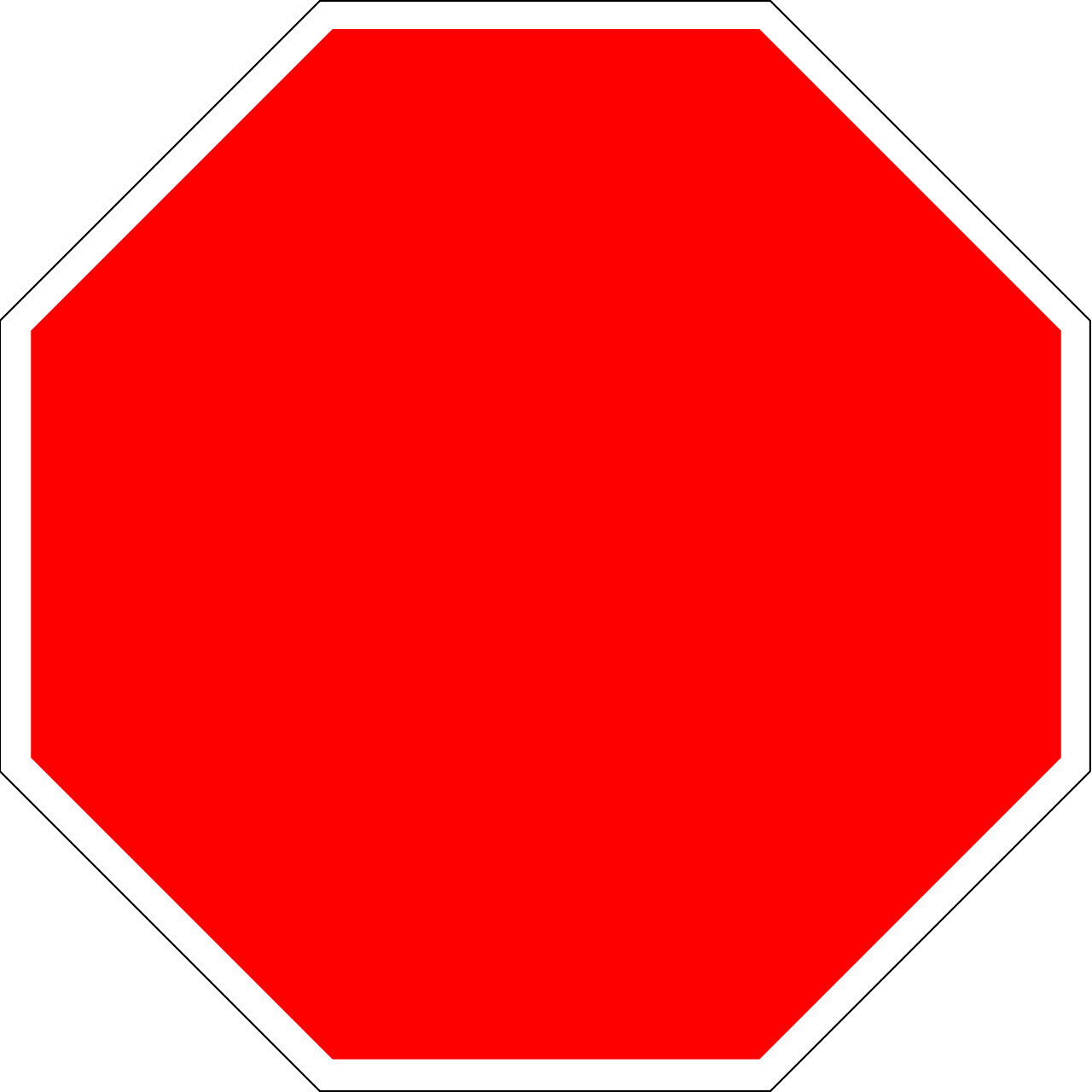
37.
The 8-sided octagon shape always indicates a mandatory STOP in US traffic regulation.
This road sign means:
A) Be prepared to stop if necessary
B) Slow down and be prepared to stop
C) Stop and yield to pedestrians and cross traffic
38.
If a pedestrian is in the middle of the street when your signal light changes to green, you should:
A) proceed unless the pedestrian is in your lane.
B) proceed because you have the right-of-way.
C) wait until the pedestrian crosses the street before proceeding.
39.
Roads are most slippery:
A) just before it rains.
B) when it stops raining.
C) when it first starts to rain.
40.
A crosswalk is:
A) a special type of 4-way intersection.
B) an area designated for blind persons.
C) the area where pedestrians may cross the road.
ANSWER KEY Check answers after completing the test.
1 B
2 C
3 B
4 C
5 C
6 C
7 A
8 C
9 C
10 B
11 A
12 A
13 A
14 A
15 B
16 C
17 B
18 B
19 A
20 B
21 C
22 B
23 B
24 A
25 A
26 C
27 A
28 A
29 B
30 B
31 B
32 A
33 A
34 C
35 B
36 A
37 C
38 C
39 C
40 C