DriveQuiz drivequiz.com

AL DMV PERMİT PRACTİCE TEST 4

Alabama
Duration: 36 min
|
Questions: 40
Student Name:
Date:
Correct:      Incorrect:      Score:      
1.

A signalized intersection is ahead. Prepare to stop if the light turns yellow or red.
This road sign means:
A) Traffic signal ahead
B) Stop
C) Yield the right-of-way
2.
Designated school crosswalk location. You must yield to all schoolchildren and pedestrians in the crossing.
When you approach this sign, you must:
A) stop if necessary.
B) watch for workers crossing the road.
C) None of the above.
3.
BAC is expressed in:
A) percentage of alcohol to blood.
B) percentage of blood to alcohol.
C) ounces of alcohol in your blood.
4.
You reach an intersection that is not controlled at the same time as a driver on your right, and both of you prepare to go straight. Who has the right-of-way?
A) You.
B) No one.
C) The other driver.
5.
In 55 MPH traffic you are least likely to be involved in a collision if you:
A) stay within that speed range.
B) drive a few MPH faster than most.
C) drive a few MPH slower than most.
6.
If the roadway is wet, you should:
A) increase your speed.
B) reduce your speed.
C) maintain the same speed.
7.
You are driving in the far right lane of a four lane freeway and notice broken white lines on the left side of your lane. You are driving:
A) on the entrance ramp.
B) in a special lane for slow moving vehicles.
C) in an exit lane.
8.
Parking is not allowed:
A) on the road side of a parked vehicle.
B) in a tunnel.
C) All of the above.
9.
Prohibits drivers from making a 180-degree turn to travel in the opposite direction at this intersection or stretch of road.
This road sign means:
A) Do not enter
B) No U-Turn
C) Roundabout ahead
10.
The octagonal (8-sided) shape is exclusively reserved for STOP signs so drivers can identify it immediately even in poor visibility or from behind.
The octagonal shape is used:
A) to warn drivers of existing or possible hazards on roadways.
B) for stop signs and railroad advance warning signs.
C) exclusively for stop signs.
11.
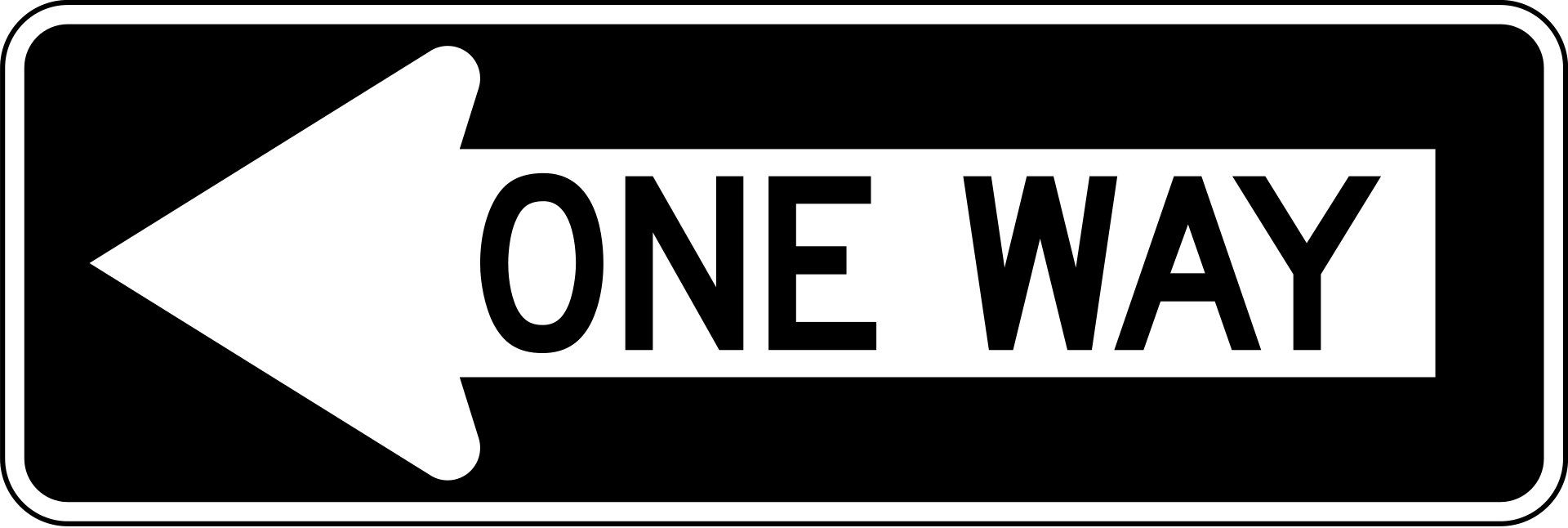
Traffic flows only in the direction indicated by the arrow. Never drive in the opposing direction.
This road sign means:
A) Two way Traffic
B) Traffic must move only in the direction of the arrow
C) Minimum Speed
12.
When driving in fog, you should never use your high beams because:
A) the light will reflect back into your eyes.
B) vehicles behind you may follow too closely.
C) oncoming vehicles might not see you.
13.
When changing lanes, drivers should never:
A) check to see if other drivers are moving into the same lane.
B) change lanes abruptly.
C) glance over their shoulder to check for blind spots.
14.
Flashing Upraised Hand signal indicates pedestrians should finish crossing if already in the crosswalk, but not start crossing.
What does the flashing signal in the picture indicate?
A) The same thing as a stop sign.
B) Pedestrians should finish crossing the street if started.
C) Pedestrians should start crossing the street.
15.
Warns of two consecutive curves in opposite directions (e.g., curves right then left). Slow down to maintain control.
This road sign means the road you're driving on:
A) turns sharply to the left and then right
B) turns to the right and then the left
C) turns only to the left
16.
Warns that a one-way street or divided highway is ending, and you are entering a roadway with oncoming traffic in the opposing lane. Stay to the right.
This road sign means:
A) Divided highway ahead
B) Two-way traffic ahead
C) Four-lane traffic ahead
17.
Your BAC depends on:
A) how much alcohol you drink.
B) how much time passes between drinks.
C) All of the above.
18.
If weather requires you to have your lights on, you should use your:
A) low beams.
B) parking lights.
C) high beams.
19.
The roadway becomes particularly slippery during wet or rainy conditions. Reduce your speed, increase following distance, and avoid abrupt braking or steering.
This road sign means:
A) Winding road
B) Side road ahead
C) Slippery when wet
20.
There is no crosswalk and a pedestrian is crossing your lane ahead. You should:
A) stop and let the pedestrian finish crossing the street.
B) slow down as you pass the pedestrian.
C) make eye contact and then pass the pedestrian.
21.
A flashing yellow light means:
A) The light will soon change from green to red.
B) Drive with caution.
C) Yield the right-of-way to other traffic at the intersection.
22.
When you hear the warning signal or see the warning lamps of an emergency vehicle, you must:
A) drive slowly until the emergency vehicle has passed.
B) stop as quickly as you can.
C) provide a clear path for the emergency vehicle and stop.
23.
Treat the flashing red signal exactly like a STOP sign: come to a complete stop, yield to cross traffic and pedestrians, then proceed when safe.
What does a flashing red light mean?
A) NO TURN ON RED.
B) The same thing as a stop sign.
C) Drivers may move forward with caution.
24.
What should you do in case of a brake failure?
A) Pull off the road into an open space, if available.
B) Apply the parking brake slowly.
C) All of the above.
25.
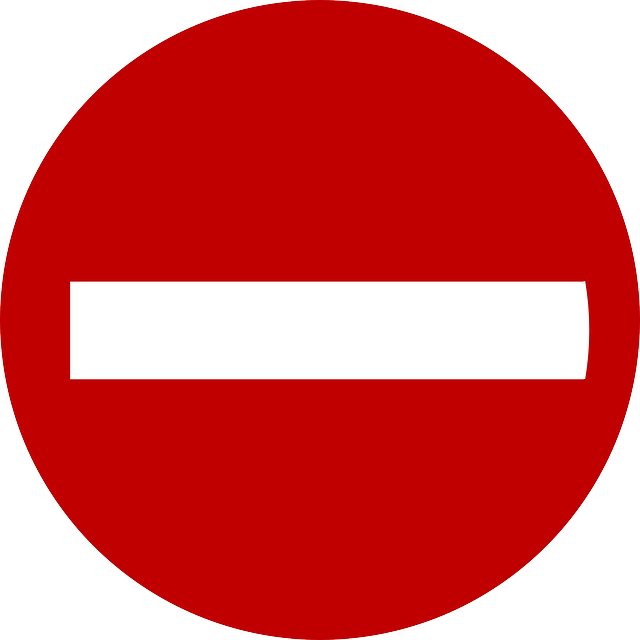
Indicates you have entered an exit ramp or one-way street in the incorrect direction. Stop immediately and safely turn around.
This road sign means:
A) No left turn
B) Lane ends
C) Do not enter
26.
Warns drivers that two separate lanes moving in the same direction are merging into one. Drivers in the right lane must adjust speed and merge smoothly with existing traffic.
This sign means:
A) A road crosses the main highway ahead.
B) The divided highway on which drivers are traveling ends ahead.
C) Drivers are coming to a point where another traffic lane joins the one they are on.
27.
A steep downhill grade is ahead. Trucks and heavy vehicles should downshift to a lower gear to prevent brake overheating.
This road sign means:
A) Trucks have the right-of-way
B) Hill
C) Trucks merging from the right
28.
A steep downhill grade is ahead. Trucks and heavy vehicles should downshift to a lower gear to prevent brake overheating.
This sign warns of a ________ ahead.
A) hill
B) no passing zone
C) soft shoulder
29.
If you become sleepy while driving you should:
A) get some rest or change drivers.
B) drink coffee.
C) open a window.
30.
When a hazard is seen ahead, reaction distance:
A) is the sum of perception distance and braking distance.
B) equals total stopping distance minus perception distance.
C) is how far a vehicle will continue to travel, in ideal conditions, before the driver hits the brakes.
31.
Aggressive driving behaviors can include:
A) excessive following distance.
B) erratic lane changes.
C) a tendency to drive slow.
32.
To maintain an adequate 'space cushion' to the front, drivers need to:
A) keep a safe distance between their car and the vehicle in front.
B) The other answers are both correct.
C) control their speed to suit the road and traffic conditions.
33.
Warns of two consecutive curves in opposite directions (e.g., curves right then left). Slow down to maintain control.
When you see this sign you should:
A) increase your speed and try to pass other vehicles.
B) slow your speed and be prepared to stop.
C) slow your speed and do not pass other vehicles.
34.
Having a drivers license is:
A) a requirement.
B) a privilege.
C) a constitutional right.
35.
An emergency vehicle that uses lights and a siren can be unpredictable. Why?
A) The driver can legally pass red lights.
B) Emergency vehicles must go faster than the posted speed limit when it is safe to do so.
C) Emergency vehicle drivers are not required to be careful.
36.
When you are facing a green light and there are pedestrians in the intersection:
A) you must signal your intention to cross the intersection at least 100 feet before yielding the right-of-way.
B) you must yield the right-of-way to pedestrians.
C) you have the right-of-way over pedestrians.
37.
Right turns are strictly prohibited at this intersection under all circumstances.
This sign tells drivers that:
A) they must make a left turn at the intersection.
B) they must not make a right turn.
C) U-turns are not allowed.
38.
You are approaching an intersection with a traffic signal indicating a steady yellow light. If you have not already entered the intersection, you should:
A) speed up to cross the intersection before the light turns red.
B) slow down and proceed with caution through the intersection.
C) stop before entering the intersection if it is safe to do so.
39.
As the percentage of alcohol in your blood (BAC) increases, you become:
A) more reactive.
B) more intoxicated.
C) more sober.
40.
A side road enters the highway from the right or left. Watch for traffic turning onto or crossing your lane.
This road sign means:
A) Side road
B) Low clearance
C) Yield the right-of-way
ANSWER KEY Check answers after completing the test.
1 A
2 A
3 A
4 C
5 A
6 B
7 C
8 B
9 C
10 A
11 B
12 A
13 B
14 B
15 B
16 B
17 C
18 A
19 C
20 A
21 B
22 C
23 B
24 C
25 C
26 C
27 B
28 A
29 A
30 C
31 B
32 B
33 C
34 B
35 A
36 B
37 C
38 A
39 B
40 C