DriveQuiz drivequiz.com

AL DMV PERMİT PRACTİCE TEST 2

Alabama
Duration: 36 min
|
Questions: 40
Student Name:
Date:
Correct:      Incorrect:      Score:      
1.
To avoid becoming an aggressive driver, you should:
A) drive above the posted speed limit.
B) tailgate the driver in front of you.
C) relax and concentrate on driving.
2.
All approaching traffic must stop completely. The first vehicle to reach the intersection and stop has right-of-way; if two vehicles arrive simultaneously, the vehicle on the right goes first.
A four-way stop sign means:
A) traffic from all four directions must stop.
B) if two vehicles reach the intersection at the same time, the driver on the left yields to the driver on the right.
C) All of the above.
3.
Directions given by traffic officers ___________ signs, signals or pavement markings.
A) take precedence over
B) are less important than
C) must obey
4.
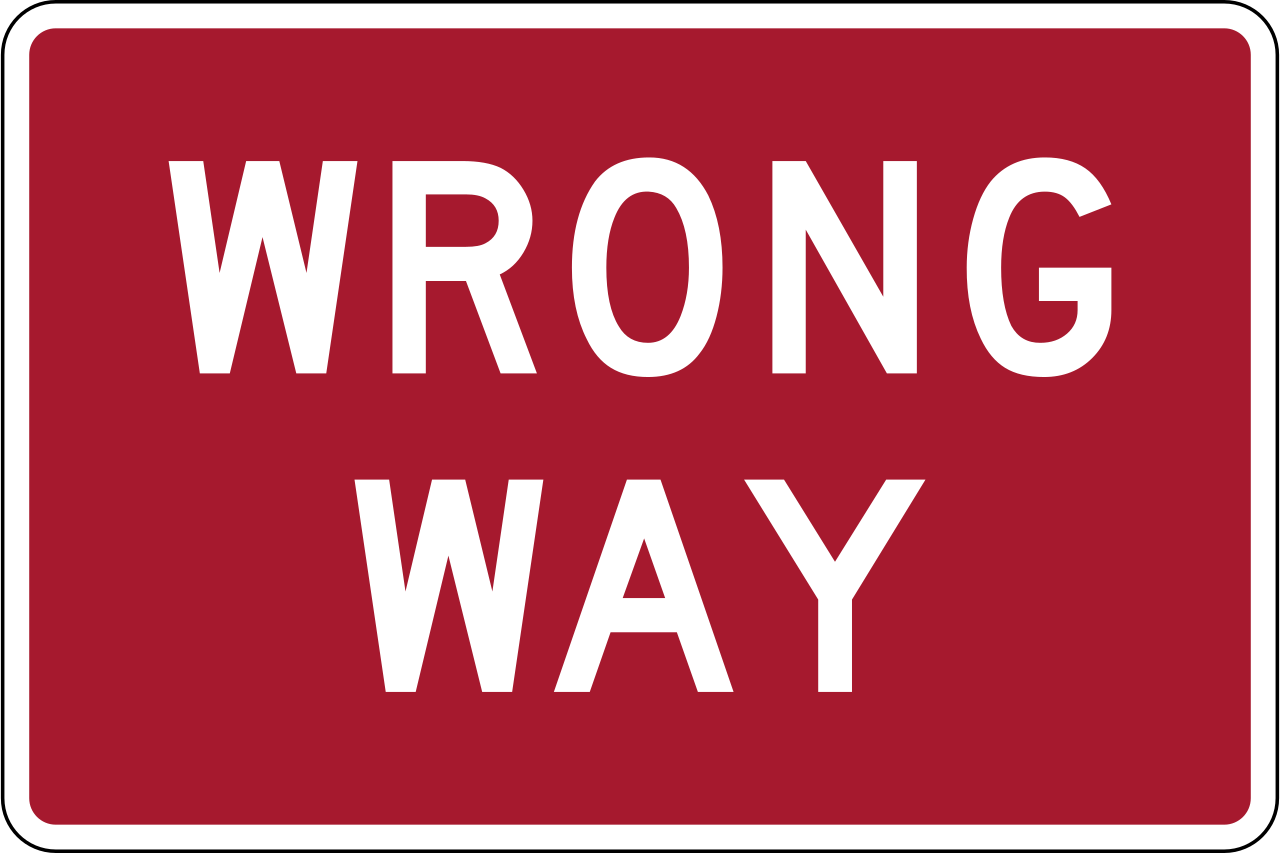
Alerts drivers to a major crossroads intersection ahead. Watch for vehicles entering or crossing the roadway.
This road sign means:
A) Drivers may proceed if the way is clear
B) Drivers are about to enter a one way street the wrong way
C) U-turns are prohibited
5.
What is the main reason night driving is more difficult than daytime driving?
A) The use of headlight is required by law.
B) Reduced visibility.
C) Driving within the range.
6.
Where must you position your vehicle when you prepare to make a left turn from a two-way roadway into a one-way roadway?
A) As far to the right as possible.
B) On the right curb.
C) As close as possible to the center line.
7.
Before entering an intersection, drivers should look:
A) left, right, then left again.
B) right, left, then right again.
C) left.
8.
On average, how long does it take your body to remove the alcohol contained in 5 ounces of wine?
A) one hour.
B) 30 minutes.
C) 3 hours.
9.
Proceed with caution. You do not need to stop unless pedestrians or hazards are present in the intersection.
A flashing yellow light:
A) warns drivers to proceed with caution.
B) is used at dangerous intersections.
C) All of the above.
10.
Indicates an upcoming bicycle crossing or shared road zone. Always leave at least 3 feet of clearance when passing cyclists.
This sign means:
A) Bicycles should yield to vehicles ahead.
B) Warning: a bikeway crosses the roadway ahead.
C) The lane ahead is reserved for bicycles.
11.
Which shape is a railroad advance warning sign?
A) Crossbuck
B) Round
C) Pentagon
12.
In the following situations, drivers should increase their following interval:
A) When following vehicles that are required to come to a stop at railroad crossings.
B) When it is hard to see ahead because of bad weather.
C) All of the above.
13.
The roadway becomes particularly slippery during wet or rainy conditions. Reduce your speed, increase following distance, and avoid abrupt braking or steering.
This road sign means:
A) Watch for vehicles entering from the side
B) When pavement is wet, reduce your speed
C) Winding road ahead
14.
Drivers should adjust their rearview and side mirrors:
A) whenever they need to use them.
B) before they get into the car.
C) before they start driving.
15.
The following symptoms are associated with drowsy driving:
A) You continue to yawn.
B) You don’t remember driving the last few miles.
C) All of the above.
16.
A thumping sound can be a warning:
A) that a tire blowout is about to occur.
B) of a steering failure.
C) of a brake failure.
17.
What is the most important rule to remember in any emergency?
A) Do not panic.
B) Run away.
C) Call the police.
18.
When changing lanes:
A) slow down and check your left mirror.
B) look over your shoulder to make sure no one is in the blind spot.
C) change lane before checking the inside rearview mirror.
19.
When a school bus is picking up or dropping off children, you must:
A) slow down and pass the bus with caution.
B) stop if you are driving in the same direction.
C) stop regardless of your direction of travel.
20.
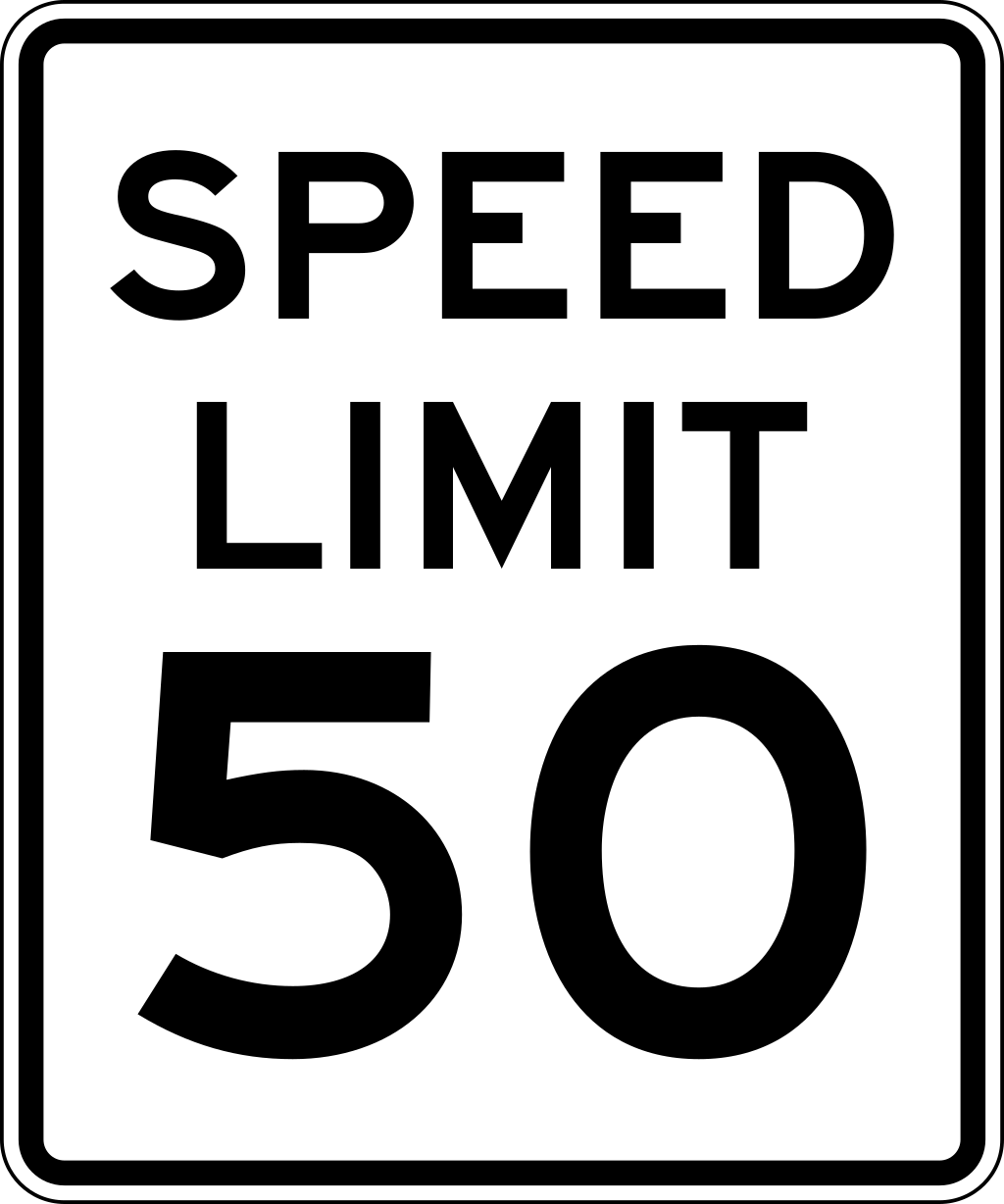
The maximum legal speed under ideal driving conditions is 50 miles per hour. Always adjust speed downward for adverse weather, traffic, or road conditions.
This road sign means:
A) You must travel at the speed indicated
B) The maximum speed limit under ideal conditions
C) None of the above
21.
At intersections marked with stop lines, drivers must:
A) come to a complete stop.
B) slow down and enter the intersection.
C) signal other vehicles to stop.
22.
Two motorcyclists are allowed to:
A) ride side-by-side in a single lane.
B) share the lane with another vehicle.
C) race on empty roads.
23.
After you stop for a school bus, you must:
A) turn off your engine.
B) pass the bus before the red lights stop flashing.
C) None of the above.
24.
It is unlawful­ to:
A) pass within 250 feet of any intersection.
B) exceed the posted speed limit when passing.
C) pass within 150 feet of any railroad crossing.
25.
When turning, drivers should:
A) always move to the right lane.
B) check traffic in all directions.
C) increase their speed to improve stability.
26.
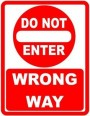
You are driving against the legal flow of traffic on a one-way street or freeway ramp. Immediately pull over, stop safely, and turn around when clear.
When drivers see this road sign:
A) they must come to a complete stop and call the police.
B) they must not drive past this sign.
C) they must turn around immediately.
27.
Where must a pedestrian walk when there are no sidewalks?
A) On the side of the road, in the same direction of traffic.
B) In the middle of the road, facing oncoming traffic.
C) On the side of the road, facing the traffic.
28.
Vehicles stopped behind a school bus when the red lights are flashing must remain stopped until:
A) the flashing lights turn green.
B) the stop arm is retracted and the bus begins moving.
C) all students are off the bus.
29.
To avoid becoming an aggressive driver, you should:
A) Adjust your schedule to drive during times with the most highway traffic.
B) Allow enough travel time to reach your destination on schedule.
C) Listen to heavy metal music.
30.
The maximum legal speed under ideal driving conditions is 50 miles per hour. Always adjust speed downward for adverse weather, traffic, or road conditions.
This sign indicates the _______________ vehicles can safely travel in this area.
A) suggested speed
B) maximum speed
C) minimum speed
31.
Your license can be suspended if you are under 21 and drive with a BAC of:
A) 0.15% or more.
B) any amount.
C) 0.08% or more.
32.
Alerts drivers to an upcoming crosswalk where pedestrians frequently cross. Slow down and yield right-of-way to anyone in or about to enter the roadway.
What should drivers do when they see this road sign?
A) come to a complete stop and wait for a train to cross.
B) slow down, look for a train, and be prepared to stop.
C) look for a human flagger.
33.
Object marker used to mark obstacles or bridge abutments near the edge of the road to alert drivers at night.
When they see a yellow X signal, drivers should:
A) come to a complete stop at the marked stop line.
B) turn off the ignition.
C) prepare to leave the lane safely.
34.
If you drive slower than the flow of traffic, you will most likely:
A) improve traffic flow.
B) help create a safe driving environment.
C) interfere with traffic and receive a ticket.
35.
Drivers can not pass a vehicle on the left if:
A) they approach the top of a hill on a two-way road and can not see over it.
B) they can not safely return to the right lane before they reach a solid yellow center line for the right lane.
C) All of the above.
36.
On roadways, bicyclists are considered:
A) a distraction.
B) defensive drivers.
C) vehicles.
37.
Where there is no bicycle lane, where on the road must a bicyclist ride?
A) on the left shoulder of the road.
B) near the right curb or edge of the road.
C) near the left edge of the road.
38.
Drivers may cross a double yellow line to pass another vehicle if:
A) the yellow line next to the other side of the road is broken.
B) the vehicle ahead moves to the right to let them pass.
C) the yellow line next to their side of the road is broken.
39.
A flashing red light at an intersection means:
A) Stop and yield the right of way.
B) You have the right-of-way.
C) Stop and wait for the green light
40.
The basic color for traffic control devices used in construction zones is:
A) red.
B) orange.
C) yellow.
ANSWER KEY Check answers after completing the test.
1 C
2 C
3 A
4 B
5 B
6 C
7 A
8 A
9 C
10 B
11 B
12 C
13 B
14 C
15 C
16 A
17 A
18 B
19 C
20 B
21 A
22 A
23 C
24 B
25 B
26 C
27 C
28 B
29 B
30 B
31 B
32 B
33 C
34 C
35 C
36 C
37 B
38 C
39 A
40 B